



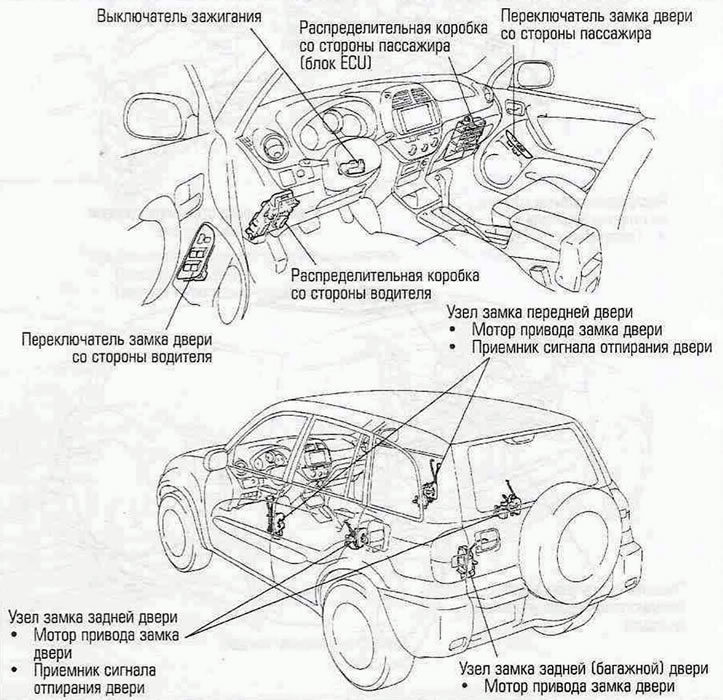
Figure 23.1. Typical door locking system.
2. The actuators are bidirectional solenoids. The switches have two operating positions: Lock/Unlock (locked/unlocked). When the switch is turned on, the latter switches the ground of the control unit, which sends a control signal to the actuators to lock/unlock the lock. Depending on the position of the switch, the control unit changes the polarity of the voltage supplied to the solenoids, and the two-wire circuit is used as a circuit with changing polarity.
3. Some models are equipped with anti-theft systems that control the electric drives of the locks. If you have any difficulties with diagnostics, please contact your dealership or a specialized workshop.
4. Always check the chain guard first. Some models are equipped with circuit breakers in addition to fuses.
5. With the engine off, check the operation of the Lock/Unlock switches. You should hear the characteristic clicking sounds of the solenoids.
6. Check the closure of the switch contacts; if any difficulties arise, contact your dealership or a specialized workshop.
7. Check the wiring between the switch, control unit and solenoids. Repair the damaged section of the chain.
8. Check the condition of the ground contacts of the control unit and switches.
9. If all drives work except one, remove the trim panel of the corresponding door (see chapter 11) and check the voltage supply to the solenoid by operating the switch. There should be voltage on one of the wires in the Lock switch position, and on the other in the Unlock position.
10. If voltage is present but the solenoid does not operate, replace it.
11. If there is no voltage, check the circuit for an open or short circuit between the solenoid and the control unit.
Note: Typically, an open or short circuit in the wiring occurs where it passes from the body to the door (constant opening/closing of doors leads to premature wear of the wiring and, as a result, its damage).
Remote control system for electric locks.
12. The system consists of a door locking system remote control transmitter (remote control) that sends coded infrared signals to a receiver, which then activates the door locking system. This remote control can also be used to activate the anti-theft alarm system, and it also has an "emergency" button that turns on the hazard warning lights and sound signal in the event of an accident.
13. If the red LED light on the remote control does not light when the button is pressed, replace the batteries. Over time, batteries age and the transmitter's "range" decreases.
14. Using a thin coin or a small screwdriver, separate the halves of the remote control housing from each other and remove the old batteries (see Figure 23.14).
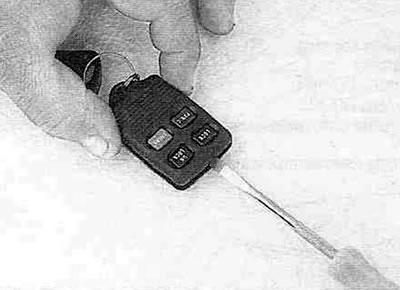
Figure 23.14. Using a thin coin or a small screwdriver, separate the halves of the remote control housing from each other.
15. Insert new batteries of the same type as the old ones (original), observing the polarity indicated on the body (see Figure 23.15).
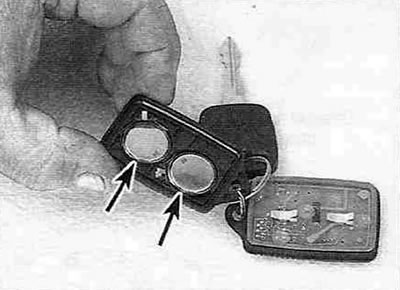
Figure 23.15. Replace the lithium batteries.
16. Place the case halves together and snap them into place.