Share information:
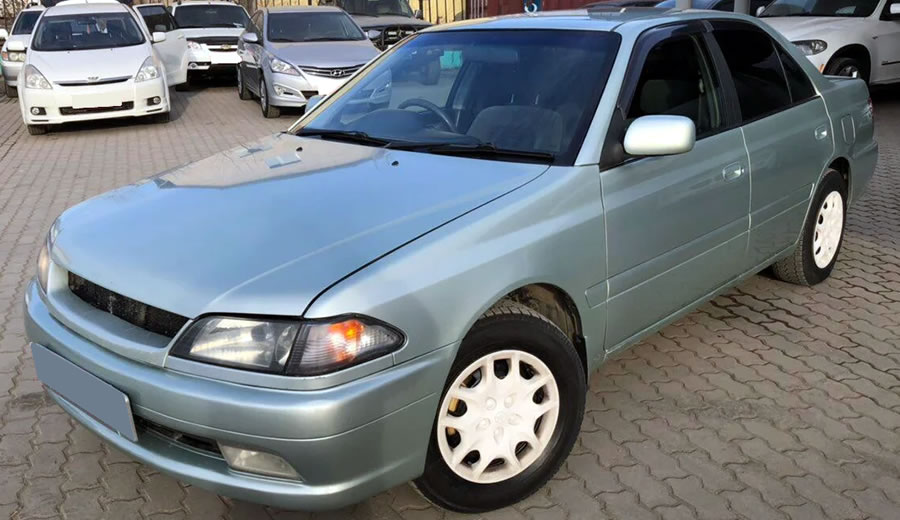
Toyota Carina - compact car (C-segment according to European classification), produced from 1970 to 2001 by the largest Japanese automobile corporation "Toyota Motor". "Carina" was presented to the public at the seventeenth Tokyo Motor Show in September 1970. The car was created as a younger brother "Corona" to attract younger buyers and had a sportier design. The name "Karina" comes from the constellation Keel (in Latin Carina) in the southern hemisphere of the sky. In 2000, this car replaced the "Allion" in Japan (see description below), and in Europe he was replaced by "Avensis".
The main competitors and classmates of Toyota Carina were cars Ford Focus, Chevrolet Cruze, Honda Civic, Hyundai Elantra, Kia Ceed, Opel Astra, Peugeot 301, Skoda Octavia, Seat Leon, Subaru Impreza, Suzuki SX4, Mitsubishi Lancer, Mazda 3, Nissan Almera, Renault Fluence and Volkswagen Golf.
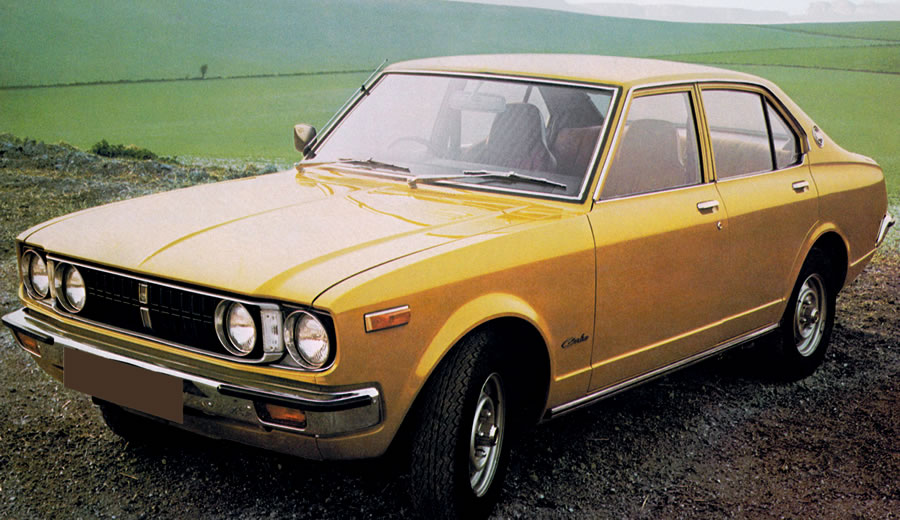
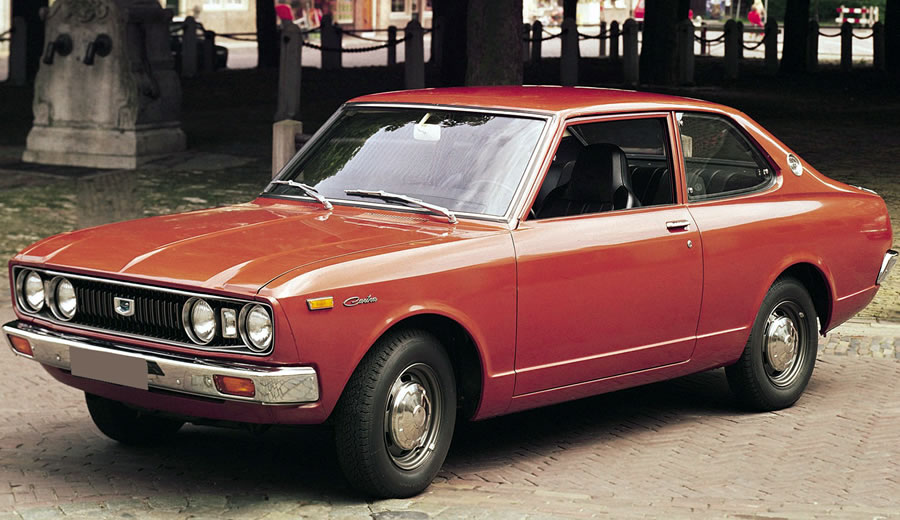
First generation (A10/A30, 1970-1977)
The first generation of the Carina appeared in Japan in December 1970 and in Europe in October 1971. This car stood between the smaller "Corolla" and more "Corona". Based on the platform of the sports car "Celica", which also began to be produced in December 1970. Features were folding seats with built-in headrests, radio, clock, reversing lights and brake booster. The body was a two- and four-door sedan, a five-door station wagon and a two-door coupe with a folding hardtop. The length of the car was 4135-4200 mm, width 1570 mm, height 1395 mm and the curb weight was 960 kg.
Only four-cylinder petrol engines with the following parameters were used:
- 1.4 liters (1407 cm³, T) with a capacity of 86 hp.
- 1.6 liters (1588 cm³, 2T) with a capacity of 102 hp.
- 1.6 liters (1588 cm³, 12T) with a capacity of 88 hp.
- 1.8 liters (1808 cm³, 16R) with a capacity of 103 hp.
- 2.0 liters (1968 cm³, 18R) with a capacity of 105 hp.
- 2.0 liters (1968 cm³, 19R) with a capacity of 79 hp.
The transmission was a two- or three-speed automatic, as well as a four- or five-speed manual.
In October 1975, the front and rear of the car were updated, and a dual-line brake system, handbrake and gearshift lever in a modified dashboard were installed. In December 1975, a van body was introduced.
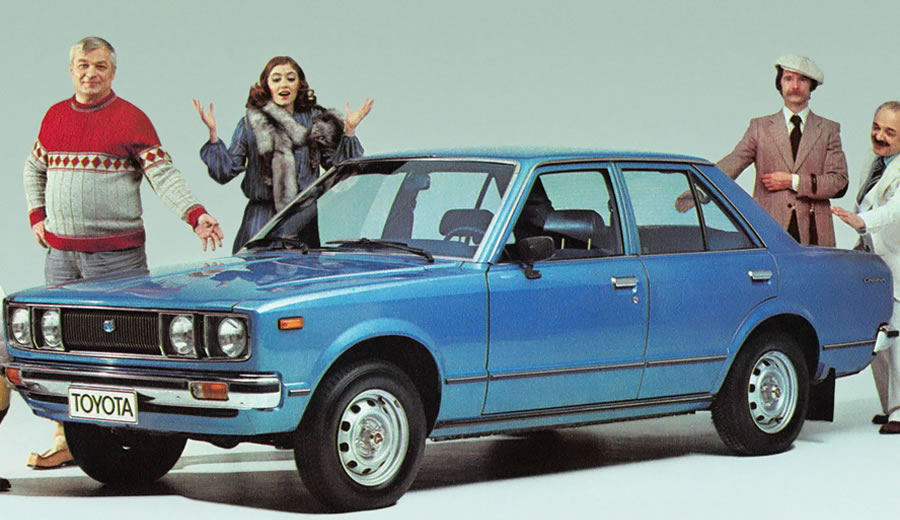
Second generation (A40, 1977-1981)
In August 1977, the second generation with chassis code "A40" was released in Japan. The body was a four-door sedan, a two-door coupe with a folding hardtop and a five-door station wagon. The van was produced on the chassis of the first generation. The station wagon with a strong leaf spring rear suspension was exported to other countries for the first time. The length of the car was 4230-4270 mm, width 1630 mm, height 1390-1425 mm and the curb weight was 945-995 kg. Production was carried out only in Japan.
Fuel injection was optional on top-end models. Engines were four-cylinder petrol only:
- 1.4 liters (1407 cm³, TJ) with a capacity of 79 hp.
- 1.6 liters (1588 cm³, 2T) with a capacity of 102 hp.
- 1.6 liters (1588 cm³, 12T-U) with a capacity of 88 hp.
- 1.8 liters (1770 cm³, 13T-U) with a capacity of 94 hp.
- 1.8 liters (1770 cm³, 3T-EU) with a capacity of 105 hp.
- 2.0 liters (1973 cm³, 21R-U) with a capacity of 105 hp.
- 2.0 liters (1968 cm³, 18R-GEU, DOHC) with a capacity of 133 hp.
The gearboxes were the same as those of the first generation.
In 1980, the car was updated - the front and rear exterior design, headlights were changed, and the interior was also improved. In January 1980, a sports sedan was released with the name "Celica Camry" length 4445 mm.
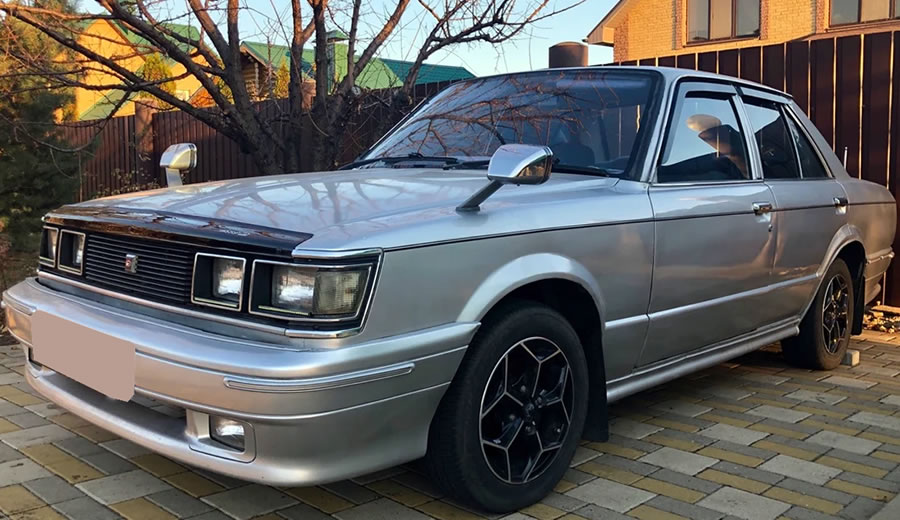
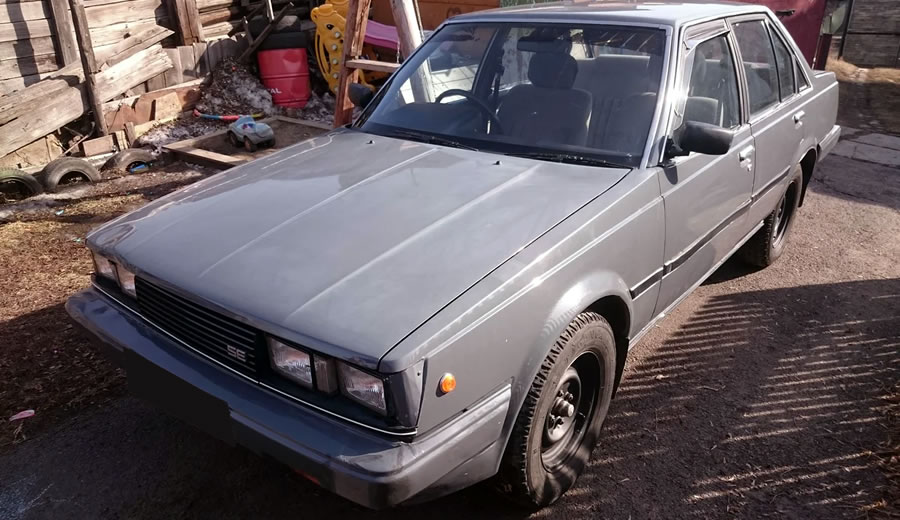
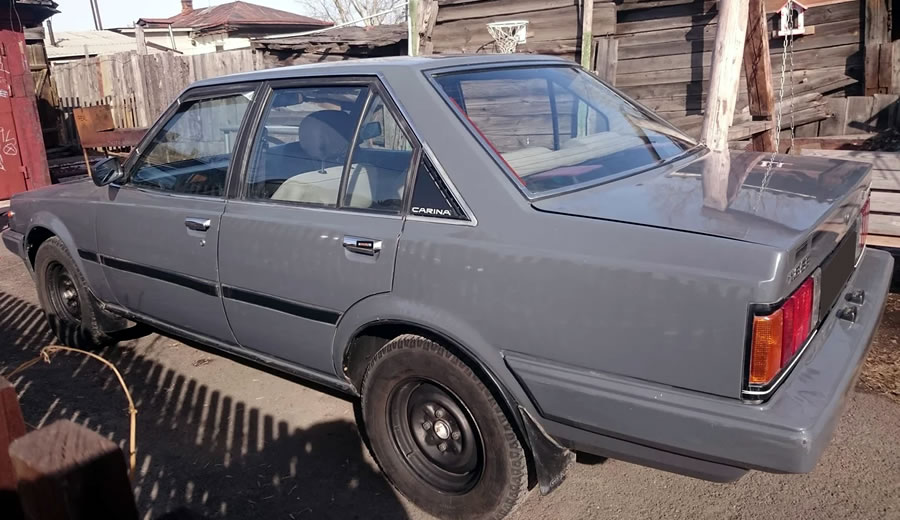
Third generation (A60, 1981-1988)
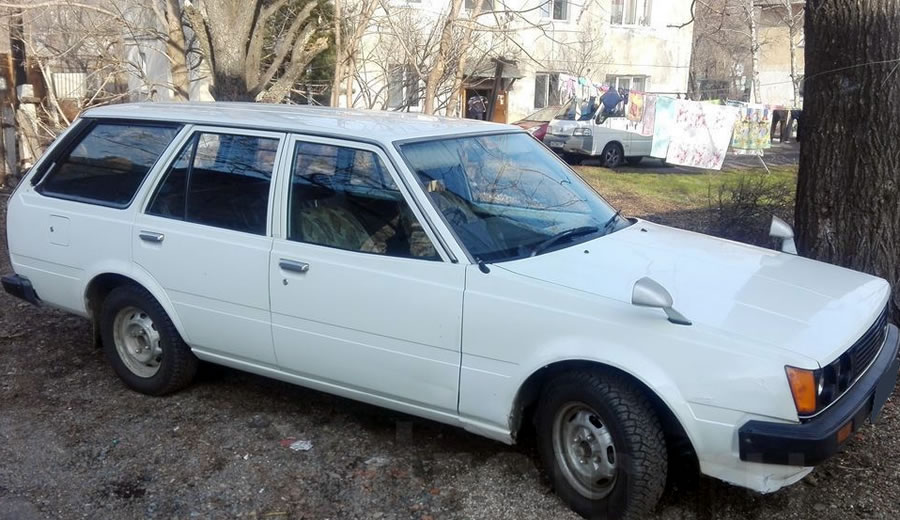
The third generation of Carina with the code "A60" appeared in September 1981. The exterior design became more angular following the automotive fashion of those years. The drive was still on the rear wheels despite the transition to front-wheel drive by other automakers, which took place in the early 80s. The body was a four-door sedan 4385 mm long, 1650 mm wide, 1365 mm high and a curb weight of 995-1135 kg, a two-door coupe and a five-door van. In February 1982, a five-door station wagon body appeared with the name "Carina Surf".
The petrol engines were four-cylinder with the following parameters:
- 1.5 liters (1452 cm³, 3A-U, SOHC) with a capacity of 82 hp.
- 1.5 liters (1486 cm³, 5K-J, OHV) with a capacity of 82 hp.
- 1.6 liters (1587 cm³, 4A-GEU, DOHC) with a capacity of 112 hp.
- 1.6 liters (1588 cm³, 2T-GEU, DOHC) with a capacity of 125 hp.
- 1.6 liters (1588 cm³, 12T, OHV) with a capacity of 88 hp.
- 1.8 liters (1770 cm³, 3T-EU, OHV) with a capacity of 105 hp.
- 1.8 liters (1770 cm³, 3T-GTE, OHV, turbocharged) with a capacity of 160 hp.
- 1.8 liters (1770 cm³, 13T, OHV) with a capacity of 94 hp.
- 1.8 liters (1832 cm³, 1S-U, SOHC) with a capacity of 100 hp.
For the first time, a 1.8-liter diesel engine was installed (1839 cm³, 1C, SOHC) with a capacity of 64 hp. The gearbox was a four- or five-speed manual, as well as a three- or four-speed automatic.
In May 1983, the sedans were updated. The radiator grille and taillights were changed, and electrically adjustable external rear-view mirrors were added. In August 1983, the van was slightly updated.
Fourth generation (T150/T160, 1984-1988)
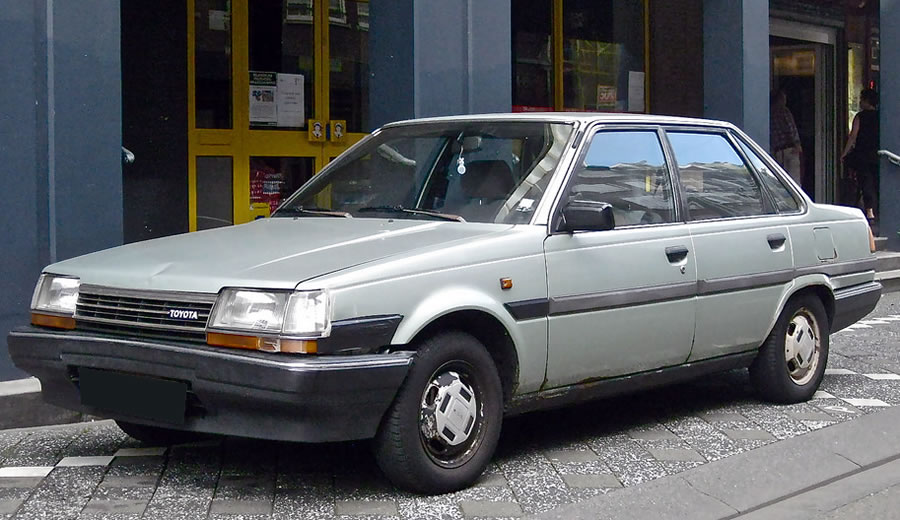
In May 1984, the four-door front-wheel drive saloon "Carina FF" with chassis code "T150" was released. The exterior design was similar to the previous generation with rectangular headlights. The length of the car was 4350 mm, width 1670 mm, height 1365 mm and the unladen weight was 950 kg. Two-door coupe, station wagon "Carina Surf" and the van continued to use the previous platform "Toyota "A" with rear-wheel drive. All these bodies were gradually replaced by new ones due to good demand for them. In the European market, the closely related "Corona (T150)" sold as "Carina II".
Four-cylinder engines were installed. Petrol engines had the following volumes: 1.5 liters (14525 cm³, 3A-LU, DOHC, 83 hp), 1.6 liters (1587 cm³, 4A-ELU, SOHC, 100 hp) and 1.8 liters (1832 cm³, 1S-iLU, SOHC, 105 hp). There was one diesel engine with a capacity of 2.0 liters (1974 cm³, 2C-L, SOHC, 72 hp). The transmission was a three- or four-speed automatic, as well as a four- or five-speed manual.
In August 1985, the four-door coupe with a folding hardtop "Carina ED" with chassis code "ST160" appeared. This car with an emphasis on luxury, but in size does not exceed 4700x1700 mm, so as not to pay a large transport tax in Japan.
In May 1986, minor updates affected all Carina cars.
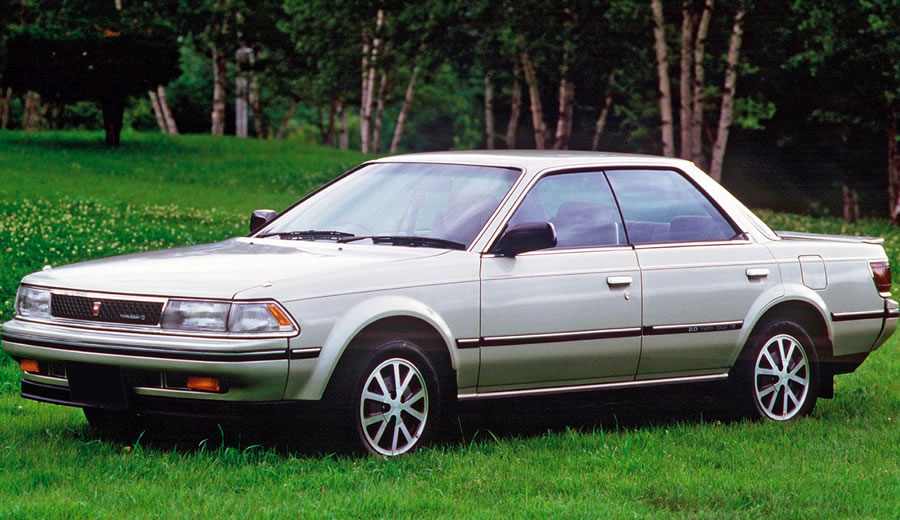
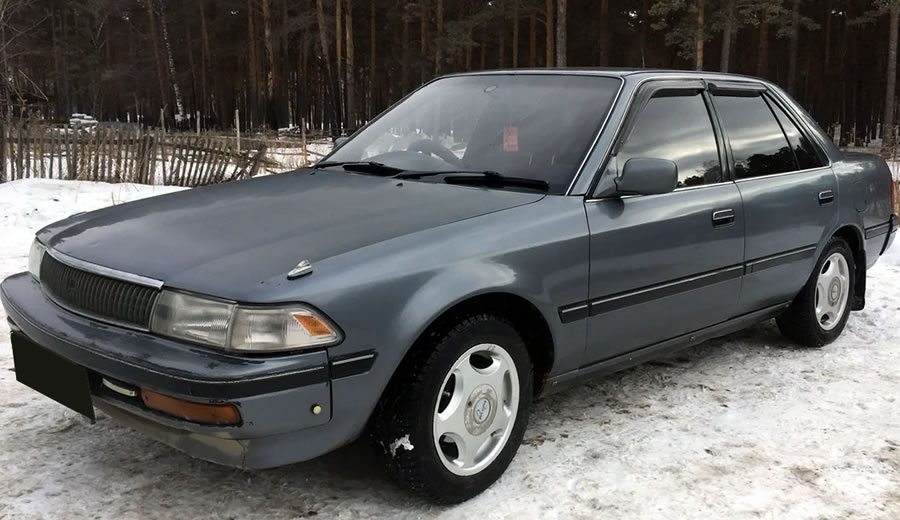
Fifth generation (T170, 1988-1992)
In May 1988, the fifth generation was introduced with the code "T170". The exterior design became more rounded following the automotive fashion of the late 80s. The body was a four-door sedan, as well as a five-door station wagon (Surf) and a van (Van), which were completely technically updated to the level of the sedan and based on the platform "Toyota "T". The length of the car was 4380 mm, width 1690 mm, height 1370 mm and the unladen weight was 1060 kg. In December 1988, a model with a four-wheel drive system with a center differential was added.
Petrol engines were installed only four-cylinder in-line engines with a volume of 1.5 liters (1456 cm³, 5A-F/5A-FE, DOHC, 85/94 hp), 1.6 liters (1587 cm³, 4A- FE /4A-FHE, DOHC, 100/110 hp), 1.6 liters (1587 cm³, 4A-GE, DOHC, turbocharged, 140 hp) and 1.8 liters (1838 cm³, 4S-FI, DOHC, 105 hp). The "E" in the engine model stands for electronic fuel injection "EFI". There was also one diesel engine with a volume of 2.0 liters (1974 cm³, 2C, SOHC, 73 hp). The transmission is a five-speed manual or a four-speed automatic.
In May 1990, the model was given a minor facelift. Commercial vans were produced until March 1992, when they were replaced "Corona Caldina". For the European market "Corona T170" continued to be sold as the "Carina II". The second generation "Carina ED" with chassis code "ST180" appeared in 1989 with more luxurious contents and electronic fuel injection on all engines.
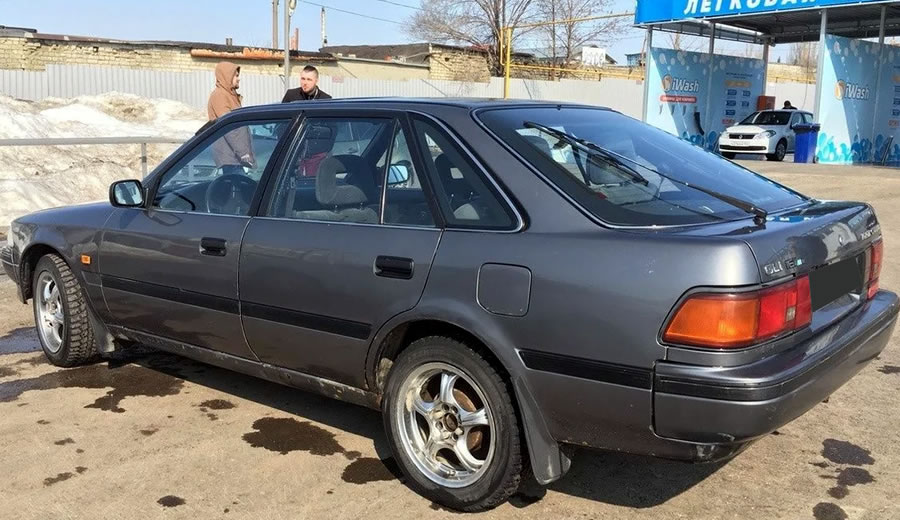
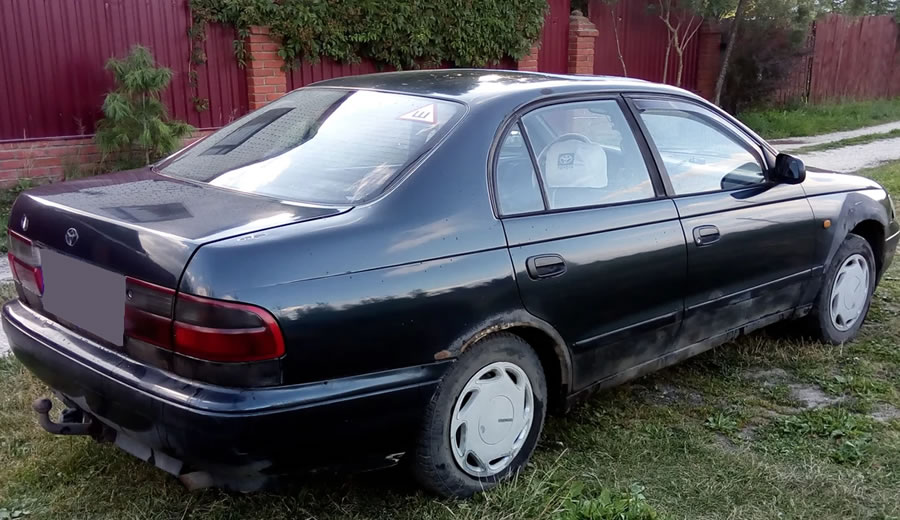
Sixth generation (T190, 1992-1996)
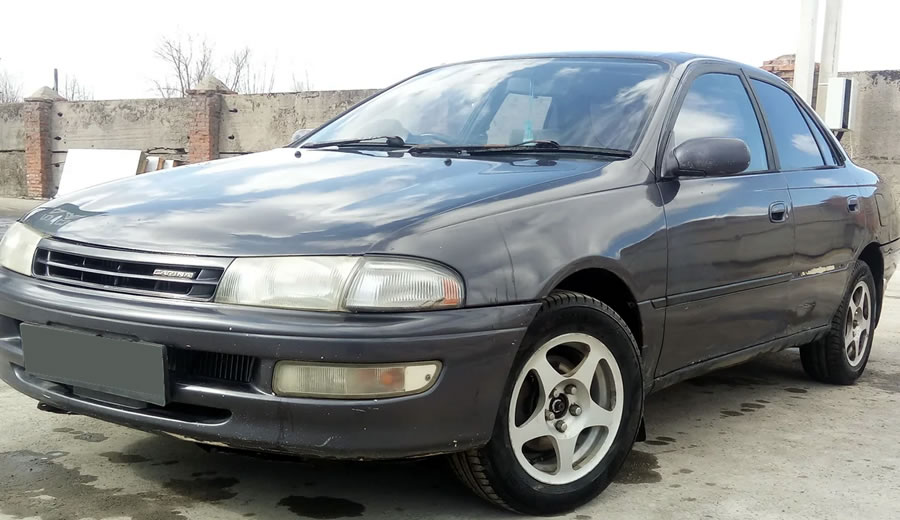
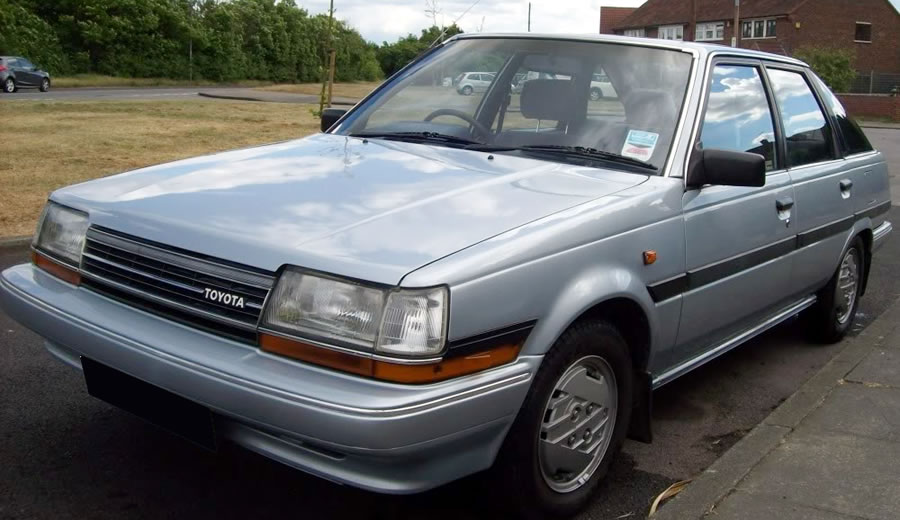
In December 1992, the sixth generation appeared with the code "T190" and the name "Carina E". The car is based on the platform "Toyota "T" and was produced in Great Britain for the European markets and was identical to the Japanese one "Corona" ninth generation. The body was only a four-door sedan with a length of 4450 mm, a width of 1695 mm, a height of 1400 mm and a curb weight of 1150 kg. Also produced was the third and last generation of a four-door coupe with a folding hardtop "Carina ED" with the chassis code "ST200", which ceased to be produced in 1998.
The petrol four-cylinder engines had a capacity of 1.5 litres (1498 cm³, 5A-FE, 105 hp), 1.6 liters (1587 cm³, 4A-FE, 105 hp), 1.8 liters (1838 cm³, 4S-FE, 125 hp) and 2.0 liters (1998 cm³, 3S-FE, 135 hp). The diesel engine had a capacity of 2.0 liters (1974 cm³, 2C, SOHC) with a capacity of 73 hp. The gearbox was a five- or six-speed manual, as well as a four-speed automatic.
In August 1994, a minor update of the model was carried out.
Seventh generation (T210, 1996-2001)
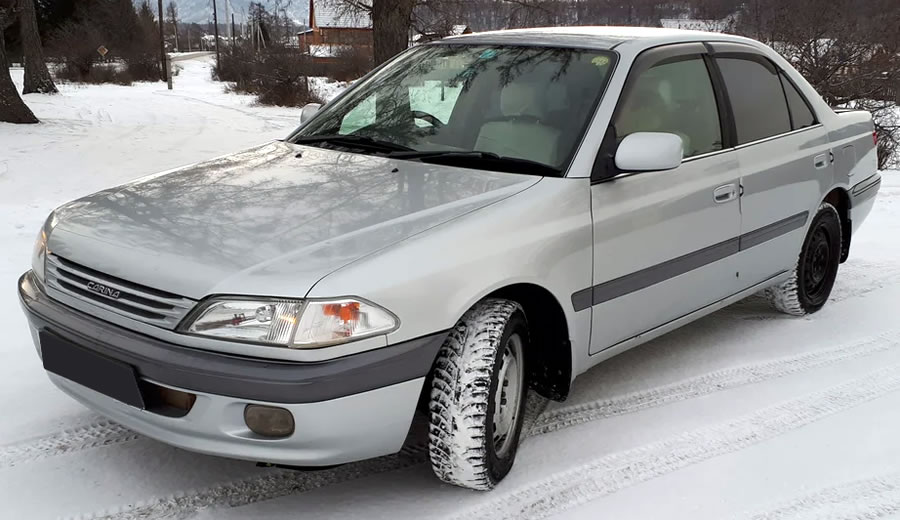
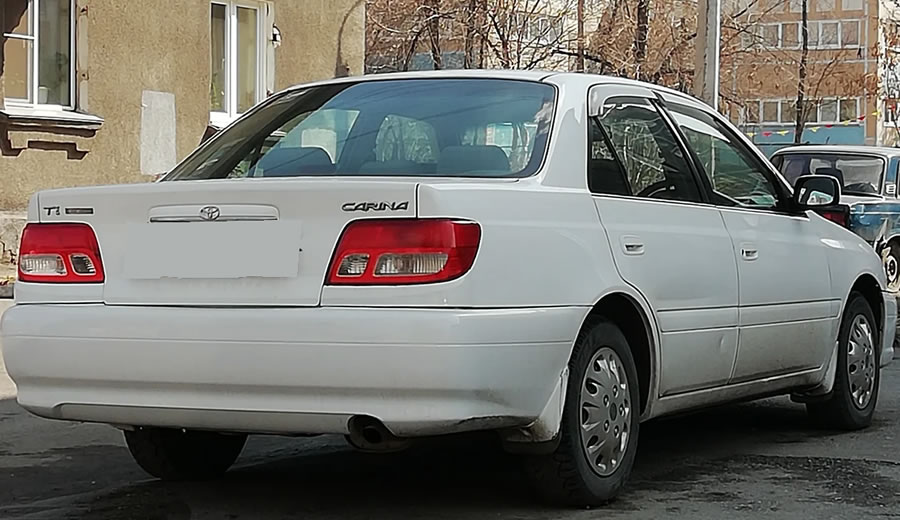
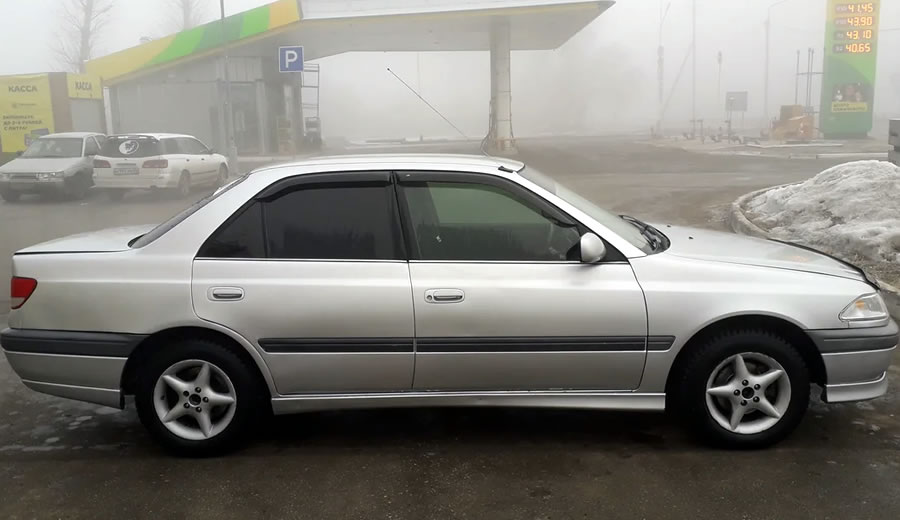
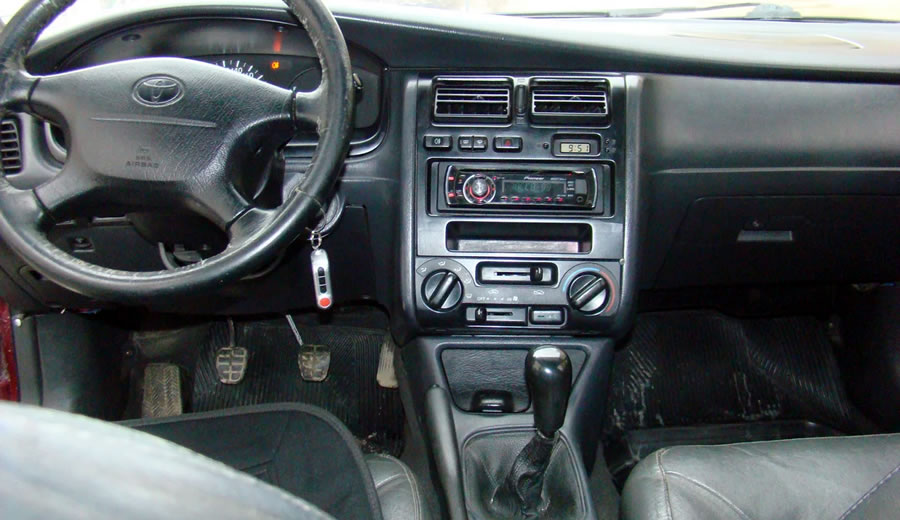
In August 1996, the seventh generation with chassis code "T210" was launched. The car was intended only for the Japanese market. The body was only a four-door sedan, 4450 mm long, 1695 mm wide, 1395 mm high and with a curb weight of 1110 kg. The drive was front-wheel drive, but there was an all-wheel drive version.
The petrol engines were four-cylinder with the following characteristics: 1.5 litres (1498 cm³, 5A-FE, DOHC, 16 valves, 100 hp), 1.6 liters (1587 cm³, 4A-GE, DOHC, 20 valves, turbocharged, 165 hp), 1.8 liters (1762 cm³, 7A-FE, DOHC, 16 valves, 115 hp) and 2.0 liters (1998 cm³, 3S-FE, DOHC, 16 valves, 135 hp). The diesel engine was a 2.0-liter turbocharged engine (1974 cm³, 2C-T, SOHC) with a capacity of 88 hp. The transmission was a four-speed automatic, as well as a five- or six-speed manual.
In August 1998, minor changes were made to the design. The radiator grille, headlights and taillights were redesigned, and minor changes were made to the bumpers. After 31 years, in December 2001, production of the "Carina" was discontinued.
Toyota Allion and Toyota Premio (2001-present)
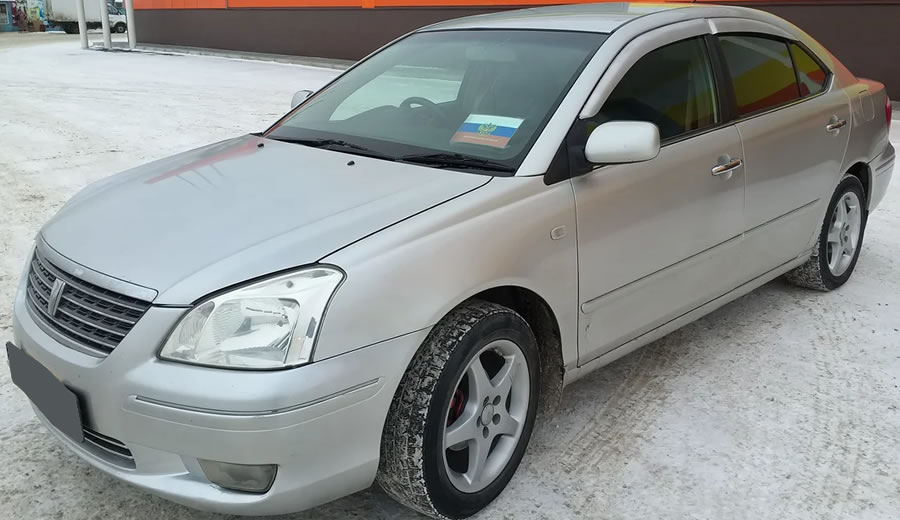
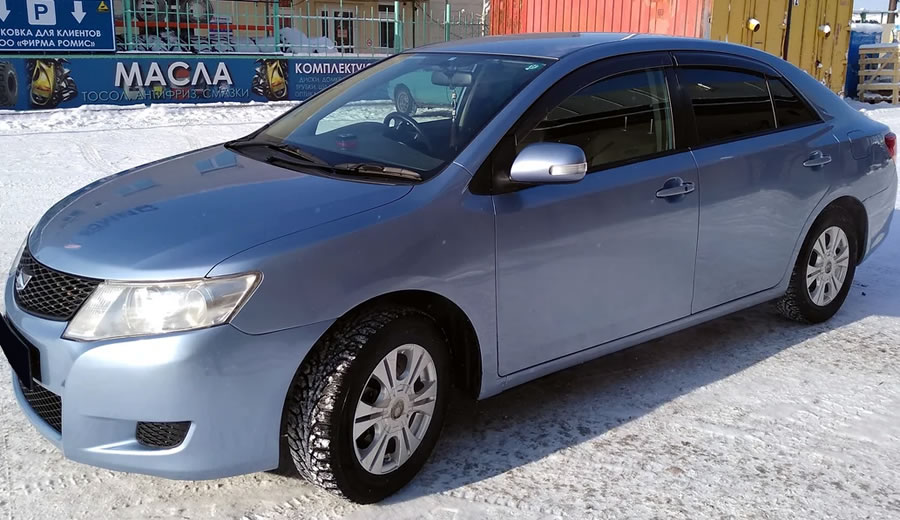
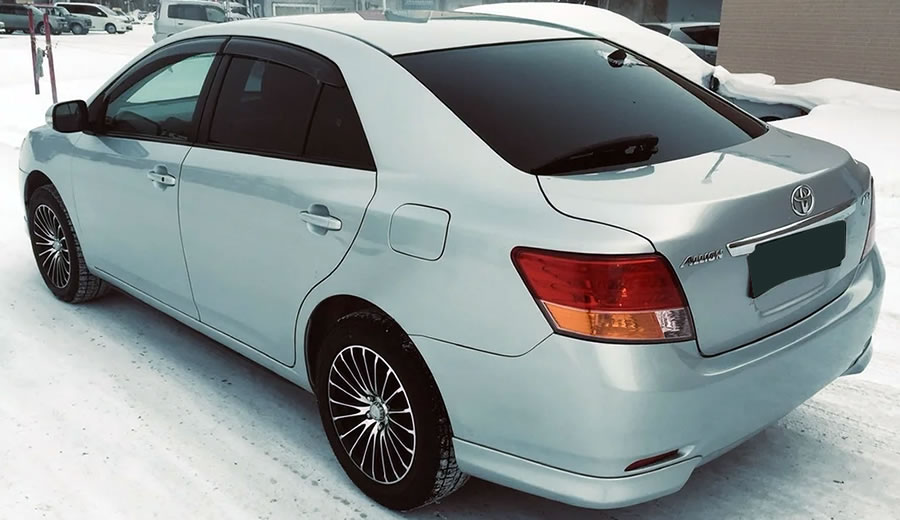
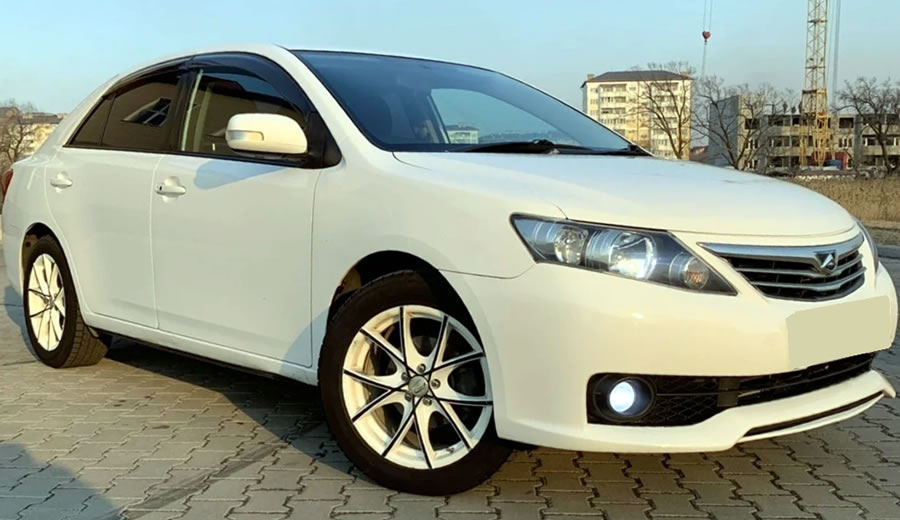
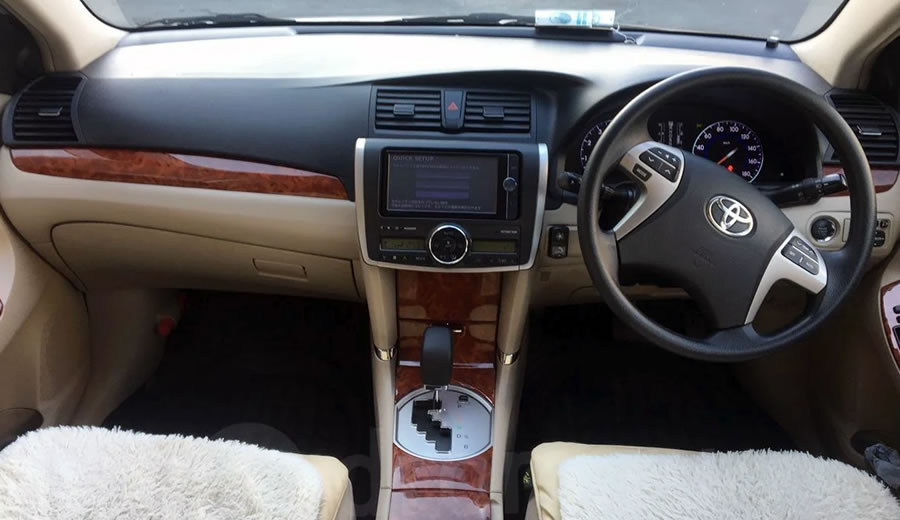
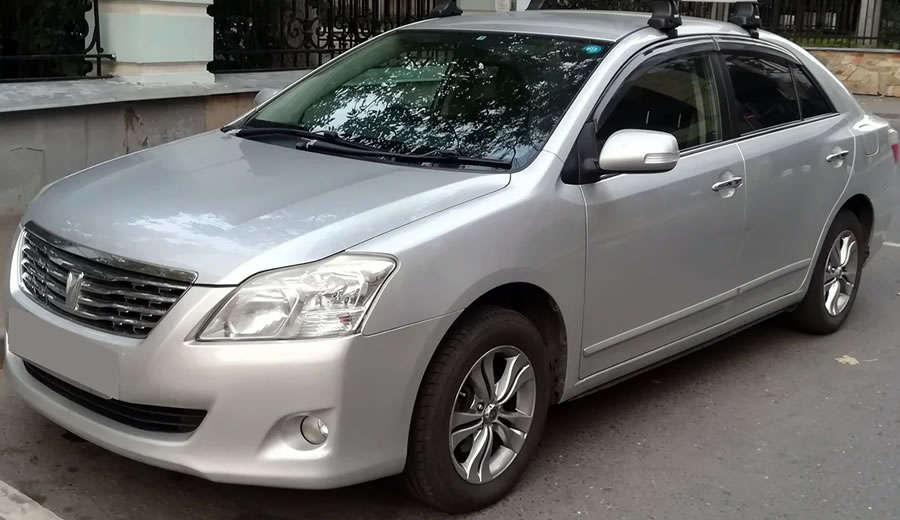
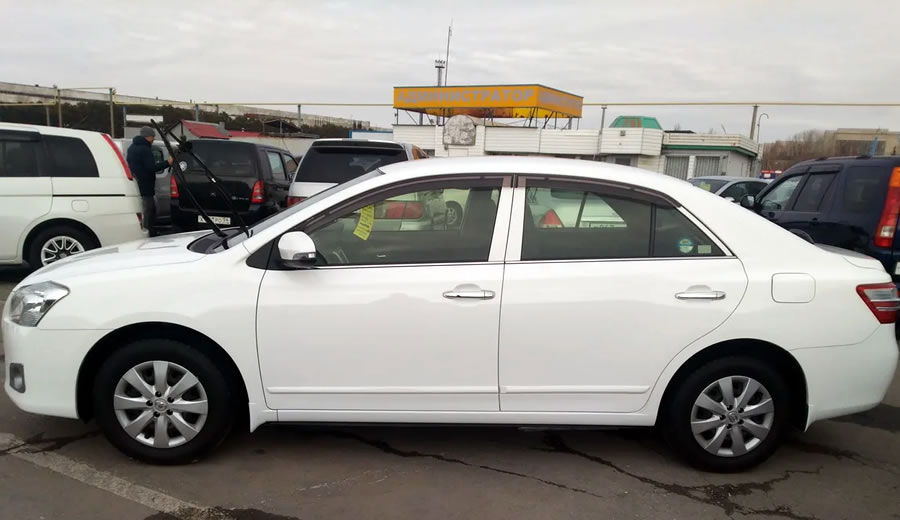
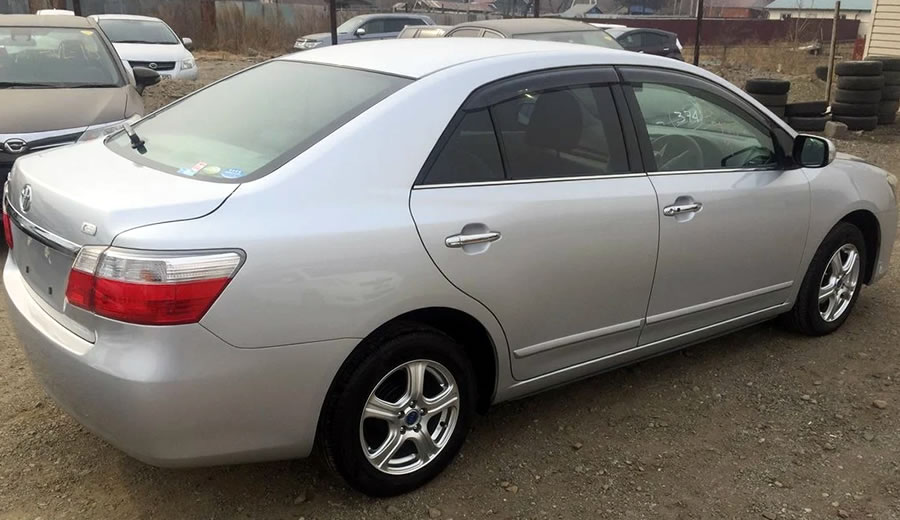
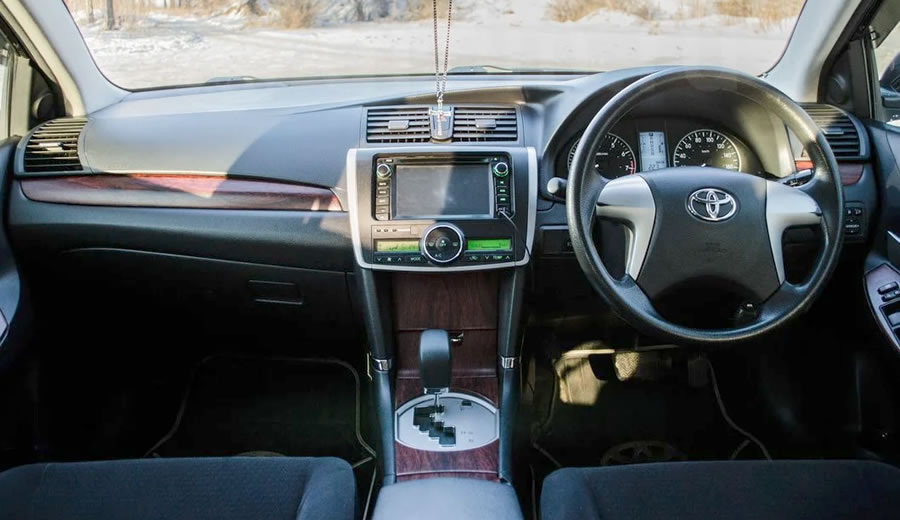
Premio and Allion — compact sedans (C-segment) of Japanese production (Toyota Motor Corporation), produced from December 2001 to the present. Intended only for the Japanese domestic market and not exported to other countries. The car replaced the "Carina" (see description above), first introduced in 1970. The four-door hardtop coupe "Carina ED" was replaced by the "Brevis", which was produced until 2007. "Premio" and "Allion" are mechanically identical to the "Avensis" hatchback, which is sold in Japan and also exported to other countries. "Premio" is a luxuriously trimmed sedan, on par with the larger "Camry", while "Allion" is a simpler, sportier car.
First generation (T240, 2001-2007)
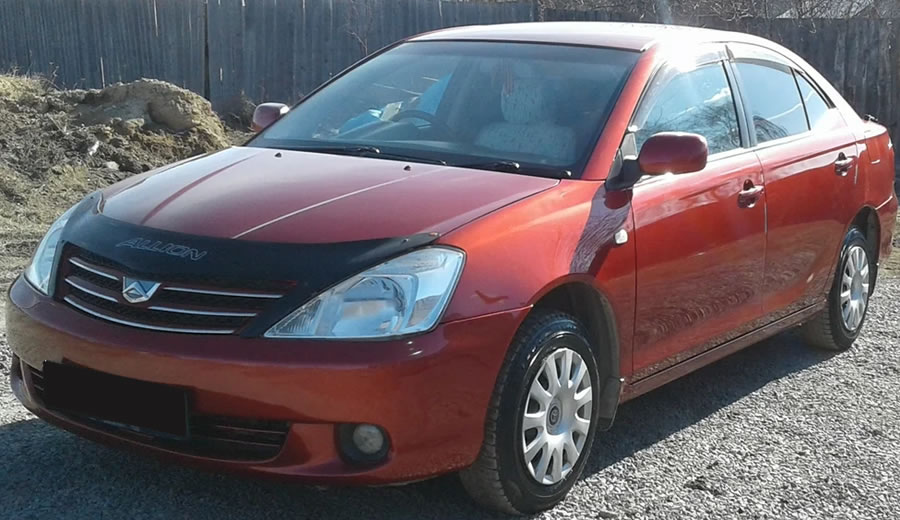
on December 25, 2001, these first generation cars with the chassis code "T240" were presented. They have the same interior and engines. "Allion" has folding rear seats, was often used for taxis, driving schools and police. The engine was located transversely in the front, the drive is mainly on the front wheels, there are models with all-wheel drive. The body is presented only as a four-door sedan with a length of 4565 mm, a width of 1695 mm, a height of 1470 mm and a curb weight of 1170 kg.
Engines were installed only petrol four-cylinder with the following characteristics - 1.5 liters (1497 cm³, 1NZ-FE, 109 hp), 1.8 liters (1794 cm³, 1ZZ-FE, 120 hp) and 2.0 liters (1998 cm³, 1AZ-FSE, 147 hp). The transmission is a four-speed automatic or continuously variable transmission.
In December 2004, the cars received a minor update. The rear lights were replaced with LED ones.
Second generation (T260, 2007-present)
In June 2007, the second generation appeared with the chassis code "T260". These cars continued to fill the gap between "Corolla" and "Camry". The body is only a four-door sedan with a front engine and front-wheel drive. There are models with all-wheel drive as an option. The length of the car was 4565 mm, width 1695 mm, height 1475 mm and the curb weight was 1440 kg, that is, the external dimensions did not change, but the weight became significantly greater. Production was carried out only in Japan for the domestic market.
Only 1.5-liter four-cylinder petrol engines were installed (1497 cm³, 1NZ-FE, 109 hp), 1.8 liters (1798 cm³, 2ZR-FE, 125/136 hp) and 2.0 liters (1987 cm³, 3ZR-FAE, 158 hp). The only transmission installed was a continuously variable transmission (CVT).
The first update of the model was carried out in April 2010, changing the headlights and installing dual LED lights at the rear. In June 2016, the second update was carried out. LED headlights were installed at the front, and a collision avoidance system appeared "Toyota Safety Sense C".