Company Honda Company Ford Company Skoda Company Kia Company Mazda Company Mercedes Company Renault
English Русский
Български
Беларускі
Український
Српски
Hrvatski
Română
Polski
Slovenský
Magyar
Bookmark Articles Sitemap Contacts
ToyotaMan.ru


Camry Corolla Corona Carina Land Cruiser Highlander 4Runner RAV4 Others
Corona T190 (1992-1997)

Description and history of Toyota Corona and Toyota Avensis cars

  • Main
  • Corona
Corona ↓ · Avensis ↓

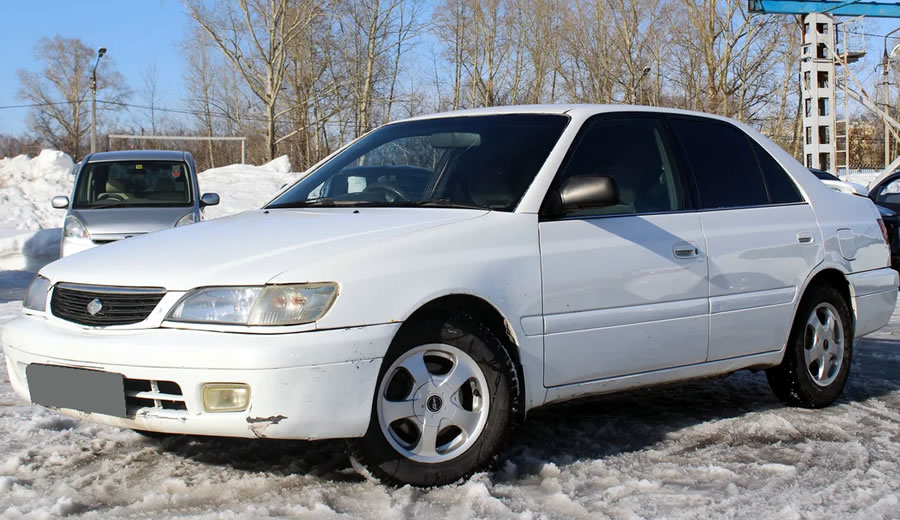
Crown 2002 year, sedan 
Crown 2002 year, sedan
Toyota Corona — a mid-size car (D-segment) of the Japanese automaker "Toyota Motor", which was produced between 1957 and 2002. Since its inception, this car has stood between the smaller "Corolla" and business class "Crown". Currently completely replaced by "Camry". The word "corona" is translated from Latin as "crown". In many countries, this car was one of the first international exports of "Toyota" and was sold under different names around the world. The engine was located in the front, the drive on the first generations was on the rear wheels. In 1983, the car was converted to front-wheel drive.

At the end of production, the main competitors of the Corona were the Citroen C5, Chevrolet Malibu, Ford Mondeo, Honda Accord, Hyundai Sonata, Kia Optima, Mazda 626, Mitsubishi Galant, Nissan Bluebird, Opel Vectra, Peugeot 406, Renault Laguna, Volvo S40, Škoda Superb, Subaru Legacy and Volkswagen Passat.

First generation (T10, 1957-1960)
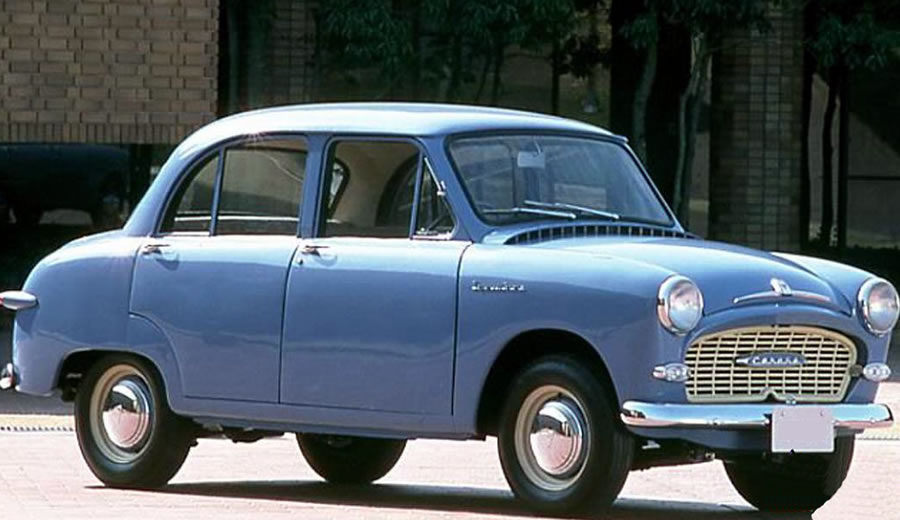


Crown Т10, sedan 
Crown Т10, sedan
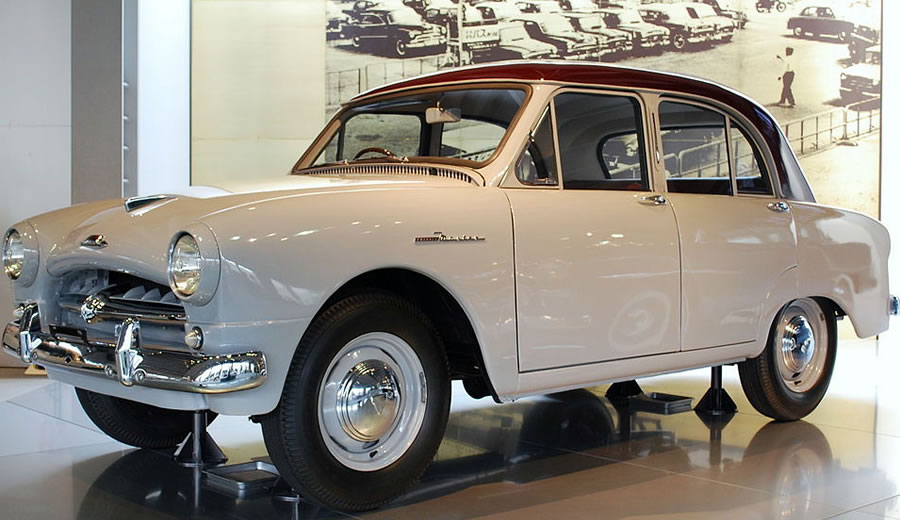
In May 1957, the first generation of the Crown was presented. The car was created taking into account the design, technology and details of the business class "Toyota Crown" and a compact sedan "Toyopet Master". The engine was located in the front, the drive was to the rear wheels. The body was a four-door sedan, 3912 mm long, 1471 mm wide, 1519 mm high and had a curb weight of 960 kg. Three-door vans were also available. The car was often used as a taxi in Japan.

Toyopet Master 
Toyopet Master
There were two engines, both petrol four-cylinder with a capacity of 1.0 liter. At first, the "Type S" with a side valve arrangement, a capacity of 995 cm³ and a power of 33 hp was installed. In 1959, it was replaced by a new engine "P family" with an overhead valve arrangement (OHV), a capacity of 997 cm³ and a power of 45 hp. The gearbox was a three-speed manual. With this more powerful engine, the car developed a maximum speed of 105 km/h.

In April 1958, the car underwent a minor facelift, which brought new hood ornaments and door handles. Later, there was another upgrade, which changed the radiator grille and the rear seat.

Second generation (T20/T30, 1960-1964)
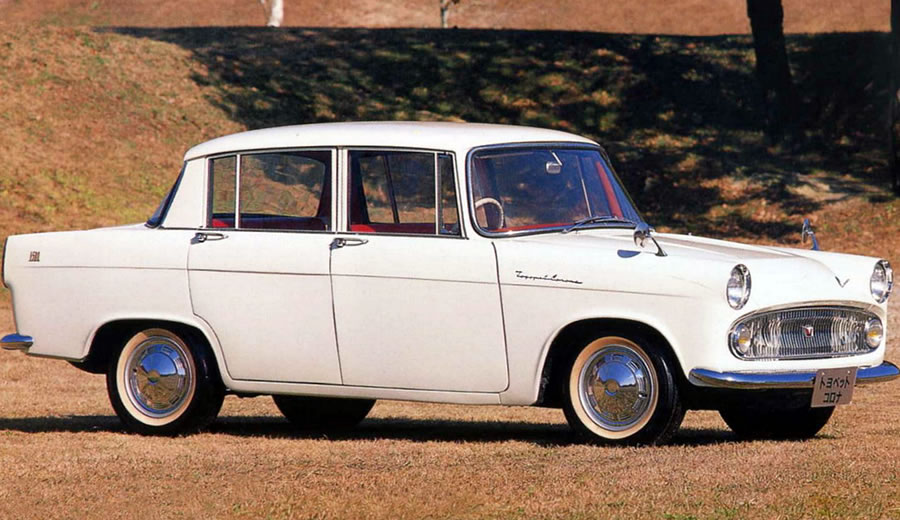


Crown Т20, sedan 
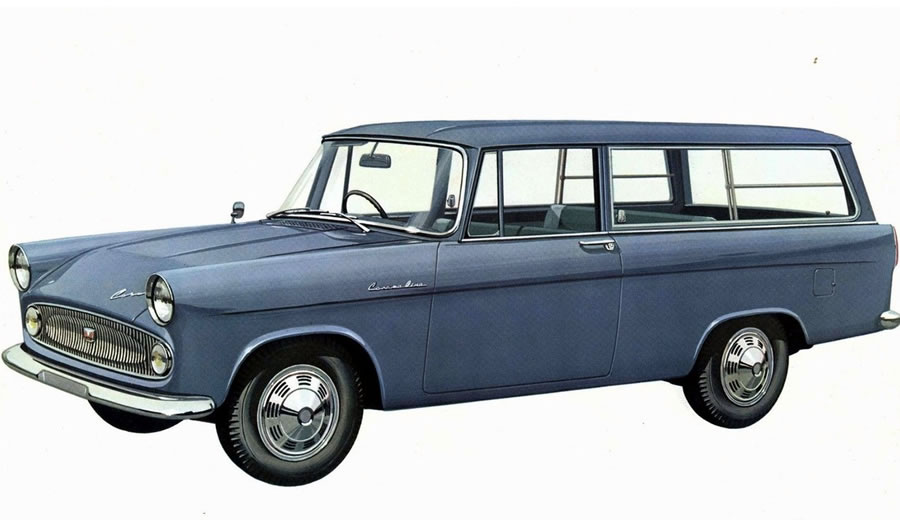
Crown Т20, sedan
In March 1960, the second generation with the code "T20" was released. The car was exported under the name "Toyota Tiara". The body was a four-door sedan, a three-door station wagon and a two-door coupe. The length was 3990 mm, the width was 1490 mm, the height was 1440 mm and the curb weight was 940-980 kg. The torque was transmitted to the rear wheels. In addition to Japan, production was established in Australia since 1963. At the Tokyo Motor Show in 1963, two concept cars were shown: "Corona 1500S convertible" and "Corona 1900S sports sedan".

Crown Т20, wagon 
Crown Т20, wagon
The 1.0-liter (997 cm³) "P family" engine was carried over from the first generation without changes. Later, in March 1961, a new 1.5-liter (1453 cm³) "R family" engine with 60 hp was introduced. In 1964, a more powerful 1.9-liter (1897 cm³) "3R family" engine with 89 hp was added. The gearbox was the same three-speed manual, and a two-speed automatic was also installed for the first time.

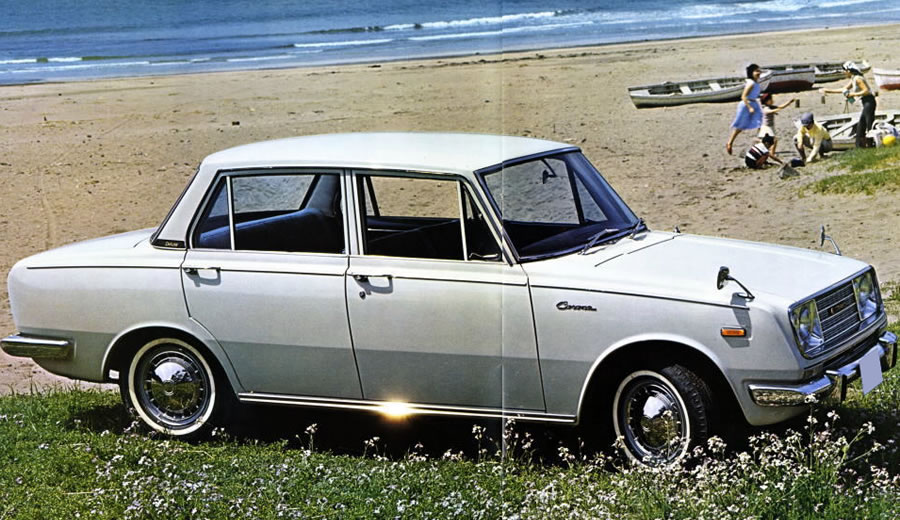
Third generation (T40/T50, 1964-1970)


Crown Т40, sedan 
Crown Т40, sedan
In September 1964, the third generation of Toyota Corona was presented. The new car was demonstrated on the Meishin Expressway in Japan, it traveled 100 thousand kilometers and was capable of reaching a speed of 140 km/h. The following body styles were offered: five-door station wagon, hatchback, van; four-door sedan; three-door van; two-door coupe and coupe with folding hardtop. Codes 40-43 were used for sedans, 46-47 for commercial vans, 50-55 for hardtop body, 56 for hatchback. The external dimensions of the car increased and were 4110 mm long, 1550 mm wide and 1420 mm high. The curb weight was 971-1000 kg. The drive was still on the rear wheels. The car was assembled in Japan, Australia, New Zealand and South Korea.

The range of petrol four-cylinder carburetor engines expanded significantly and presented the following picture:
Crown Т50, coupe 
Crown Т50, coupe
  • 1.2 liters (1198 cm³, 2P) with a capacity of 54 hp.
  • 1.3 liters (1345 cm³, 3P) with a capacity of 64 hp.
  • 1.5 liters (1490 cm³, 2R) with a capacity of 74 hp.
  • 1.6 liters (1587 cm³, 4R) with a capacity of 91 hp.
  • 1.6 liters (1587 cm³, 9R, DOHC) with a capacity of 110 hp.
  • 1.6 liters (1587 cm³, 12R) with a capacity of 89 hp.
  • 1.6 liters (1591 cm³, 7R, 7R-B) with a capacity of 84 and 101 hp.
  • 1.9 liters (1897 cm³, 3R) with a capacity of 89 hp.

The gearbox was a three- or four-speed manual, as well as a two-speed automatic "Toyoglide".

Corona Mark II (T60/T70, 1968-1972)


Crown Mark II, sedan 
Crown Mark II, sedan
In September 1968, a larger model was released called "Corona Mark II". After 1972, the car was separated into a separate model, which was produced until 2004 and ceased to be produced after the ninth generation. The body was a four-door sedan, a five-door station wagon and a two-door coupe. The length was 4295 mm, the width was 1610 mm, the height was 1405 mm and the curb weight was 1000 kg. The engines were only petrol four-cylinder with a volume of 1.5 to 2.0 liters and a power of 74 to 139 hp.

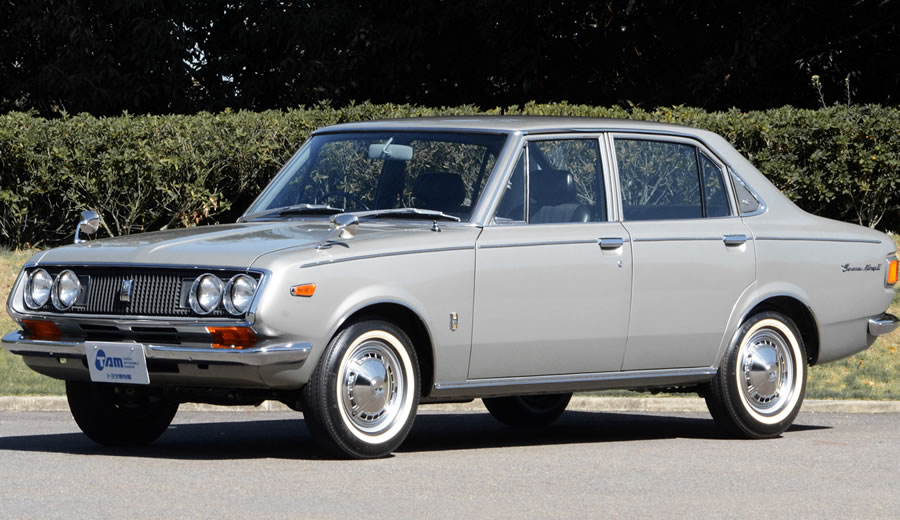
Fourth generation (T80/T90, 1970-1973)


Crown Т80, sedan 
Crown Т80, sedan
In February 1970, a completely redesigned fourth-generation Corona was released, based on a new platform from the car "Corona Mark II" the body was a four-door sedan (length 4170, width 1570 mm, height 1400 mm, weight 945 kg), five-door station wagon (length 4260 mm, width 1570 mm, height 1435 mm, weight 1005 kg) and a two-door coupe. Production took place in Australia and Japan. In 1970, a similarly sized competitor called the "Toyota Carina", which was based on the platform "Toyota Celica" and was equipped with more powerful engines.

The Toyota Corona was equipped with four-cylinder gasoline engines of the following volumes and characteristics:
Crown Т80, sedan, view behind 
Crown Т80, sedan, view behind
  • 1.3 liters (1345 cm³, 3P, OHV) with a capacity of 64 hp.
  • 1.5 liters (1490 cm³, 2R, OHV) with a capacity of 74 hp.
  • 1.6 liters (1587 cm³, 12R, OHV) with a capacity of 89 hp.
  • 1.6 liters (1591 cm³, 7R, SOHC) with a capacity of 84 hp.
  • 1.7 liters (1707 cm³, 6R, OHV) with a capacity of 107 hp.
  • 1.9 liters (1858 cm³, 8R, SOHC) with a capacity of 109 hp.
  • 2.0 liters (1968 cm³, 18R, SOHC) with a capacity of 105 hp.

The transmission was a two- or three-speed automatic "Toyoglide", as well as a manual three-, four- or five-speed with a shift lever on the floor.

In August 1971, they updated it, changing the radiator grille and direction indicators. In 1972, they did another minor restyling.

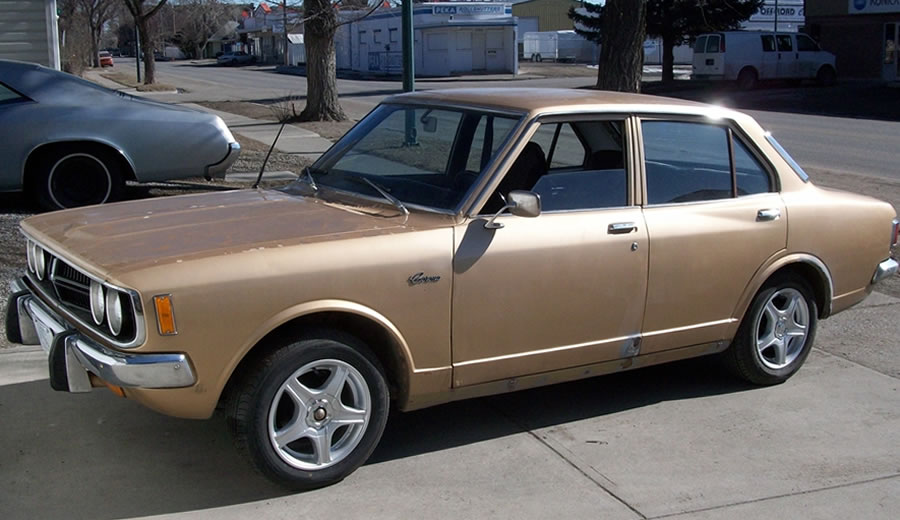
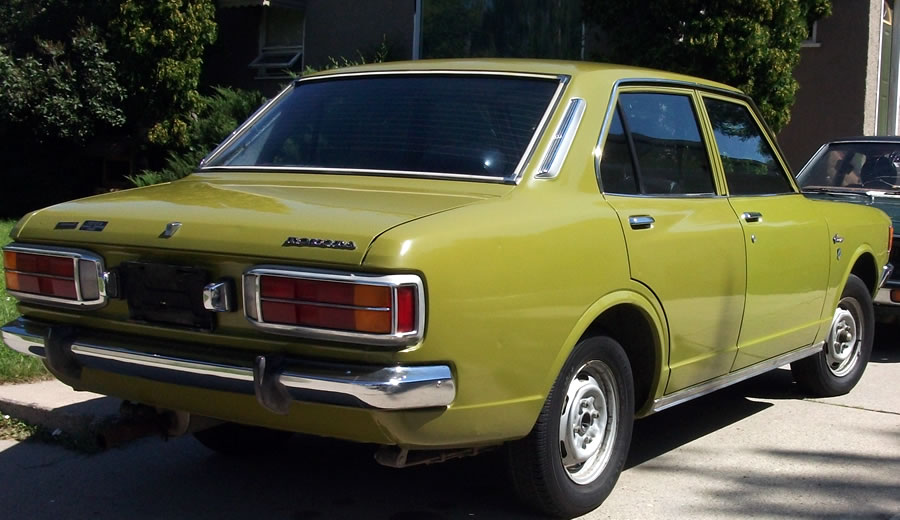
Fifth generation (T100/T110/T120, 1973-1979)


Crown Т100, sedan 
Crown Т100, sedan
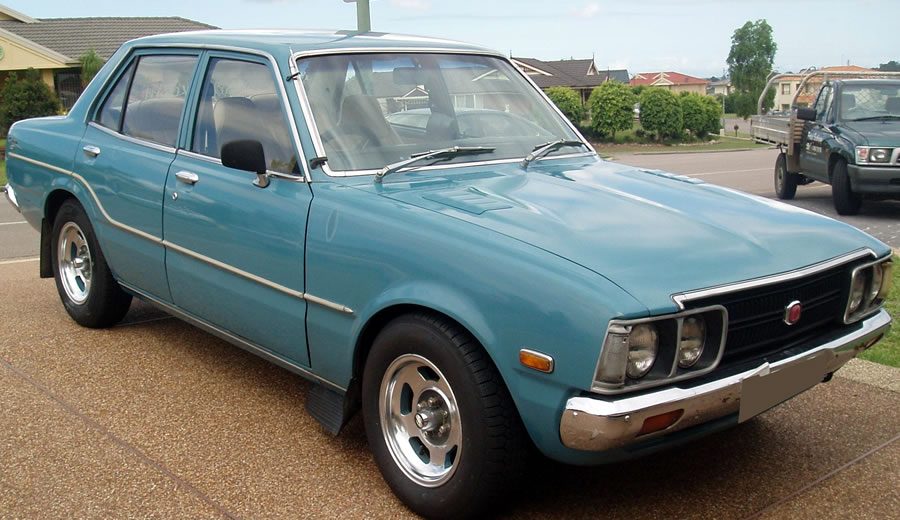
In August 1973, the fifth update of the Toyota Corolla appeared with the chassis code "T100". The body was produced as a two- or four-door sedan (length 4250 mm, width 1610 mm, height 1390 mm), five-door station wagon (length 4481 mm, width 1610 mm, height 1430 mm) and a two-door hardtop coupe. The curb weight of the car was 1,090–1,260 kg. Chassis codes 100–105 were reserved for sedans, 106–109 for vans, 110–115 for hardtop coupes, and 116–119 for station wagons. The 120 series model codes were used for Japanese-market models equipped with the new emissions-controlled "TTC-C" engines. Assembly plants were located in Japan, Australia, Indonesia, and South Africa.

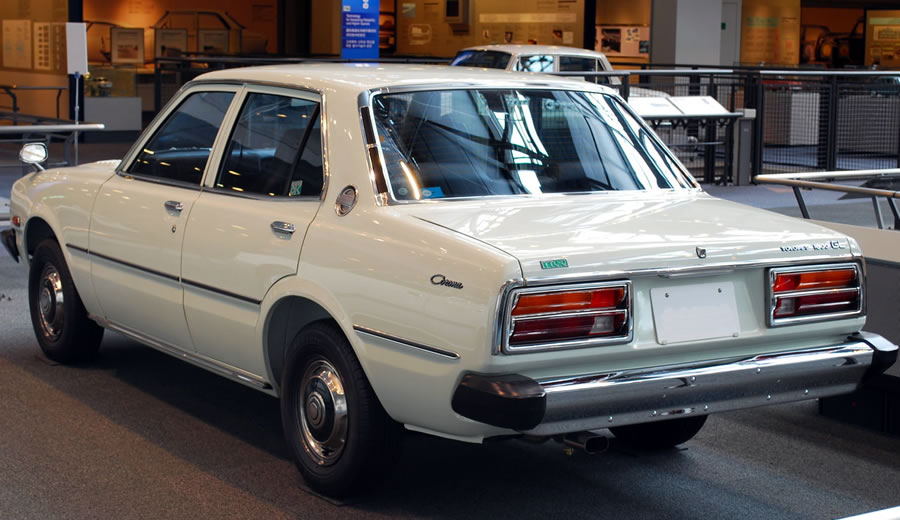
Crown Т100, sedan, view behind 
Crown Т100, sedan, view behind
The engines were only petrol four-cylinder with the following characteristics:
  • 1.6 liters (1588 cm³, 2T) with a capacity of 102 hp.
  • 1.6 liters (1588 cm³, 12T) with a capacity of 88 hp.
  • 1.6 liters (1587 cm³, 12R) with a capacity of 79 hp.
  • 1.8 liters (1770 cm³, 3T-U) with a capacity of 105 hp.
  • 1.8 liters (1770 cm³, 13T) with a capacity of 94 hp.
  • 1.8 liters (1808 cm³, 16R) with a capacity of 108 hp.
  • 2.0 liters (1968 cm³, 18R) with a capacity of 105 hp.
  • 2.0 liters (1968 cm³, 19R) with a capacity of 79 hp.
  • 2.2 liters (2190 cm³, 20R) with a capacity of 98 hp.

The gearbox was three-, four- and five-speed manual (W40, W50) or three-speed automatic (A40).

In January 1977, the interior and exterior of the car were updated - the radiator grille, headlights and their surrounds, hood and taillights were changed.

Sixth generation (T130, 1978-1983)


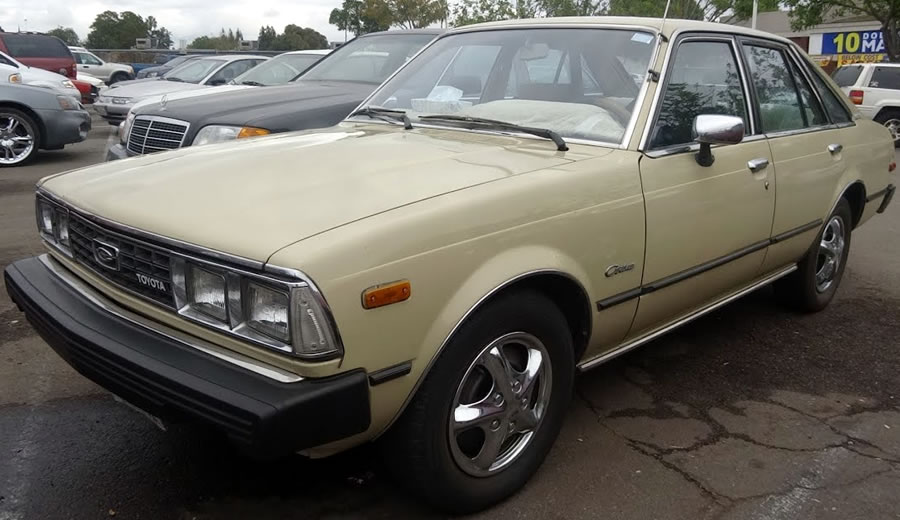
Crown Т130, liftback 
Crown Т130, liftback
In September 1978, the sixth generation with the code "T130" was introduced in Japan. The engine was located in the front with a drive to the rear wheels. The body was produced as a four-door sedan (length 4490 mm, width 1655 mm, height 1400), five-door liftback (length 4491 mm, width 1655 mm, height 1346 mm), a two-door coupe with a folding hardtop, and a five-door station wagon. The curb weight was 1085-1161 kg. The front suspension was independent MacPherson, the rear four-link with a Panhard rod, except for the station wagon with leaf springs at the rear. The car was assembled in Japan, Australia, Indonesia and New Zealand.

The engines, as before, are four-cylinder petrol with in-line cylinder arrangement of the following volumes:
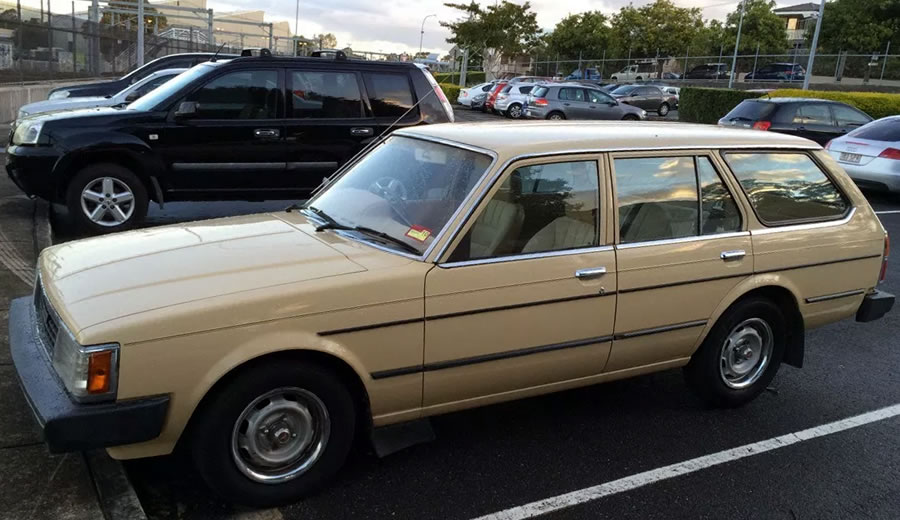
Crown Т130, wagon 
Crown Т130, wagon
  • 1.6 liters (1587 cm³, 12R, OHV) with a capacity of 89 hp.
  • 1.6 liters (1588 cm³, 2T) with a capacity of 102 hp.
  • 1.6 liters (1588 cm³, 12T) with a capacity of 88 hp.
  • 1.8 liters (1770 cm³, 3T) with a capacity of 105 hp.
  • 1.8 liters (1770 cm³, 13T) with a capacity of 94 hp.
  • 1.8 liters (1808 cm³, 16R) with a capacity of 104 hp.
  • 1.9 liters (1892 cm³, Holden 1X) with a capacity of 78 hp.
  • 2.0 liters (1968 cm³, 18R) with a capacity of 105 hp.
  • 2.0 liters (1968 cm³, 18R-G, DOHC) with a capacity of 135 hp.
  • 2.0 liters (1973 cm³, 21R, SOHC) with a capacity of 105 hp.
  • 2.0 liters (1994 cm³, 5R-LPG, OHV) with a capacity of 106 hp.
  • 2.2 liters (2190 cm³, 20R) with a capacity of 97 hp.
  • 2.4 liters (2366 cm³, 22R, SOHC) with a capacity of 97 hp.

The gearbox was equipped with a three-, four- or five-speed manual, as well as a three- or four-speed automatic (A40, A40D).

In 1981, the car's appearance was slightly updated.

Seventh generation (1982-1989)


Rear wheel drive (T140, 1982-1987)


Crown Т140, sedan 
Crown Т140, sedan
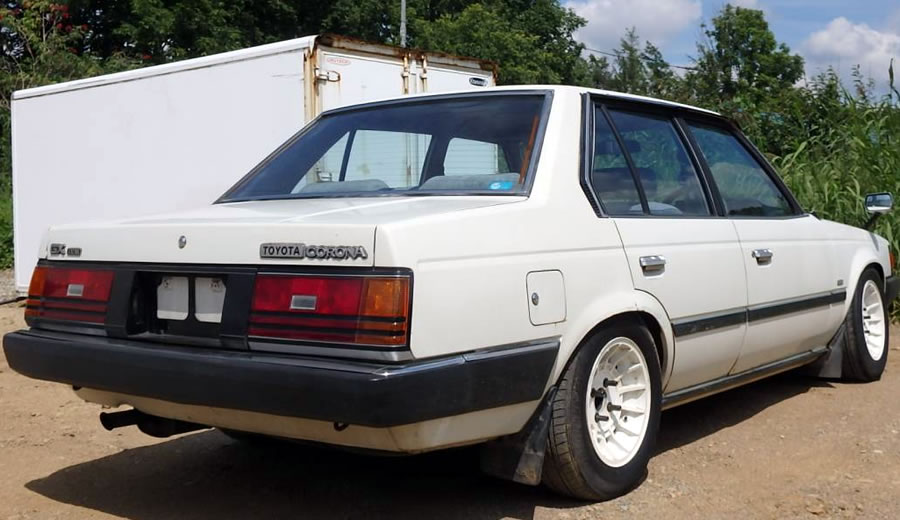
In January 1982, the seventh generation appeared with the code "T140". This is the last car with rear-wheel drive. The body was produced as a four-door sedan, five-door station wagon or van, and also a two-door coupe with a folding hardtop. The length of the car was 4570 mm, width 1660 mm, height 1415 mm and the unladen weight was 1165 kg. There was also a taxi version with a special body with a higher and more vertical roof and a more comfortable back seat. Assembly was carried out in Australia, New Zealand and Japan.

The range of petrol four-cylinder engines was updated and presented the following picture:
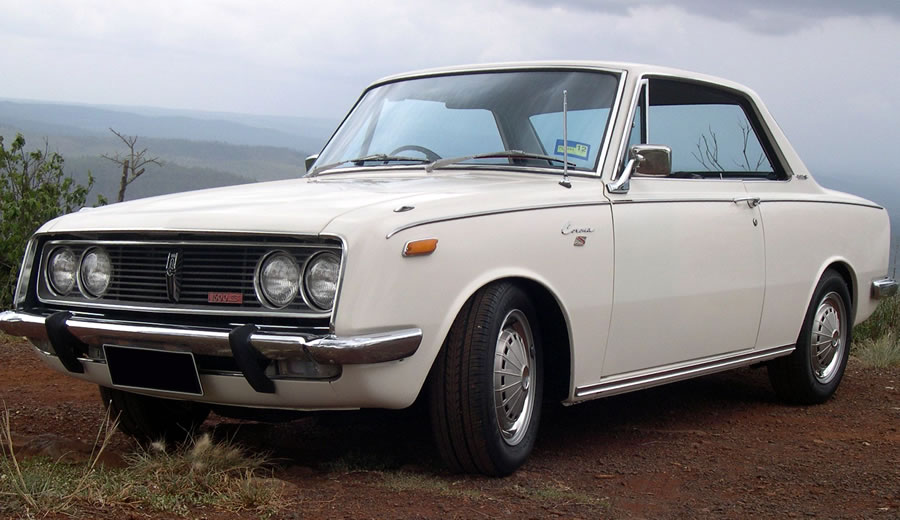
Crown Т140, sedan, view behind 
Crown Т140, sedan, view behind
  • 1.5 liters (1486 cm³, 5K-J, OHV) with a capacity of 82 hp.
  • 1.5 liters (1452 cm³, 3A-U, SOHC) with a capacity of 82 hp.
  • 1.6 liters (1587 cm³, 4A-GEU, DOHC) with a capacity of 114 hp.
  • 1.6 liters (1588 cm³, 2T, OHV) with a capacity of 75 hp.
  • 1.6 liters (1588 cm³, 12T-J) with a capacity of 88 hp.
  • 1.8 liters (1770 cm³, 3T-EU, OHV) with a capacity of 105 hp.
  • 1.8 liters (1770 cm³, 3T-GTEU, turbocharged) with a capacity of 160 hp.
  • 1.8 liters (1812 cm³, 2Y-P, OHV, LPG, taxi) with a capacity of 70 hp.
  • 1.8 liters (1812 cm³, 2Y-PU, OHV, LPG) with a capacity of 85 hp.
  • 1.8 liters (1832 cm³, 1S-U, SOHC) with a capacity of 100 hp.
  • 2.0 liters (1995 cm³, 2S-C) with a capacity of 98 hp.
  • 2.0 liters (1968 cm³, 18R-GEU, DOHC) with a capacity of 133 hp.
  • 2.4 liters (2366 cm³, 22R-E, SOHC) with a capacity of 97 hp.

Also for the first time, 1.8-liter diesel engines appeared (1839 cm³, 1C, SOHC, 64 hp) and 2.0 liters (1974 cm³, 2C-II, SOHC, 73 hp), both were in-line four-cylinder engines. The transmission was either a four- or five-speed manual or a three- or four-speed automatic.

Front wheel drive (T150, 1983-1987)


Crown Т150, sedan 
Crown Т150, sedan
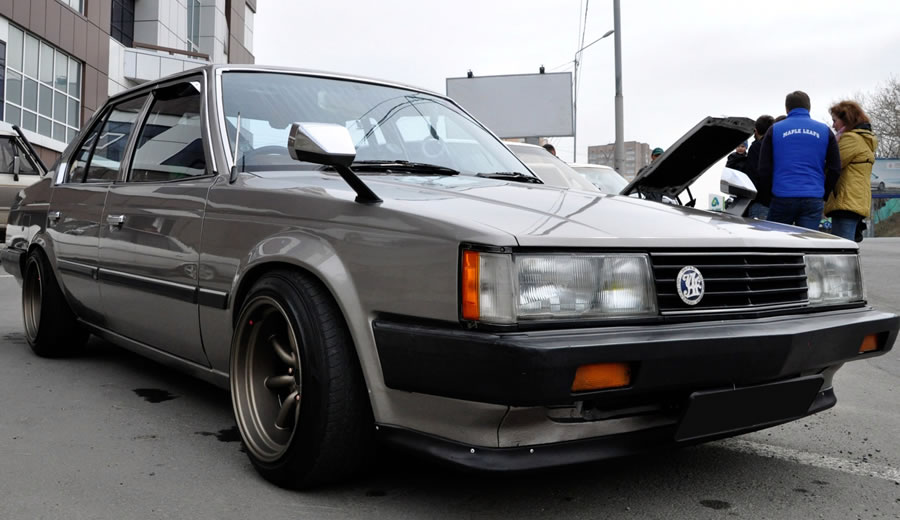
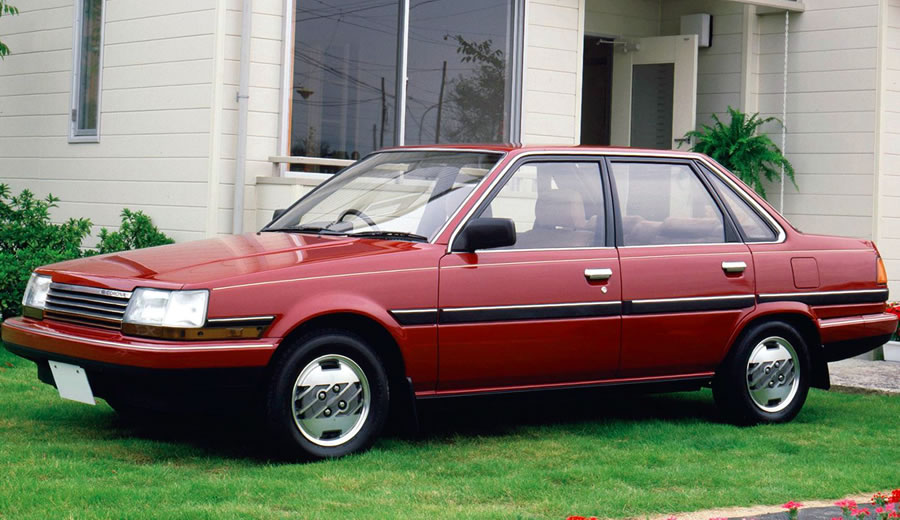
In January 1983, a front-engine, front-wheel drive model coded "T150", also called "Corona FF", was introduced. The front-wheel drive reduced the length of the car by 200 mm compared to the rear-wheel drive model "T140" produced in parallel. The body styles were a four-door sedan, a five-door liftback and a two-door coupe. The overall length of the car was 4360-4390 mm, the width 1670 mm, the height 1365 mm and the unladen weight 1005 kg. This car was the first Japanese car to use liquid crystal screens for the information instruments in the cabin. Assembly shops were located in Indonesia, New Zealand and Japan.

For front-wheel drive vehicles, updated four-cylinder petrol engines with the following characteristics were used:
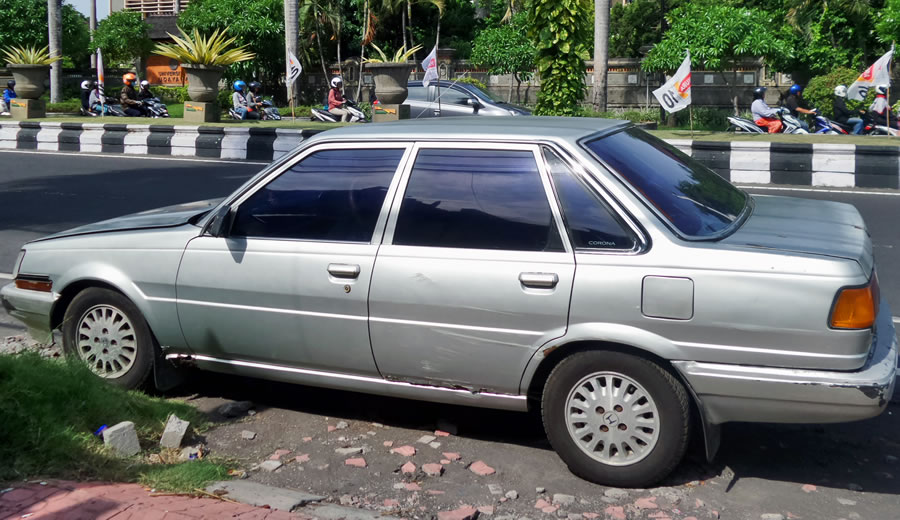
Crown Т150, sedan, view side 
Crown Т150, sedan, view side
  • 1.5 liters (1452 cm³, 3A-LU, SOHC) with a capacity of 70 hp.
  • 1.6 liters (1587 cm³, 4A-L/4A-LU, SOHC) with a capacity of 90 hp.
  • 1.8 liters (1832 cm³, 1S, SOHC) with a capacity of 100 hp.
  • 2.0 liters (1995 cm³, 2S-E, SOHC) with a capacity of 92 hp.
  • 2.0 liters (1998 cm³, 3S-GELU, DOHC) with a capacity of 138 hp.

There was also one 2.0-liter diesel engine (1974 cm³, 2C-L, SOHC) with a capacity of 73 hp.

In August 1985, the car was updated to include larger taillights. At the same time, the update of the nearest odnoklassniki was released — "Celica" and "Carina".

Corona Coupe (T160, 1985-1989)


Crown Т160, coupe 
Crown Т160, coupe
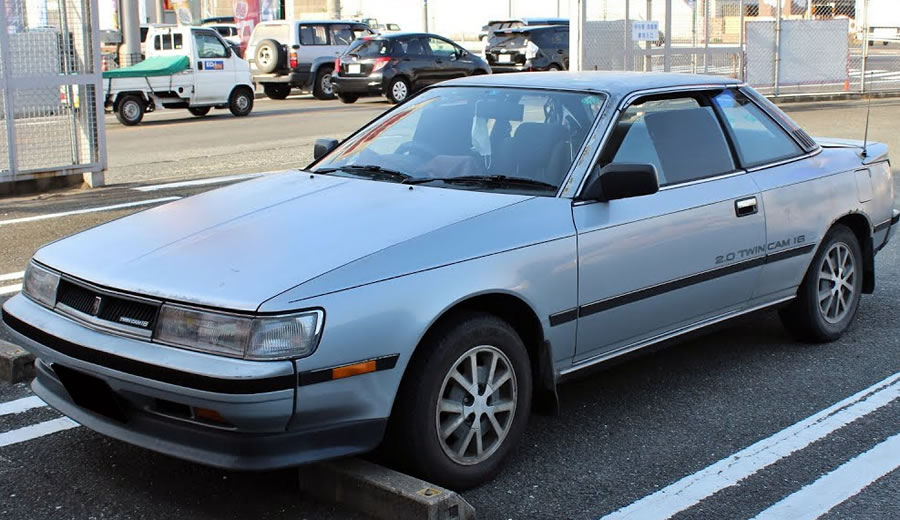
When the Celica was moved from its former rear-wheel drive A-series platform to a front-wheel drive platform "Corona T-series", the Celica sedan was renamed "Corona Coupe" in Japan, which was identical to the internationally marketed "Celica" with the only difference being that the retractable headlights were replaced with conventional fixed ones. The "T160" series cars have a longer wheelbase and a wider track (front and back), than the export "Celica". In 1993, this branch was called "Toyota Curren" on the T200 chassis, produced until 1998.

Eighth generation (T170, 1987-1992)


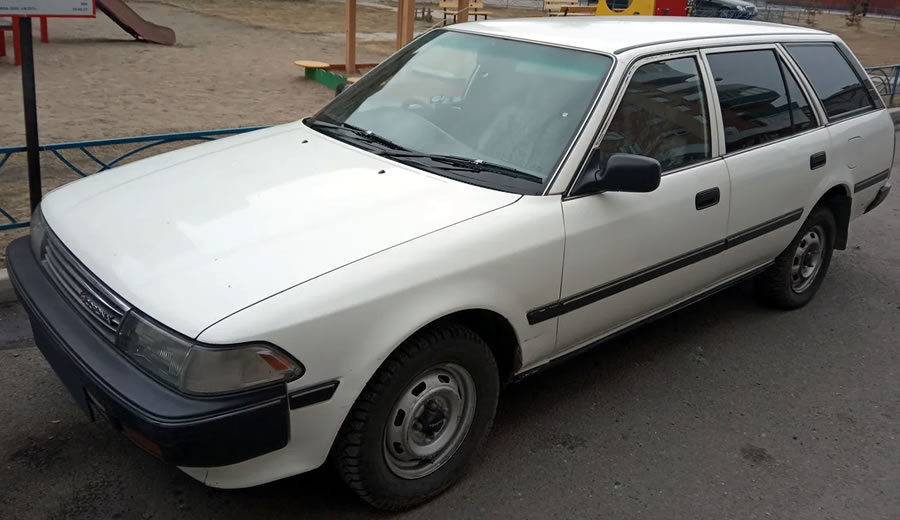
Crown Т190, wagon 
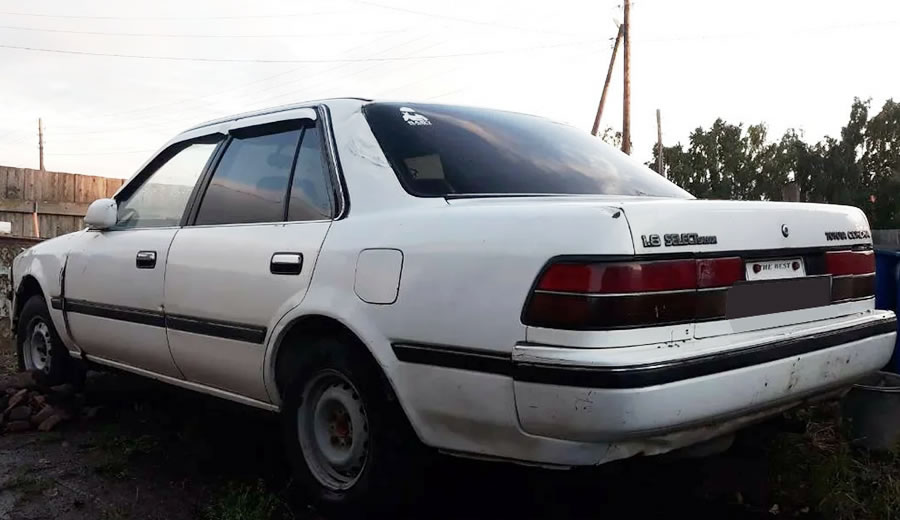
Crown Т190, wagon
In December 1987, the eighth generation was introduced with the code "T170". The rear-wheel drive was completely abandoned in favor of the front. The body was a four-door sedan, a five-door station wagon and a liftback (Corona SF). The dimensions of the car continued to grow and the length was 4440 mm, the width 1690 mm, the height 1370 mm and the curb weight was 1130 kg. In Europe, some modifications were sold under the name "Carina II". A four-door hardtop was also produced with the name "Corona EXiV" with chassis code "T180". In May 1990, 500 cars with the name were produced "Corona Super Roomy" 4690 mm long, which is dedicated to the 10 millionth sold "Corona" car. The "T170" was assembled in Japan, Indonesia, New Zealand and Taiwan.

Crown Т190, sedan, view behind 
Crown Т190, sedan, view behind
The four-cylinder petrol engines had the following characteristics:
  • 1.5 liters (1456 cm³, 3E, SOHC) with a capacity of 87 hp.
  • 1.5 liters (1498 cm³, 5A-F/5A-FE, DOHC) with a capacity of 85-104 hp.
  • 1.6 liters (1587 cm³, 4A-FE, DOHC) with a capacity of 113 hp.
  • 1.8 liters (1832 cm³, 1S-iLU, SOHC) with a capacity of 105 hp.
  • 1.8 liters (1838 cm³, 4S-FE, DOHC) with a capacity of 113 hp.
  • 2.0 liters (1998 cm³, 3S-FE, DOHC) with a capacity of 126 hp.
  • 2.0 liters (1998 cm³, 3S-GE, DOHC) with a capacity of 153 hp.

One 2.0 liter diesel engine was installed (1974 cm³, 2C, SOHC) with a capacity of 73 hp.

Ninth generation (T190, 1992-1997)


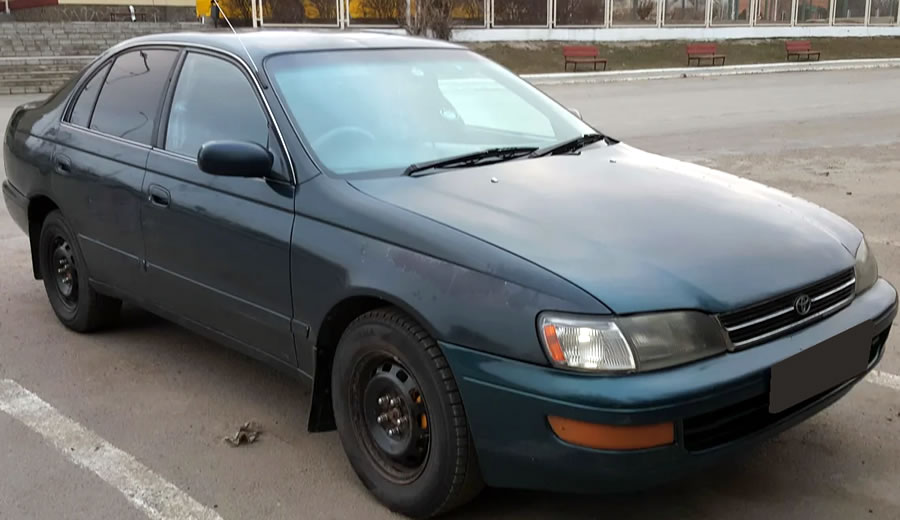
Crown Т190, sedan 
Crown Т190, sedan
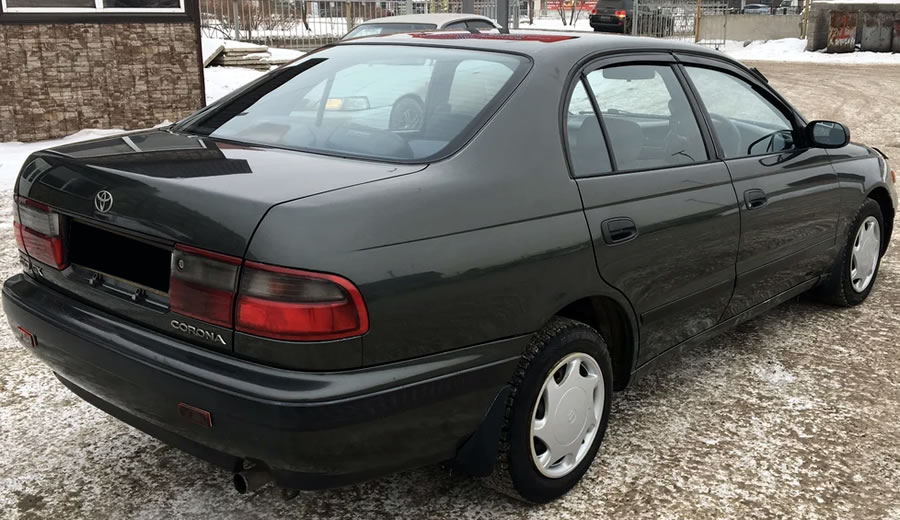
In March 1992, the ninth generation of the Corolla was introduced at the Geneva Motor Show with the chassis code "T190". In Europe, the car was known as the "Carina E", which replaced the "Carina II". Elsewhere, the car was sold as "Corona Absolute" (Indonesia) or "Corona Exsior" (Philippines, Taiwan and Thailand). The body was a four-door sedan, as well as a five-door station wagon and liftback (Corona SF). Since 1993, the station wagon has been a separate model called "Toyota Caldina". The length of the car was 4520 mm, width 1695 mm, height 1410 mm and the curb weight was 1200 kg, that is, the dimensions continued to increase. The exterior design became more rounded, following the automotive fashion of the 90s. The engine was located in the front, front-wheel drive, and all-wheel drive appeared for the first time. The car was assembled in Japan, Great Britain, Indonesia, New Zealand, Taiwan and the Philippines.

All four-cylinder petrol engines were equipped with fuel injection and were represented by the following models:
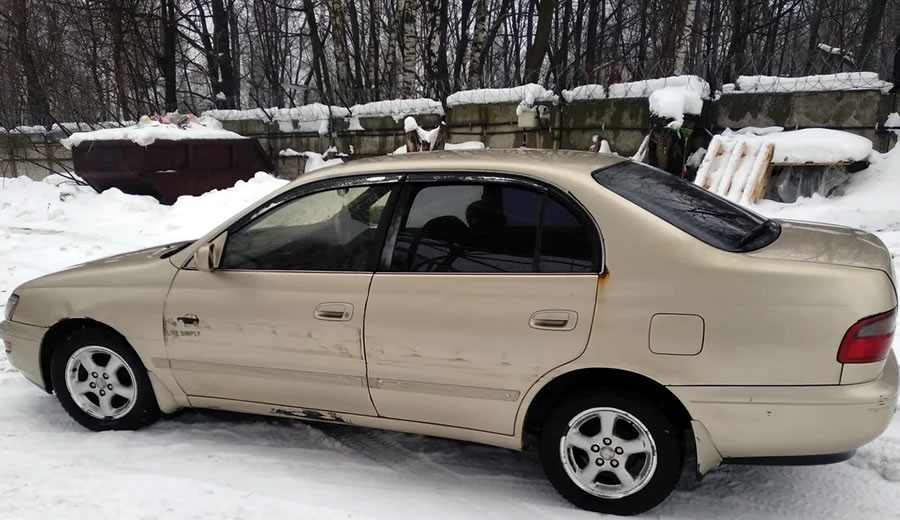
Crown Т190, sedan, view side 
Crown Т190, sedan, view side
  • 1.5 liters (1497 cm³, 5E-FE, DOHC) with a capacity of 93 hp.
  • 1.6 liters (1587 cm³, 4A-FE, DOHC) with a capacity of 113 hp.
  • 1.8 liters (1762 cm³, 7A-FE, DOHC) with a capacity of 120 hp.
  • 1.8 liters (1838 cm³, 4S-FE, DOHC) with a capacity of 125 hp.
  • 2.0 liters (1998 cm³, 3S-FE, DOHC) with a capacity of 126 hp.
  • 2.0 liters (1998 cm³, 3S-GE, DOHC) with a capacity of 178 hp.

Crown Т190, sedan, view behind 
Crown Т190, sedan, view behind
Diesel engines were presented in three models with the following characteristics:
  • 2.0 liters (1974 cm³, 2C, SOHC) with a capacity of 73 hp.
  • 2.0 liters (1974 cm³, 2C-T, SOHC, turbo) with a capacity of 91 hp.
  • 2.2 liters (2184 cm³, 3C-E, SOHC, injection) with a capacity of 79 hp.

The gearbox was either a four-speed automatic or a five-speed manual.

Tenth generation (T210, 1996-2002)
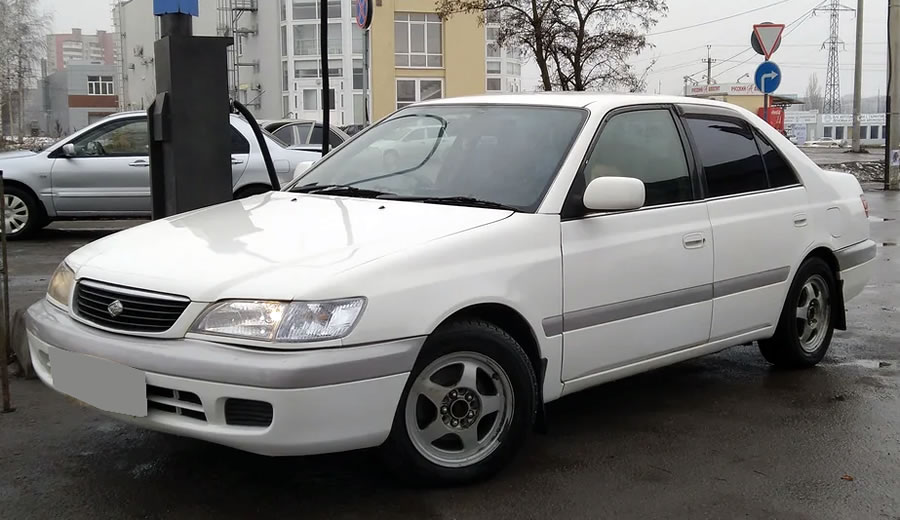


Crown Т210, sedan 
Crown Т210, sedan
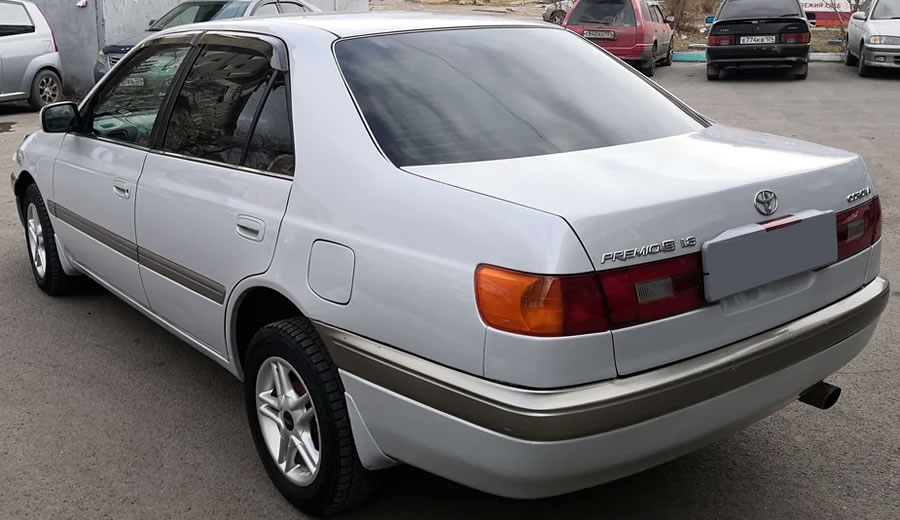
The tenth generation was the last to be produced under the name "Corona" since 1996 with the chassis code "T210". Model "Corona Premio" separated into a separate branch "Premio" or "Allion". The body was only a four-door sedan with a length of 4520 mm, a width of 1695 mm, a height of 1410 mm and a curb weight of 1190 kg. A five-door station wagon was also produced on this platform. "Caldina", which was the Japanese version of the European "Avensis". The engine was located in the front with front-wheel drive. There was a four-wheel drive model with the code "ST215". The cars were produced in Japan and Taiwan.

The range of petrol engines with direct injection consisted of the following models:
Crown Т210, sedan, view behind 
Crown Т210, sedan, view behind
  • 1.6 liters (1587 cm³, 4A-FE) with a capacity of 113 hp.
  • 1.8 liters (1762 cm³, 7A-FE) with a capacity of 120 hp.
  • 2.0 liters (1998 cm³, 3S-FE) with a capacity of 126 hp.
  • 2.0 liters (1998 cm³, 3S-GE) with a capacity of 197 hp.
  • 2.0 liters (1998 cm³, 3S-GTE, turbo) with a capacity of 256 hp.

Until 1998, the diesel engine had a capacity of 2.0 liters (1974 cm³, 2C-T, SOHC, turbo) with a capacity of 91 hp, and then a 2.2-liter engine was installed (2184 cm³, 3C-T, SOHC, turbo) with a capacity of 100 hp.

Eleventh generation (T220, 1997-2002)


The car with the code "T220" ceased to be called "Corona". The body was a four-door sedan and a five-door liftback, which were sold under the name "Avensis", as well as a five-door station wagon "Caldina", based on the tenth generation platform "T210".


Toyota Avensis (1997-present)


Toyota Avensis — a mid-size car (D-segment) of the Japanese automaker "Toyota Motor", produced from 1997 to the present. It is a direct successor to the ninth generation "Corona" with the code "T190", called in Europe "Carina E". In Japan, it is considered a high-end vehicle. It is available in sedan, station wagon and liftback body styles. There is also a minivan (MPV) called "Avensis Verso". The name "Avensis" comes from the French term "avancer", which means "to move forward".

First generation (T220, 1997-2003)


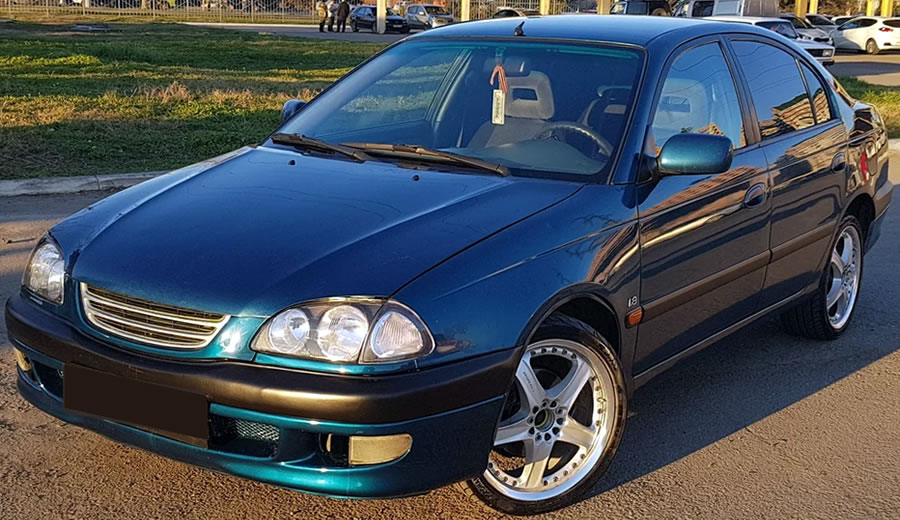
Avensis Т220, sedan 
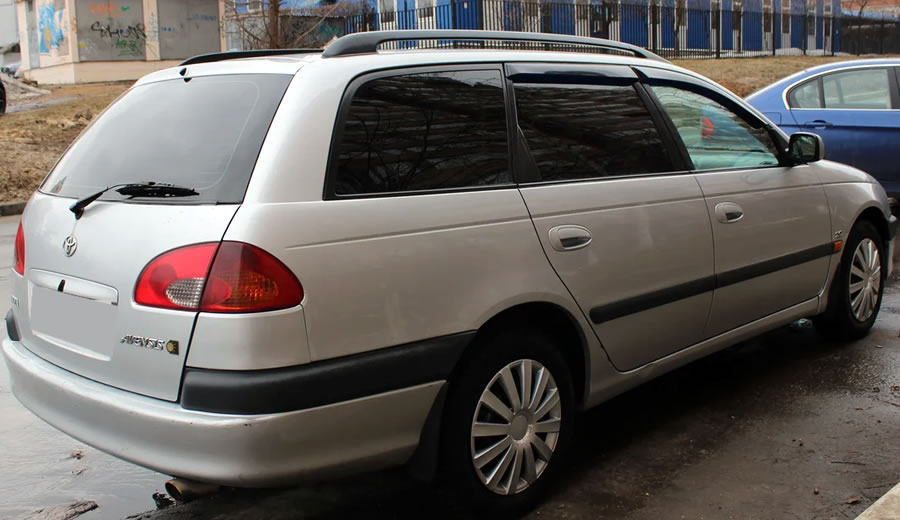
Avensis Т220, sedan
In October 1997, the first generation of the Avensis was launched at the Toyota plant in Great Britain. The design of the car was completely redesigned. The body was a four-door sedan, a five-door station wagon and a liftback (hatchback). The length was 4520-4600 mm, the width was 1710 mm, the height was 1425-1500 mm. In Argentina and Brazil, the car was sold as "Corona", and in Chile and Peru it was sold as "Corona Avensis". In 2001, a minivan with the name appeared "Avensis Verso". In October 2000, the model was restyled.

Avensis Т220, wagon 
Avensis Т220, wagon
The petrol engines were four-cylinder with the following parameters:
  • 1.6 liters (1587 cm³, 4A-FE) with a capacity of 109 hp.
  • 1.6 liters (1598 cm³, 3ZZ-FE) with a capacity of 109 hp.
  • 1.8 liters (1762 cm³, 7A-FE) with a capacity of 109 hp.
  • 1.8 liters (1794 cm³, 1ZZ-FE) with a capacity of 127 hp.
  • 2.0 liters (1998 cm³, 3S-FE) with a capacity of 126 hp.
  • 2.0 liters (1998 cm³, 1AZ-FSE) with a capacity of 148 hp.

There were also two 2.0-liter four-cylinder diesel engines (1974 cm³, 2C-TE) with a capacity of 89 hp and 2.0 liters (1995 cm³, 1CD-FTV) with a capacity of 109 hp. The transmission was a four-speed automatic and a five-speed manual.

Second generation (T250, 2003-2009)
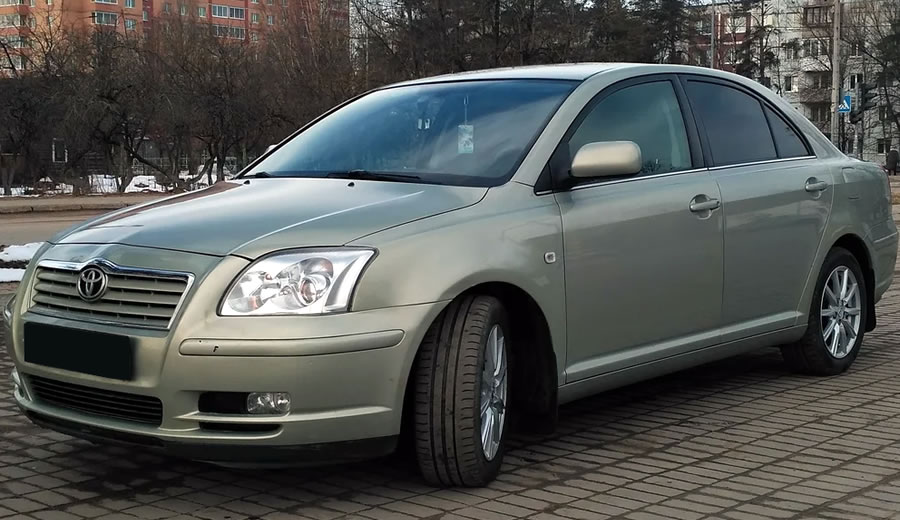


Avensis Т250, sedan 
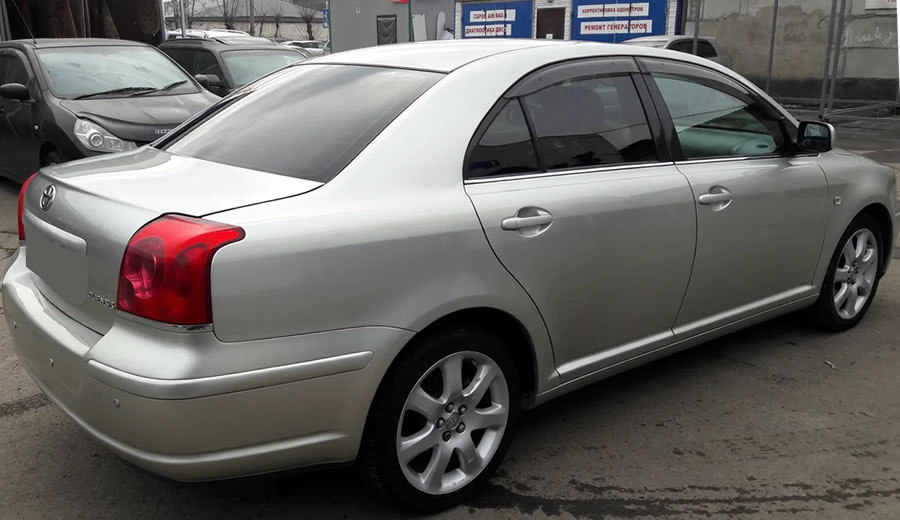
Avensis Т250, sedan
In February 2003, the second generation of Avensis with the code "T250" was presented. The exterior design was seriously redesigned. Based on the "Toyota MC" platform. The body shapes were the same as the first generation. The external dimensions continued to increase: the length was 4645-4715 mm, the width 1760 mm, the height 1480-1525 mm. Since 2004, it has become the largest "Toyota" sedan in Europe after the end of deliveries there "Camry". In 2003, the "Avensis" became the first Japanese car to receive a five-star rating in "Euro NCAP" testing with 34 total points. It also became the highest rated car in the history of the test. It was also the first car in Europe with knee airbags.

Crown Т250, sedan, view behind 
Crown Т250, sedan, view behind
The petrol engines were four-cylinder, all with variable valve timing (VVT-i) and the following volumes and powers: 1.6 litres (1598 cm³, 3ZZ-FE, 109 hp), 1.8 liters (1794 cm³, 1ZZ-FE, 127 hp), 2.0 liters (1998 cm³, 1AZ-FSE, 145 hp) and 2.4 liters (2362 cm³, 2AZ-FSE, 161 hp). There were also four 2.0-liter diesel engine models (1995 cm³, 1CD-FTV, 114 hp), 2.0 liters (1998 cm³, 1AD-FTV, 125 hp), 2.2 liters (2231 cm³, 2AD-FTV, 148 hp) and 2.2 liters (2231 cm³, 2AD-FHV, 174 hp). The gearbox was a five-speed manual and a four-speed automatic.

In June 2006, the model was updated. The radiator grille, front bumper, rear-view mirrors with built-in turn signals were changed, an audio system with MP3 audio format support was installed, and the headlights became with automatic light switching.

Third generation (T270, 2009-present)


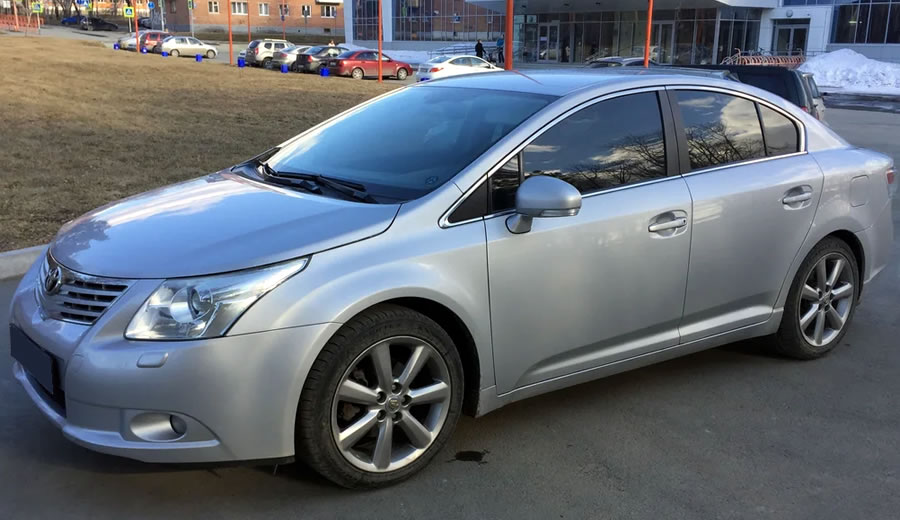
Avensis Т270, sedan 
Avensis Т270, sedan
In October 2008, the third generation of the Avensis with the code "T270" was shown at the Paris Motor Show, and sales began in January 2009. Production was also carried out only in the UK. The body styles remained a four-door sedan (length 4695 mm) and a five-door station wagon (4780 mm). The width was 1810 mm, the height was 1480 mm and the curb weight was 1440 kg. The car was built on a platform "Toyota New MC". The aerodynamics have been seriously worked on and the drag coefficient is only 0.28. The suspension has also been improved for sporty handling while maintaining a high level of comfort. The basic package includes bi-xenon headlights, an adaptive front lighting system, adaptive cruise control and seven airbags.

There are three 1.6-liter petrol engine models left (1598 cm³, 1ZR-FAE, 130 hp), 1.8 liters (1798 cm³, 2ZR-FAE, 145 hp) and 2.0 liters (1987 cm³, 3ZR-FAE, 150 hp). The range of diesel engines includes the following models:
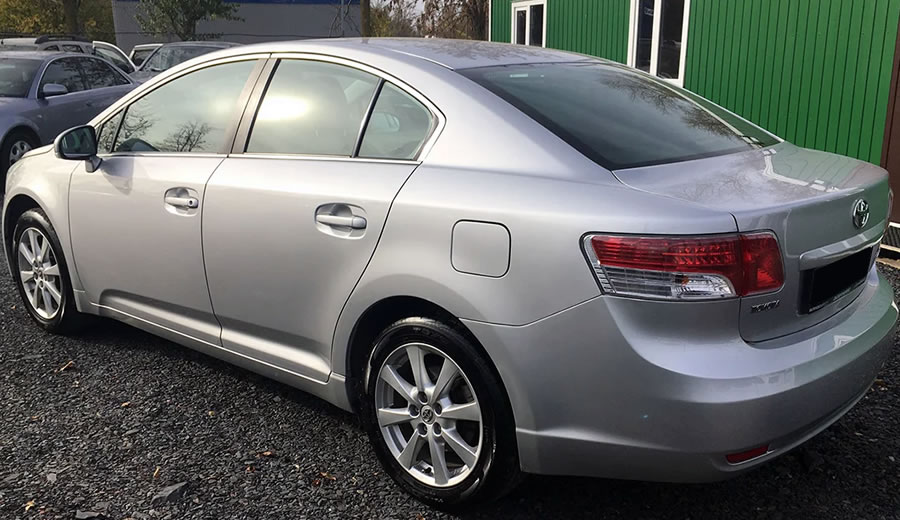
Avensis Т270, sedan, view behind 
Avensis Т270, sedan, view behind
  • 1.6 liters (1598 cm³, 1WW, 110 hp)
  • 2.0 liters (1998 cm³, 1AD-FTV, 122 hp)
  • 2.0 liters (1998 cm³, 1AD-FTV, 125 hp)
  • 2.0 liters (1995 cm³, 2WW, 141 hp)
  • 2.2 liters (2231 cm³, 2AD-FTV, 148 hp)
  • 2.2 liters (2231 cm³, 2AD-FHV, 174 hp)

The gearbox was equipped with a six-speed manual, six-speed automatic or continuously variable transmission "Multidrive S" (CVT).

In January 2012, the first update of the model was carried out, which was shown at the Frankfurt Motor Show in September 2011. The radiator grille and taillights were changed. The second modernization was carried out in June 2015. The presentation of this car took place at the Geneva Motor Show in March 2012. The radiator grille, rear part, headlights, taillights and interior were changed.

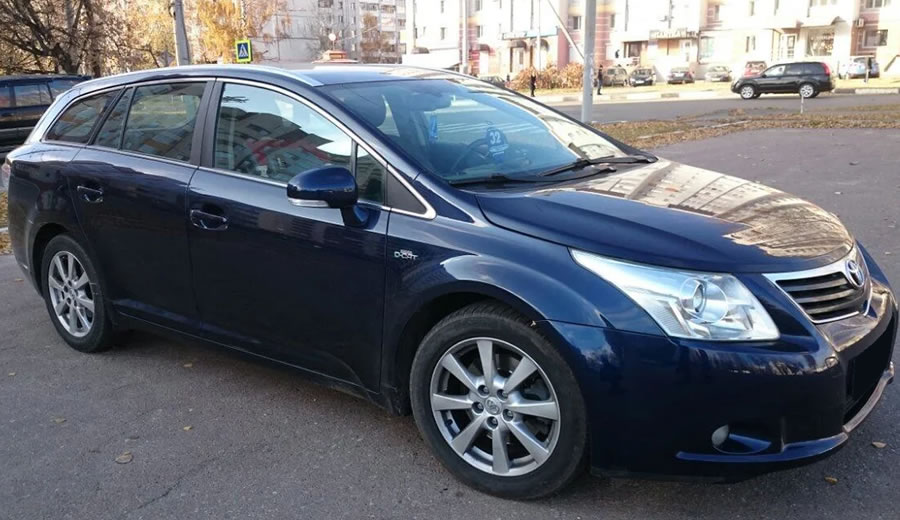
Avensis Т270, wagon 
Avensis Т270, wagon
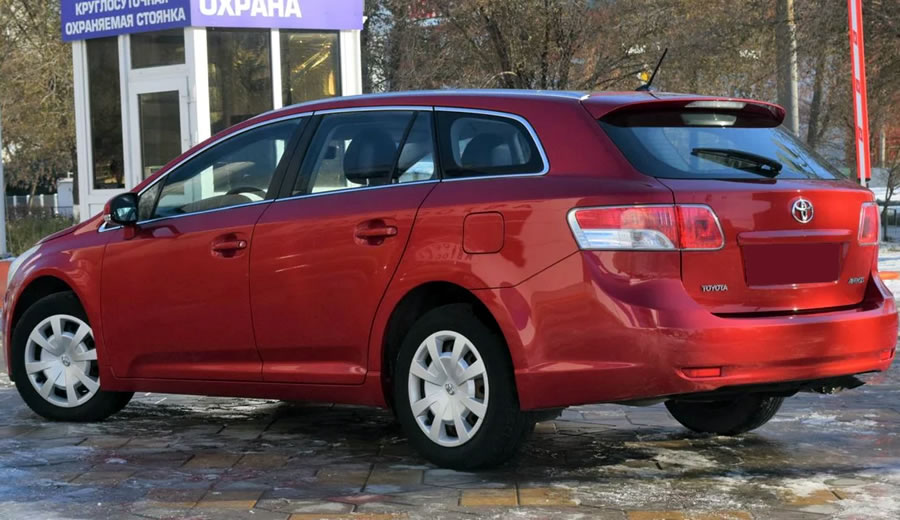
Avensis Т270, wagon, behind 
Avensis Т270, wagon, behind
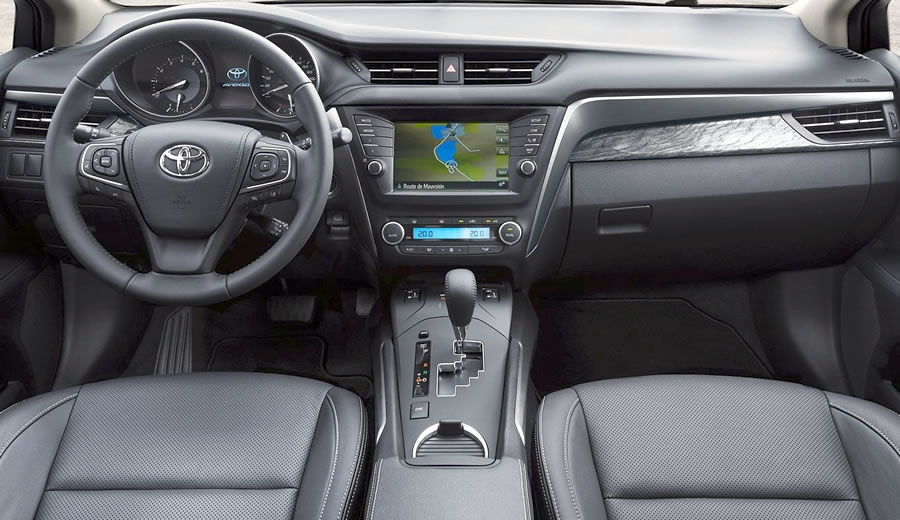
Avensis Т270, interior 
Avensis Т270, interior
Share information:
Link in different formats to this article
TEXTHTMLBB Code
Corona T190 (1992-1997) 
  • General information
  • User manual
  • Maintenance
  • Power unit
  • Engines 3S-FE/GE and 4S-FE
  • Engines 4A-FE and 7A-FE
  • Engines 5E-FE
  • Diesel engines 2C and 2C-T
  • Engine overhaul
  • Cooling system
  • Lubrication system
  • Fuel injection (petrol)
  • Control system (petrol)
  • Fuel system (diesel)
  • Turbo diesel
  • Ignition system
  • Engine electrical equipment
  • Transmission
  • Clutch
  • Mechanical gearbox
  • Automatic gearbox
  • Drive shafts and cardan
  • Chassis, running gear
  • Front suspension
  • Rear suspension
  • Steering
  • Brake system
  • Body and interior
  • Body and interior elements
  • Doors, windows and locks
  • Heating and air conditioning
  • Electrical equipment
  • Equipment and devices
  • Lighting and signaling
  • Electrical circuits
ToyotaMan.ru © 2018–2026 • Mobile version • Interesting about Toyota • Administration • Sitemap: EN BG BY UA RS HR RO PL SK HU • Search system • Bookmark
Camry Vista-V40 • Camry XV10 • Camry XV20 • Camry XV30 • Corolla Verso-AR10 • Corolla E80 • Corona T190 • Carina T170 • Carina T190 • Land Cruiser J70 (diesel) • Land Cruiser J60 (petrol) • Land Cruiser J100 • Highlander XU20 (petrol) • 4Runner N120 • RAV4 XA10 • Duet M100 • Dyna Y50 •
We require cookies to enable some interactive features. Is that ok with you?