



Note: Recommended frequency: every 24,000 km or 12 months.
Warning! Gasoline is extremely flammable. Smoking, using open flames, sparking devices, or open fire-hazardous lighting devices are prohibited when working with fuel system components. Avoid creating sparks when handling wires and electrical devices.
Warning: Since gasoline is a carcinogen, avoid contact with your body or your vehicle's paintwork. In this case, immediately wash the affected area with soap and water.
Caution! The fuel system is under pressure, so before disconnecting the lines, it is necessary to relieve the pressure in the fuel system.
If you smell gasoline, inspect the fuel system immediately.
Open the fuel filler cap and inspect it for damage and corrosion. The cover gasket must be elastic and not damaged, otherwise replace it.
Inspect the fuel supply and return hoses for cracks or damage. If there is any damage, replace them.
Check the tightness of the connecting nuts securing the pipes to the fuel distribution line and the fuel filter.
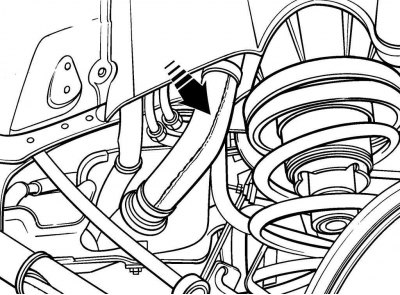
Figure 2.23. Location of the hose connecting the fuel tank and the fuel filler neck
To inspect the fuel tank and the fuel lines connected to it, raise the vehicle on a lift. Pay special attention to the hose connecting the fuel tank and the fuel filler neck (figure 2.23).
The material is reprinted from an online resource www.toyotaman.ru
Never attempt to repair the fuel tank yourself. Using a welding torch or open flame may cause fuel vapors accumulated in the tank to explode.