



Checking the cooling system

1. Many serious engine malfunctions can be caused by inefficient cooling system operation. In vehicles equipped with an automatic transmission, the cooling system also cools the transmission fluid, thus playing an important role in extending the life of the automatic transmission.
2. The cooling system must be checked with the engine cold. This can be done before leaving or after at least three hours have passed since the engine was turned off.
3. Remove the radiator cap by turning it to the left until it stops. If you hear a hissing sound, (indicating that the system is still under pressure), wait until it stops. Now press the lid with your palm and continue turning it to the left until you can remove the lid. Rinse the cap thoroughly inside and out with clean water, and also wipe the radiator filler neck. All traces of corrosion must be removed. The coolant inside the radiator should be relatively clear. If it is rusty in color, it needs to be drained from the system and replaced (see paragraph 25). If the fluid level does not reach the upper mark, add a mixture of antifreeze and water (see "Weekly checks").
4. Carefully inspect the upper and lower radiator hoses and, along with them, the smaller diameter interior heater hoses that run from the engine to the firewall. Check each hose along its entire length and replace any that are cracked, bulging or soft to the touch. The cracks become more visible if the hose is compressed (see Figure 11.4).
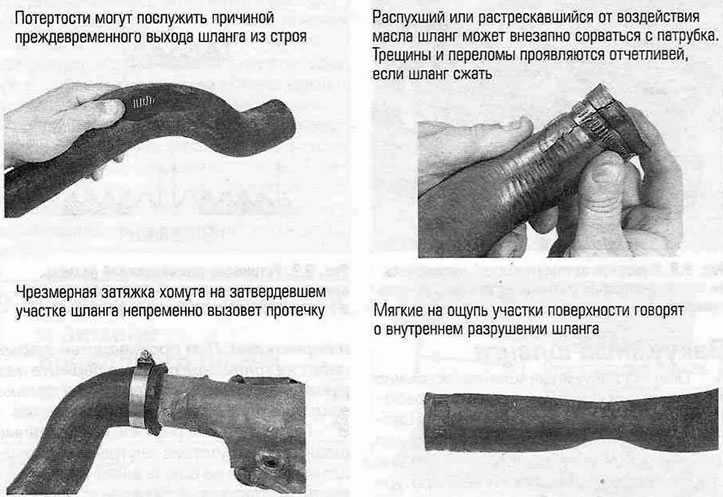
Figure 11.4. Hoses, like drive belts, have a tendency to fail at the most inopportune times - to reduce the likelihood of inconvenience associated with a burst radiator or heater hose, check the condition of the hoses regularly.
Regardless of the condition of the hoses, it is recommended to replace them every two years.
5. Check the tightness of the clamps on all hoses. Cooling system leaks typically appear as white or rusty colored deposits on surfaces adjacent to the leak. If wire clamps are used to secure the hoses, it is recommended to replace them with more reliable worm clamps.
6. Remove leaves, small insects, etc. from the front panel of the radiator and the air conditioner condenser using compressed air or a soft brush, being careful not to damage the fragile honeycomb or cut yourself on it.
7. At the first suspicion of a leak in the cooling system, check the serviceability of the valves in the expansion tank/radiator cap by performing a pressure test of the system. If you don't have an air compressor with a pressure gauge, this can be done at most auto repair shops.
[The text is quoted from the source website: TOYOTAMAN]