



2. Check the pipes and their connections for signs of leaks, severe corrosion or damage. Make sure that all brackets and hangers are in good condition and securely tightened (Fig. 14.2).
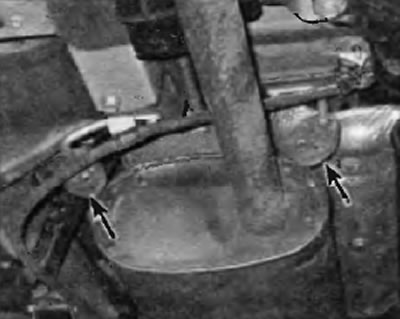
Fig. 14.2. Check the exhaust system for damage or wear of the rubber suspension mounts
3. At the same time, inspect the underbody for holes, corrosion, open seams, etc., which may lead to exhaust gases entering the car's interior. Seal all holes in the body with silicone or body putty.
4. Analysis of the rattling and other noises from the part indicates that the cause is the exhaust system, especially its supports and brackets. Try moving the pipes, muffler and catalytic converter. If the elements can touch the body or suspension elements, secure the exhaust system using new supports.
5. Check the engine's operating condition by inspecting the inside end of the exhaust pipe. Deposits in the exhaust system are an indication of the engine's condition. If the pipe is black and covered with soot or white deposits, the engine requires service, including a full inspection of the fuel system.