



Caution: If the vehicle is equipped with electronically controlled air suspension, turn off the height control switch before raising the vehicle.
1. Loosen the rear wheel mounting nuts. Raise the rear of the car and place reliable supports underneath it. Remove the rear wheels.
2. Remove the heat shield from the exhaust system.
3. Disconnect the stabilizer links from the stabilizer (Fig. 9.3). If the stud with the ball head turns together with the nut, use an Allen key to hold the stud.
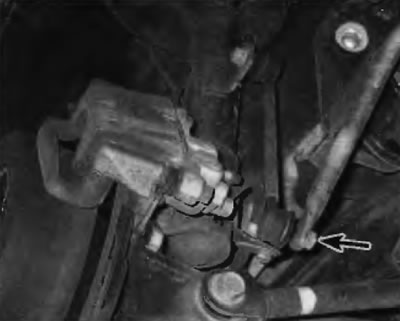
Fig. 9.3. To disconnect the stabilizer bar from the stabilizer, unscrew the lower nut
4. Unscrew the bolts securing the stabilizer bushing clamps. If necessary, remove the two clamp brackets from the body.
5. Now you can remove the stabilizer from the car. Remove the bushings from the stabilizer, having previously marked their positions.
6. Check the bushings for wear, hardening, deformation, cracks and other signs of deterioration. Replace them if necessary. Check the stabilizer links as described in paragraph 2. When installing the bushings, the cut should face up.
7. Using a wire brush, clean the areas of the stabilizer that mate with the bushings. Lubricate the inside and outside of the new bushings with vegetable oil.
(The official source is on the portal: TOYOTAMAN)
Caution: Do not use petroleum or mineral based lubricants or brake fluid. This will deteriorate the bushings.
8. Installation is performed in the reverse order of removal.