



2. Normal tread wear can be monitored with a simple and inexpensive device known as a "tread depth indicator" (Fig. 5.2). When the tread depth reaches approximately 16 mm, the tire should be replaced (it is preferable to do this earlier).
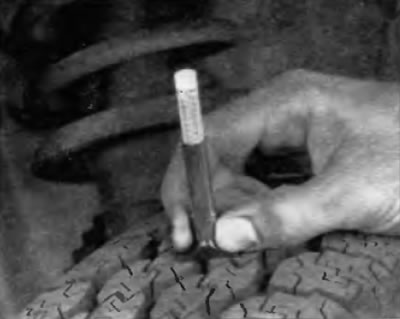
Fig. 5.2. Use a tread depth indicator to monitor tire wear. It can be purchased at auto parts stores and service stations
3. Look for any abnormal tread wear (Fig. 5.3). Tread defects such as one-sided wear, wear spots and uneven wear (on one side more than on the other), are a sign of incorrect wheel alignment and/or wheel balancing issues. If any of these conditions occur, contact a service station that has the proper equipment to correct the problem.
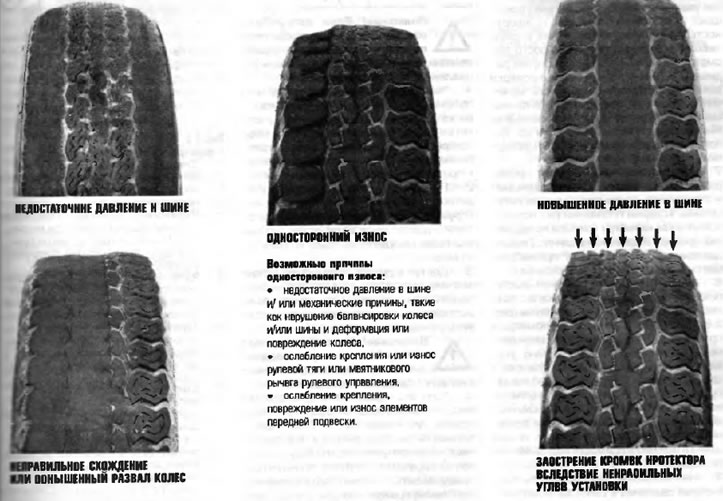
Fig. 5.3. This drawing will help with a certain tire condition, show possible causes of abnormal wear and suggest necessary corrective actions
4. Inspect the tire carefully for cuts, punctures, or nails embedded in the tire. Sometimes a tire will hold air pressure for a while or leak air very slowly even after a nail has penetrated the tread. If there is a slow leak, check the valve stem to make sure it is tight (fig. 5.4,a). Inspect the tread for any objects that may have become embedded in the tire or for any "plugs" that may be starting to leak (punctures in radial tires are repaired by installing a special plug in the puncture site). If a puncture is suspected, it can be easily identified by applying a soapy water solution to the puncture area (fig. 5.4,b). If there is a leak, the soap solution will bubble. If the puncture is not very large, a tire shop may be able to repair the punctured tire.
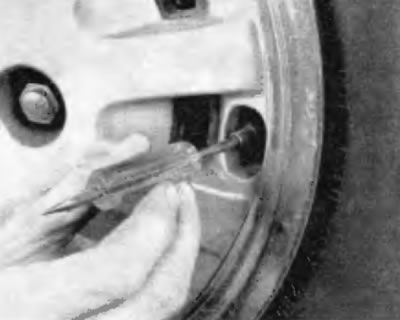
Fig. 5.4,a. If the tire constantly leaks air, first check the valve to ensure it is tight (auto parts stores usually sell inexpensive special keys for this purpose)
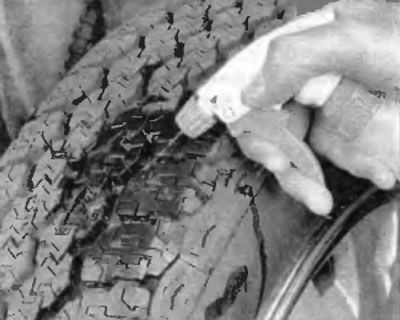
Fig. 5.4, b. If the valve is leaking, lift the corner of the car with the flat tire and apply a soapy water solution to the tread while slowly turning the wheels. Slow leaks will cause small bubbles to appear
5. Carefully inspect the inside sidewall of each tire for signs of brake fluid leakage. If any, inspect the brakes immediately.
6. Correct tire pressure increases tire life, mileage, and ride comfort. Tire pressure cannot be accurately assessed by simply looking at the tire, especially with radial tires. Therefore, a pressure gauge should be used to check the pressure. Keep an accurate pressure gauge in your storage compartment. Pressure gauges mounted on air hoses used in tire shops are often inaccurate.
7. Tyre pressure should be checked when the tyres are cold. "Cold" in this case means that the tyres are on a vehicle that was last used at least three hours ago, before the tyre pressure was checked. An increase in pressure of 0.3-0.6 kg/cm² when the tyres warm up is not unusual.
8. Unscrew the valve cap that protrudes from the wheel or hubcap and push the pressure gauge firmly onto the valve (Figure 5.8). Take a reading from the pressure gauge and compare this reading with the recommended tire pressure value indicated on the appropriate label in the glove compartment ("glove box"). Do not forget to replace the valve cap to prevent dirt and moisture from entering the valve spool mechanism. Check all four tires and pump them up to normal if necessary.
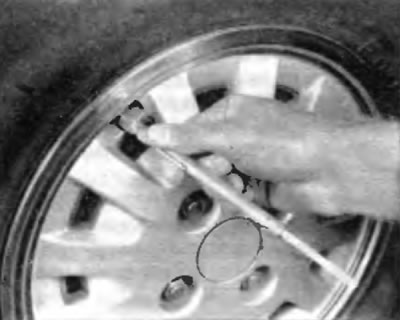
Fig. 5.8. To extend the life of your tires, check the pressure at least once a week using an accurate pressure gauge (don't forget about the spare tire!)
9. Remember to maintain the correct pressure in the spare tire (refer to the owner's manual that came with your vehicle). Keep in mind that the air pressure prescribed for a small spare wheel ("dokatki") is significantly higher than the normal pressure for regular tires.