



Caution: If the vehicle is equipped with electronically controlled air suspension, turn off the ride height control switch.
1. Frequent oil changes are the best preventative maintenance for engine failure that a car owner can do on their own, because as the oil "ages", it becomes more diluted and contaminated, which leads to premature engine wear.
2. Before starting this procedure, make sure you have all the necessary tools (Fig. 6.2). Also, prepare a sufficient number of rags or newspapers to remove splashes and spilled oil.
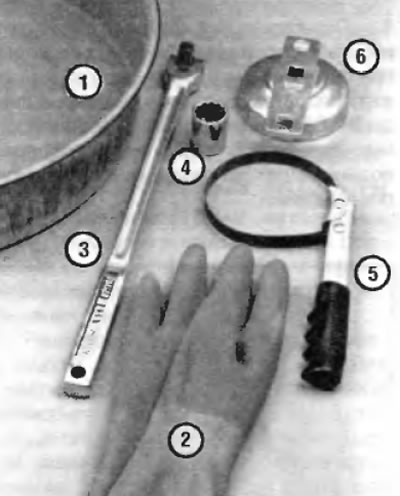
Fig. 6.2. When changing the engine oil and filter, you will need these tools:
1. Drainage container - it should be shallow enough in depth, but wide enough to prevent oil from spilling
2. Rubber gloves - when removing the drain plug and filter, oil will inevitably get on your hands (gloves will prevent burns)
3. Socket extension - sometimes the oil drain plug is quite tight and you will need an extension to loosen it
4. Socket head - should not be used with extension or ratchet handle (the size must match the drain plug)
5. The filter wrench is a metal strap wrench that must have some clearance relative to the outer surface of the filter to work effectively
6. Filter Wrench - This wrench fits onto the base of the filter and can be turned using a ratchet or extension (see above) (different sizes of keys are available for different filter types)
3. Access to the bottom of the car can be significantly facilitated if the car is raised on a lift, placed on an overpass, or placed on reliable supports using a jack.
Warning: Do not work under a vehicle that is supported only by a hydraulic jack or trolley jack.
4. If this is your first oil change, familiarize yourself with the location of the oil drain plug. The engine and exhaust components will be quite hot when the actual work is done, so try to anticipate any potential problems before the engine and other components get hot.
5. Park the car on a level, horizontal surface. Start the loop days and allow it to reach normal operating temperature (the arrow on the temperature gauge should be at least above the lower mark). Warm oil and sediment will flow out easier. Once the engine is warm, turn it off. Remove the filler cap.
6. Raise the vehicle and place secure supports underneath it.
Warning! To avoid injury, never work under a vehicle that is supported only by a jack. The jack supplied with the vehicle is intended solely for lifting the vehicle for the purpose of removing and replacing a tire. Always place secure supports underneath the vehicle to support it when you intend to work under it.
7. Be careful not to touch the hot exhaust system components, place a drain pan under the drain plug on the bottom of the oil pan and unscrew the plug (Fig. 6.7). If the engine is really hot, you can use gloves when unscrewing the plug by hand during the last few revolutions.
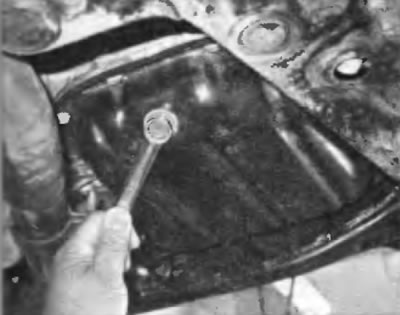
Fig. 6.7 Use the correct size open-end wrench or socket to remove the oil drain plug without rounding the corners
8. Allow the oil to drain into a container. Note that as the oil flow slows to a trickle, you may need to move the container. Inspect the drained oil for metal filings or other small particles.
9. Once all the oil has been drained, wipe the drain plug with a clean rag. Even the smallest metal particles stuck to the plug will immediately contaminate the new oil.
10. Clean the area around the drain hole. Screw in the drain plug and tighten it securely, but be careful not to strip the threads.
11. Move the drain pan under the oil filter.
12. Remove all tools, rags, etc. from under the vehicle, but be careful not to spill any oil in the drain pan. Lower the vehicle.
13. Release the oil filter (fig. 6.13, a, b), turning it counterclockwise with a special key. As soon as the filter goes freely, completely unscrew it with your hands and remove it from the cylinder block. After disconnecting the filter from the block, immediately tilt it with the open end upwards so that the oil contained in the filter does not leak out.
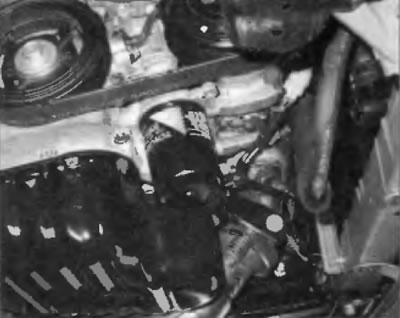
Fig. 6.13, a. Location of the oil filter on four-cylinder models
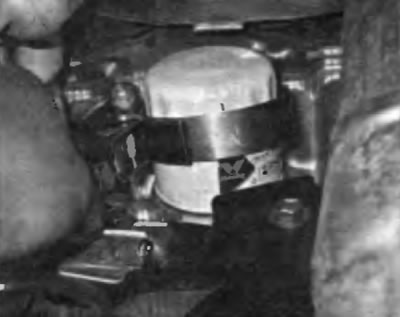
Fig. 6.13, b. On V6 models, the oil filter is mounted on the side of the cylinder block. Since it is usually tightened very tightly, you will need a special wrench to remove it. DO NOT use this wrench to tighten the new filter
Caution! The engine exhaust manifold may still be very hot, so be careful.
14. Wipe the bearing surface on the block with a clean rag. If the "old" oil is allowed to remain on the block, it will smoke when the block heats up. It will also prevent the new filter from installing correctly. Also remove any remnants of the old gasket from the bearing surface. If necessary, this can be done with a scraper.
15. Compare the old filter with the new one to make sure they are the same type. Apply a small amount of engine oil to the rubber gasket of the new filter and install it in place (Fig. 6.15). Excessive tightening of the filter will damage the gasket, so do not use a filter wrench when tightening. Most filter manufacturers recommend tightening the filter by hand only. Typically, the filter should be tightened 3/4 of a turn after the gasket makes contact with the block. Follow the instructions included with the filter or on its housing.
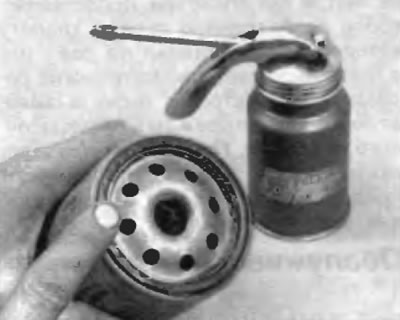
Fig. 6.15. Before installing the oil filter on the engine, lubricate the filter gasket with clean engine oil
16. Pour fresh oil into the engine through the oil filler neck in the cylinder head cover. Use a funnel to avoid spilling oil on the engine. Fill the engine with approximately 2.8 liters of fresh oil. Wait a few minutes for the oil to drain into the pan, and then check the oil level using the dipstick (if necessary see paragraph 4). If the oil level is approximately at the F mark, install the filler cap, tighten it finger tight, start the engine and allow new oil to fill the engine lines.
17. Let the engine run for about a minute. With the engine running, look underneath the vehicle and check for leaks around the oil pan drain plug and around the oil filter. If there is a leak, stop the engine and tighten the plug or filter slightly.
18. Wait a few minutes for the oil to drain into the pan, then check the level again on the dipstick and, if necessary, add oil in an amount sufficient to bring the level to the F mark.
19. During the first few trips after an oil change, check the engine for leaks and check the oil level more frequently.
20. Used oil drained from the engine cannot be reused and must be disposed of. After the oil has cooled, it can be drained into a suitable container (a plastic bottle with a cork, a cardboard milk carton, etc.) for transport to one of the disposal sites. Dispose of drained oil properly. Do not drain oil onto the ground or into the sewer!