



Warning! When checking and servicing the battery, it is necessary to take precautions. The battery cells always contain hydrogen gas, which is highly flammable, so do not approach the battery with a lit cigarette or bring any other source of open flame or sparks near it. The electrolyte inside the battery is diluted sulfuric acid, which causes injury if it comes into contact with the skin or eyes. The electrolyte also causes damage to clothing and paintwork. When removing battery cables, always disconnect the ground cable first and connect it last!
Service
1. Routine battery maintenance is the only way to ensure fast and reliable engine starting. But before performing any battery maintenance, make sure you have the proper equipment to work safely around the battery (Fig. 7.1).
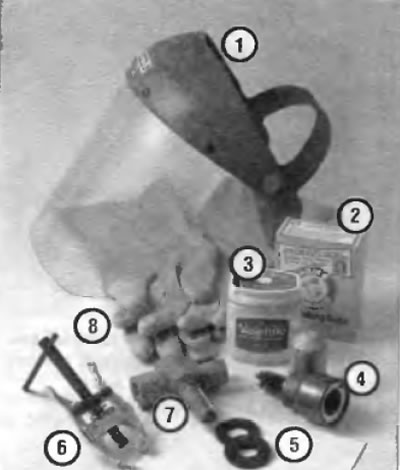
Fig. 7.1. Tools, devices and materials for battery maintenance
1. Safety glasses/face shield - When removing corrosion marks with a brush, acid particles can easily get into the eye
2. Sodium bicarbonate - a solution of sodium bicarbonate (baking soda) can be used to neutralize corrosion
3. Vaseline Applying Vaseline to the battery terminals can prevent corrosion
4. Battery Terminal/Wire Cleaner - This wire brush removes all traces of corrosion from battery terminals and wire clamps
5. Specially treated felt pads - placing these pads on the terminals directly under the wire clamps can help prevent corrosion
6. Puller - Sometimes wire clamps are very difficult to remove from the terminals even after the nut/bolt is completely loosened. This tool pulls the clamp straight up and off the terminal without damage
7. Battery Terminal/Cable Cleaner - This cleaning tool is slightly different from the tool described above (see pos. 4), but it performs the same functions
8. Rubber gloves are another safety item that should be used when servicing a battery; remember that there is acid inside the battery
2. In addition, there are several precautions that must be followed each time you service your battery. Before servicing your battery, be sure to turn off the engine and all electrical consumers and disconnect the ground cable from the negative battery terminal.
3. The battery emits hydrogen gas, which is both flammable and explosive. Avoid sparking, smoking, and lighting matches near the battery. Charge the battery in a ventilated area.
4. The electrolyte contains poisonous and corrosive sulfuric acid. Do not allow it to come into contact with your eyes, skin or clothing. Do not allow it to penetrate inside. Use safety glasses when working near the battery. Keep children away from the battery.
5. Check the external condition of the battery. If the positive terminal and cable clamp have a rubber protective cover, make sure it is not torn or otherwise damaged. It should completely cover the terminal. Inspect the battery for any signs of corrosion, looseness, cracks in the case or cover, or looseness of the bolts holding the clamps. Also check each wire along its entire length for cracks and other defects.
6. If there is corrosion that resembles white fluffy deposits (fig. 7.6,a), especially around the terminals, the battery should be removed for cleaning. Use a wrench to loosen the wire clamp bolts, remembering to remove the ground wire first, and remove them from the terminals (fig. 7.6,b). Then remove the retaining clamp bolt and nut, remove the clamp and remove the battery from the engine compartment.
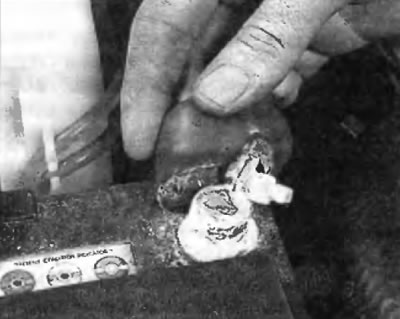
Fig. 7.6, a. Corrosion on battery terminals usually appears as a light, fluffy, powdery deposit
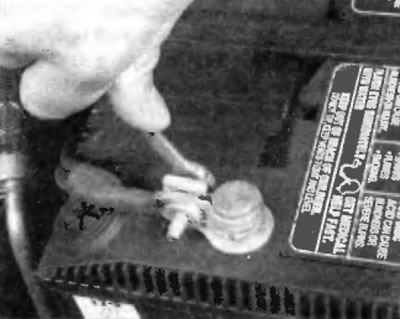
Fig. 7.6, b. Releasing the battery terminal wire clamp with a wrench. Sometimes, to perform this procedure, if corrosion has caused the nut edges to deteriorate, special battery pliers should be used (the ground (-) wire should be disconnected first, and connected last!)
7. Thoroughly clean the wire terminals with a brush or terminal cleaner and a solution of warm water and sodium bicarbonate (baking soda) (fig. 7.7,a). Wash the terminals and the top surface of the battery case with the same solution, but make sure that the solution does not get into the battery.
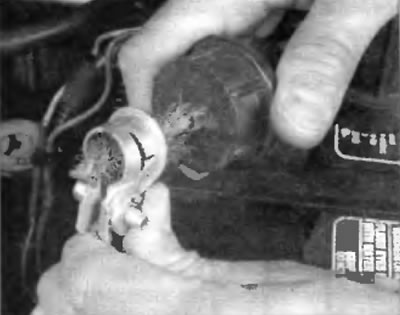
Row 7.7, a. When cleaning the wire clamps, all traces of corrosion should be removed (the inside diameter of the clamp is tapered to fit the housing on the terminal, so don't remove too much material)
When cleaning the wires, terminals and the top surface of the battery, wear safety glasses and rubber gloves to prevent the solution from getting into your eyes or on your hands. Also, wear special or old clothes, since even diluted sulfuric acid will burn holes in your clothes if it gets on them. If the terminals are heavily corroded, clean them with a terminal cleaner (fig. 7.7, b). Rinse all cleaned areas thoroughly with plain water.
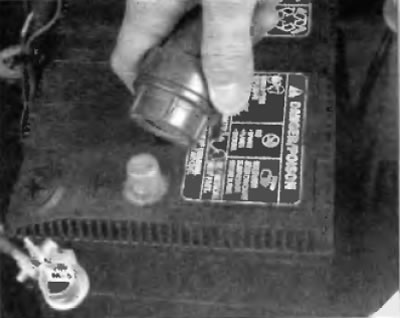
Fig. 7.7,6. As a result of cleaning the battery terminals you should get a shiny surface
8. Make sure the battery tray is in good condition and the retaining clamp bolts are tight. If the battery is removed from the tray, make sure there are no foreign objects on the tray before installing the battery. When installing the retaining clamp bolts, do not overtighten them.
[View the full text on the portal: toyotaman.ru]
9. All metal parts of the car that are exposed to corrosion should be coated with a zinc-based primer and then painted.
10. Information on removing and installing the battery can be found in chapter 5. Information on jump starting the engine is provided at the beginning of this Manuals.