



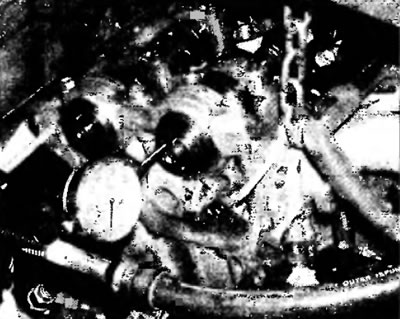
Fig. 7.13. Install the dial indicator as shown to measure the camshaft end clearance.
14. After removing the camshafts, visually inspect the working surfaces of the shaft bearings in the cylinder head for signs of pitting, scratches, abrasion or abnormal wear (Fig. 7.14). If the working surfaces of the bearing shells are damaged, the cylinder head or bearing shells No.1 of the intake camshaft may need to be replaced. In this case, they should be replaced with elements of the same size as the original ones.
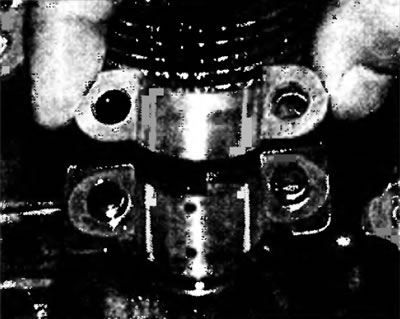
Fig. 7.14. Inspect the working surfaces of bearing shells No.2-No. 5 in the cylinder head for damage
Note: Size markings are located on the machined surface of the cylinder head near journals No.1, and corresponding markings are located on the backs of the bearing shells.
15. Measure the outside diameter of each camshaft journal and record the measurement results (Fig. 7.15). Compare them with the journal outside diameter values specified in Specifications at the beginning of this chapter, then measure the inside diameter of each camshaft bearing involved and record the results. Subtract the outside diameter of each journal from the inside diameter of the bore of the corresponding bearing to determine the radial clearance in each bearing. Compare the results with the specified radial clearance values. If either result is outside the standard value for wear specified in this chapter, either the camshaft or the cylinder head, or both, should be replaced.
Note: If precision measurement tools are not available, a Plastigage kit specifically designed for measuring bearing clearances can be used to determine radial bearing clearance.
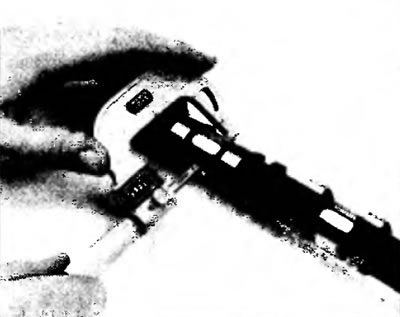
Fig. 7.15. Measure the diameter of each journal with a micrometer. If the diameter is less than the specified value, replace the camshaft
16. Measure the height of each camshaft lobe with a micrometer (Fig. 7.16). Compare the results with the values given in the Specifications at the beginning of this chapter. If the height of any lobe is less than the specified minimum, replace the camshaft.
(The original text is posted on: TOYOTAMAN)
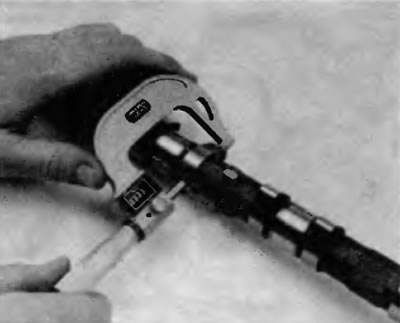
Fig. 7.16. Measure the cam lobe height on each camshaft
17. Check the camshaft runout. To do this, install the camshaft in its standard place in the cylinder head and move the plunger of the dial indicator to the central journal. Zero the dial indicator scale. Slowly turn the camshaft and note the dial indicator reading. The runout should not exceed 0.03 mm. If the runout reading exceeds the specified value, replace the camshaft.
18. Inspect each tappet for binding or scratches (Fig. 7.18).
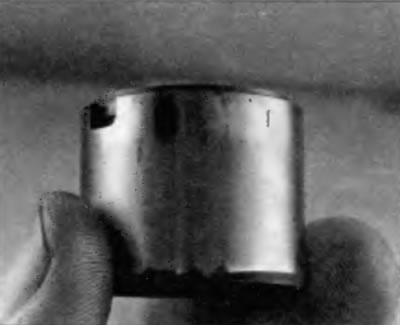
Fig. 7.18. Wipe off the oil and inspect each tappet for wear and binding
19. Measure the outside diameter of each tappet (Fig. 7.19) and the inside diameter of the corresponding bore. Subtract the tappet diameter from the bore diameter to determine the radial clearance. Compare the result with the value given in the Specifications at the beginning of this chapter. If the clearance is too great, a new cylinder head and/or new tappets will be required.
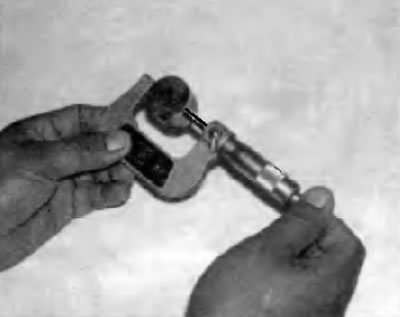
Fig. 7.19. Measure the outside diameter of each tappet and the inside diameter of the corresponding mounting hole