



2. Pay attention to how the cuff is installed. The new one should be installed at the same depth and with the same side facing out. Carefully pry and remove the cuff from the cover using a suitable puller or a large screwdriver (Fig. 12.2). Be very careful not to deform the cover or scratch the crankshaft! To avoid damaging the crankshaft, wrap the tip of the screwdriver with insulating tape.
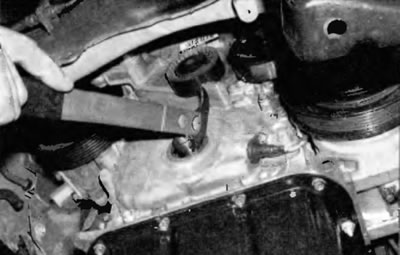
Fig. 12.2. Carefully remove the old seal from the timing chain cover. Do not damage the crankshaft
3. Apply clean motor oil or multi-purpose grease to the outer lip of the new seal, then insert the seal into the cover with the sealing lip facing (side of the spring) inward. Drive the collar into place using a suitable drift or large socket and hammer (Fig. 12.3). Insert the collar into the mounting hole of the swashplates and stop when the face is at the proper depth.
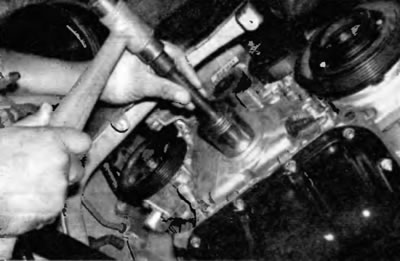
Fig. 12.3. Install the new seal into place using a suitable drift or large socket head and hammer
4. Check the surface on the pulley hub that mates with the seal. If the surface has developed a wear groove due to prolonged contact with the seal, a suitable bushing can be pressed on to restore the sealing surface (Fig. 12.4). This bushing is pressed on with a hammer and a wooden block, and such bushings for various applications are usually available from an auto parts store
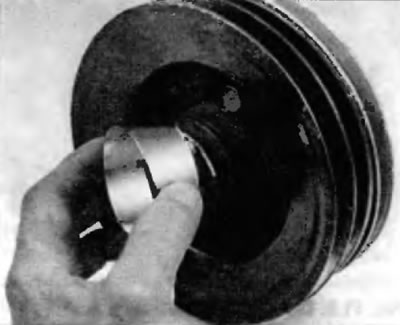
Fig. 12.4. If a wear groove has formed on the sealing surface of the pulley hub due to contact with the cuff, repair bushings can be used to eliminate this problem
5. Lubricate the pulley hub with clean engine oil and install the pulley on the crankshaft (see paragraph 11).
6. Screw in the pulley mounting bolt and tighten it to the specified torque specified in Specifications at the beginning of this chapter.
7. The rest of the installation is carried out in the reverse order of removal.