



Note: Although not recommended by the manufacturer, it is recommended to periodically clean the mesh filter in the transmission to remove any accumulated dirt and metal particles.
2. Before starting work, obtain the prescribed transaxle fluid (see "Recommended operating fluids and lubricants").
3. To complete this job you will also need reliable stands to support the vehicle in a raised position, a 10mm Allen bit or Allen key, a drain pan that can hold at least 4 litres of fluid, newspapers and a clean rag.
4. The fluid should be drained immediately after driving the car. Hot fluid allows you to remove accumulated sediment more effectively than cold fluid.
Caution! When the transmission is hot, the fluid temperature in the block with the drive axle may exceed 175°C. Use protective gloves.
5. After driving the vehicle, to warm up the fluid, raise the vehicle and place soft supports to access the transmission and differential drain plugs.
Caution: If the vehicle is equipped with electronically controlled air suspension, turn off the ride height control switch.
6. Position the necessary equipment under the vehicle, being careful not to touch hot exhaust system components.
7. Place a drain pan under the drain plug on the transmission pan and remove the drain plug (Fig. 23.7). Make sure that the drain pan is not in the correct location, as the fluid will flow out with some displacement. Once the fluid has drained, replace the drain plug and tighten it securely. If you are not going to clean the strainer, proceed to step 14.
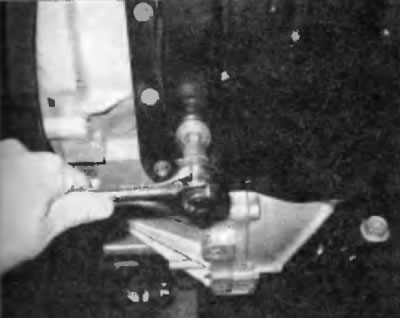
Fig. 23.7. Remove the drain plug from the automatic transmission in the block with the drive axle
8. To clean the mesh filter, unscrew the front transmission pan mounting bolts, then loosen the rear bolts, carefully use a screwdriver to separate the pan and allow the remaining fluid to drain (fig. 23.8. a, b). Once the fluid has been drained, remove the bolts and lower the pan.
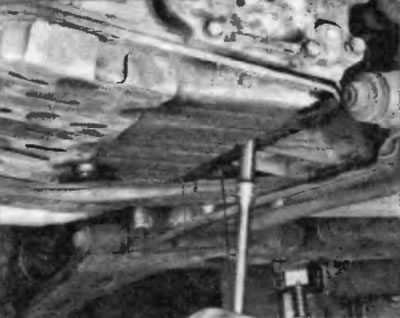
Fig. 23.6, a. After loosening the front bolts, unscrew the rear pan mounting bolts...
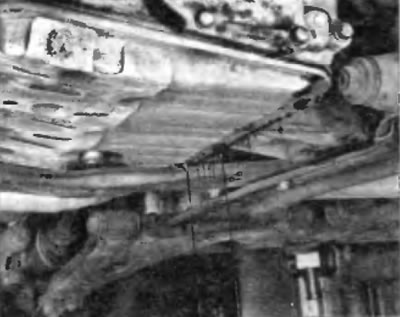
Fig. 23.6, b....and allow the remaining liquid to drain
9. Unscrew the mesh filter mounting bolts and release the clamp (some models) and lower the mesh filter, separating it from the gearbox (Fig. 23.9). Be careful when lowering the mesh filter, as it contains residual fluid.
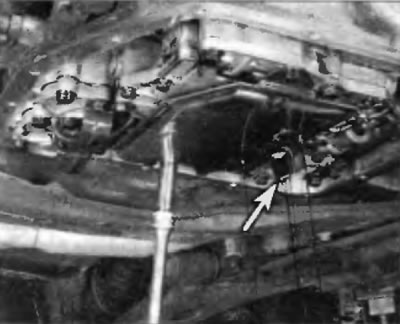
Fig. 23.9. Unscrew the mesh filter bolts and lower the filter (be careful as it contains liquid residues)
10. Thoroughly rinse the mesh filter in clean transmission fluid.
11. Install the mesh filter in its normal position, install the clamp (if available) and screw in the bolts Tighten the bolts to the specified torque (see "Specifications" at the beginning of the chapter).
12. Carefully clean the surfaces under the gasket on the pan to remove all traces of the old gasket material. Remove the magnets (having previously marked their position), rinse the tray in clean solvent and dry with compressed air.
Warning! When working with compressed air, be sure to use eye protection! Clean and install magnets in the wrong place in the tray (fig. 23.12).
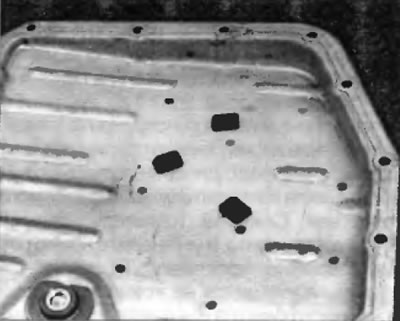
Fig. 23.12. Mark the location of the magnets, remove them and wash them and the tray in solvent before installation
13. Install a new gasket, position the pan in its normal position and screw the bolts into their original places. Tighten the bolts to the specified torque (see Fig. "Specifications" at the beginning of this chapter).
14. Lower the vehicle.
15. With the engine off, add new fluid to the transmission through the dipstick tube (information on recommended fluid grades and their filling volumes is provided in the paragraph "Recommended operating fluids and lubricants"). Use a funnel to avoid spilling. It is recommended to add fluid little by little, periodically checking the level with the dipstick (see paragraph 4). Allow the liquid time to drain into the tray.
16. Start the engine, move the selector lever through all positions from P to L, then return to position P and apply the parking brake.
17. With the engine idling, check the transmission fluid level. Add fluid until the COOL level on the dipstick is reached.
18. Drive the vehicle to warm the transaxle to normal operating temperature, then check the fluid level again.