



Contents: Bleeding the Master Cylinder ↓ Bleeding air from brake system pipes ↓ Checking the brake fluid level in…↓
Note: The brake system should be bled after repair work or if there is a suspicion of air in the brake lines.
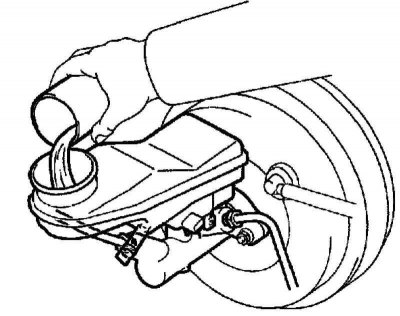
Fig. 6.6. Filling the expansion tank with brake fluid
Fill the expansion tank with brake fluid (Fig. 6.6).
Brake Fluid: SAE J1704 or FMVSS No.116DOT4.
Bleeding the Master Cylinder
On models not equipped with Vehicle Stability Control (VSC), use the special tool SST to disconnect the brake pipes from the brake master cylinder.
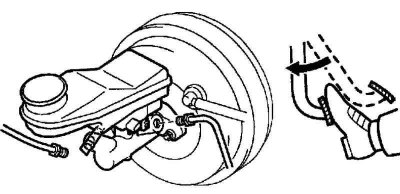
Fig. 6.7. Bleeding air from the brake circuit
Note: Bleed the brake master cylinder if it was disassembled or there was no fluid in the reservoir (Fig. 6.7).
On models equipped with Vehicle Stability Control (VSC), use the special tool SST to disconnect the brake pipes from the brake master cylinder.
Slowly press and hold the brake pedal.
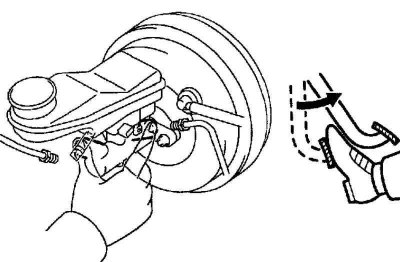
Fig. 6.8. Blocking the brake cylinder holes
Cover the master cylinder holes with your fingers and release the brake pedal (Fig. 6.8).
Repeat the air removal operations 3 or 4 times.
Bleeding air from brake system pipes
Connect the vinyl tube to the air bleed nipple.
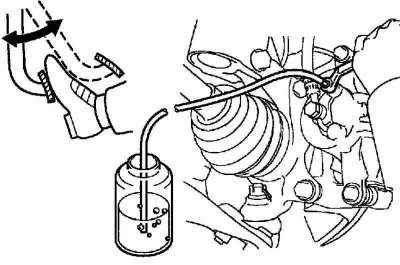
Fig. 6.9. Removing air from the brake system pipes
Press the brake pedal several times, then loosen the nipple while pressing the brake pedal (Fig. 6.9).
Once the brake fluid stops leaking, tighten the bleed nipple and release the brake pedal.
Repeat the operations described above until all air is removed.
Tighten the bleed screw.
Tightening torque: 10 Nm.
Repeat the described sequence of actions and remove air from the brake pipes of the other wheels.
View the original source on the website [Toyotaman.ru]
Checking the brake fluid level in the hydraulic reservoir
Check the fluid level in the hydraulic reservoir and add brake fluid if necessary.