



Contents: Checking for leaks ↓ Checking functionality ↓
Checking for leaks
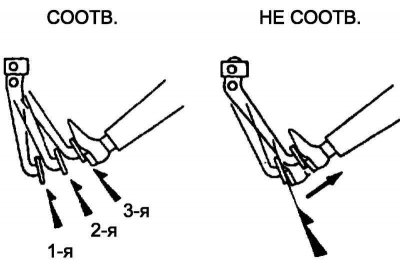
Fig. 6.14. Checking the brake booster
Start the engine and turn it off after 1 or 2 minutes. Slowly press the brake pedal at least 3 times (Fig. 6.14).
Note: The brake booster is sealed if the distance traveled by the brake pedal decreases with each press.
If this is not the case, check the vacuum check valve.
If the vacuum check valve is good, replace the brake booster assembly.
Press the brake pedal while the engine is running and, without releasing it, turn off the engine.
If the residual brake pedal travel remains unchanged after 30 seconds of holding the brake pedal, the booster is sealed.
If this is not the case, check the vacuum check valve.
If the vacuum check valve is good, replace the brake booster assembly.
[The original can be found on this resource: Toyotaman.ru]
Checking functionality
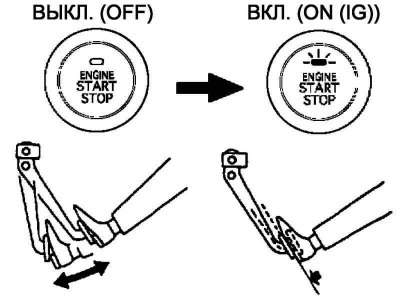
Fig. 6.15. Checking the performance of the brake booster
Press the brake pedal several times with the ignition off and check that there is no change in the residual travel of the brake pedal (Fig. 6.15).
Press the brake pedal and start the engine.
If the brake pedal starts to go down, the booster is OK. If not, check the vacuum check valve.
If the vacuum check valve is good, replace the brake booster assembly.
Checking the vacuum check valve
Check the vacuum check valve.
Remove the vacuum check valve from the brake booster.
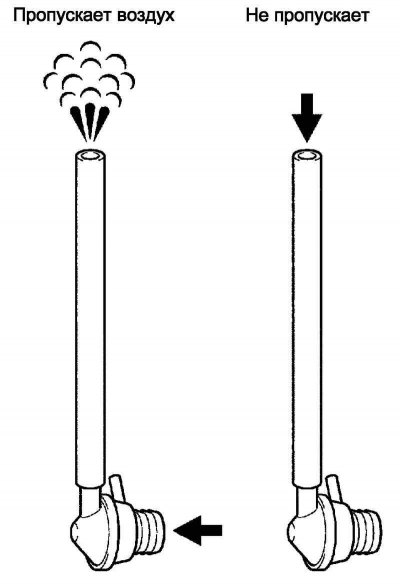
Fig. 6.16. Checking the vacuum check valve
Make sure that the valve allows air to flow in the direction from the booster to the engine and does not allow air to flow in the opposite direction (Fig. 6.16).
Note: If any fault is found, replace the vacuum check valve.