



Removal
1. Remove the oil pan (see paragraph 12).
2. Remove the timing belt (see paragraph 7).
3. Remove the crankshaft toothed pulley (see paragraph 7) and the crankshaft position sensor (see chapter). Place a jack under the engine. Remove the power unit supports (see paragraph 16).
4. Remove the oil suction pipe (Fig. 13.4)
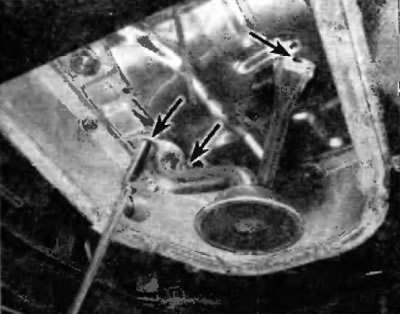
Fig. 13.4. The oil inlet pipe is secured with three fastening elements
5. Remove the generator and its bracket (see chapter 5).
6. Remove the bolts and the air conditioner compressor. Place it to the side where the refrigerant lines are disconnected.
7. Remove the air conditioning compressor bracket (Fig. 13.7).
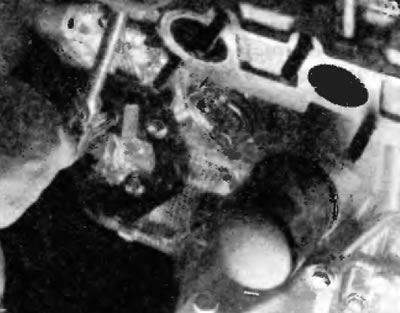
Rns. 13.7. Unscrew the bolts and remove the air conditioning compressor bracket from the cylinder block
8. Remove the power steering pump adjustment bracket, pry the pump up and separate it from the oil pump housing (Fig. 13.8)
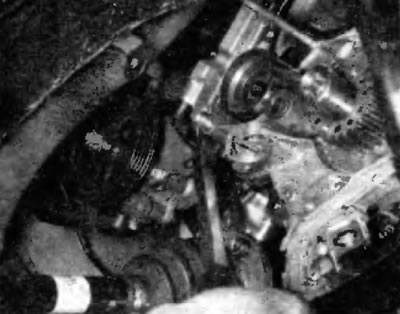
Fig. 13.8. Remove the power steering pump adjusting bar, pry and separate the pump from the oil pump housing
9. Remove the timing belt tensioner pulley (Fig. 13.9).
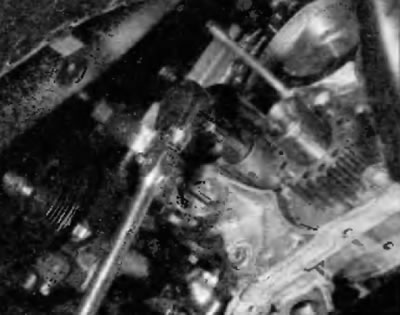
Fig. 13.9 Using a hex bit or 18 mm Allen key, remove the belt tensioner pulley
10. Remove the bolts and disconnect the oil pump from the engine. You may need to gently pry with a screwdriver to separate the front main bearing cap and pump housing.
11. Remove the sealing ring. Remove the retaining ring, retainer, spring and the valve of the oil relief valve itself (fig. 13.11).
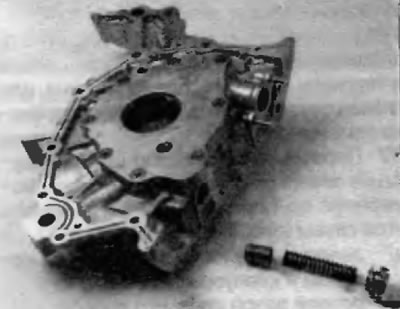
Fig. 13.11. Remove the plug, spring and oil pressure relief valve
Warning: The spring is heavily compressed, so be careful and use eye protection.
12. Using a large Phillips screwdriver, remove the screws securing the housing cover to the rear of the oil pump (fig. 13.12).
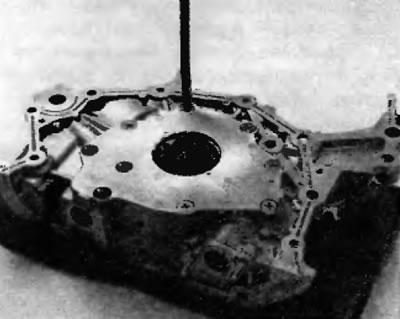
Fig. 13.12. Using a large Phillips screwdriver or appropriate bit, remove the pump cover mounting bolts
13. Remove the cover and take out the pump impellers.
14. Use a scraper to remove all traces of sealant and old gasket material from the pump body and cylinder block, then clean the mating surfaces with lacquer thinner or acetone.
Inspection
15. Clean all components with solvent and then inspect them for wear and damage.
16. Check the seating surface of the oil relief valve and the valve spring. If the spring or valve is damaged, they must be replaced as a set.
17. Check the following gaps with a feeler gauge and compare the measurement results with Specifications at the beginning of this chapter (fig. 13.17, a-c):
- a) clearance between the driven impeller and the pump body;
- b) axial clearance of the impeller;
- c) clearance between the heads of the teeth of the working wheels.
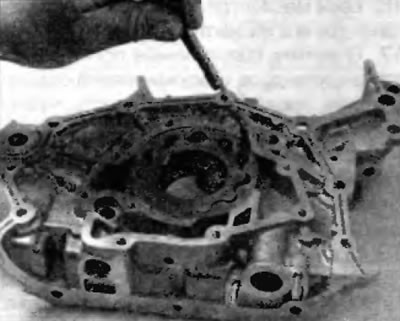
Row 13.17, a. Use a feeler gauge to measure the gap between the driven impeller and the housing
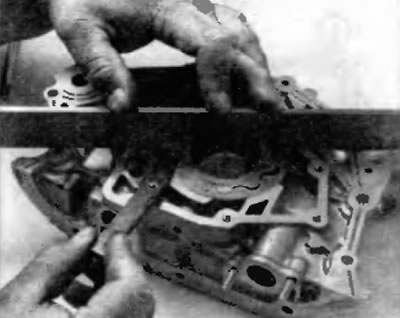
Fig. 13.17, b. Measure the axial clearance of the impellers using a rigid straight ruler and a set of feeler gauges
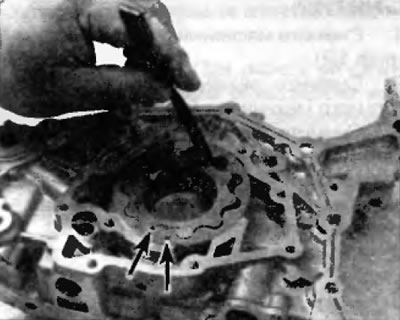
Fig. 13.17, c. Use a feeler gauge to measure the gap on the heads of the teeth of the working wheels. The marks on the working wheels are facing outward (when the pump housing cover is installed, the marking will face the cover)
Installation
18. Using a screwdriver, remove the old crankshaft oil seal.
19. Apply multi-purpose grease or engine oil to the outer lip of the new seal and carefully insert the seal using a suitable drift and hammer. Apply multi-purpose grease to the sealing lip.
20. Install the driving and driven impellers into the pump body with the marks facing outward (fig. 13.17, in).
21. Fill the pump cavity with technical petroleum jelly and install the cover. Securely tighten the screws in a cross sequence.
22. Lubricate the oil relief valve with engine oil and install the valve elements into the pump body.
23. Using acetone or lacquer thinner and a clean cloth, remove all traces of oil from the sealing surfaces.
24. Apply a 2-3mm wide bead of anaerobic sealant to the oil pump. Do not use excessive amounts of sealant, especially around oil passages and bolt holes.
25. Install a new sealing ring onto the cylinder block.
26. Align the flats on the oil pump drive impeller with the flats on the crankshaft and insert the pump into place (fig. 13.26).
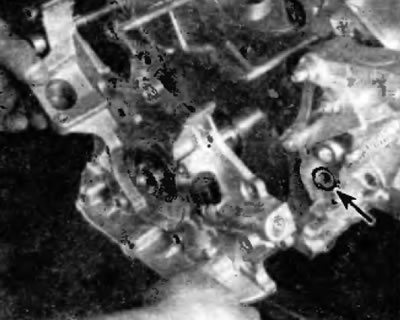
Fig. 13.26. Install the left sealing ring on the cylinder block and when installing the oil pump, align the drive impeller and the crankshaft
27. Screw in the oil pump mounting bolts according to their original position and tighten them in a cross sequence to the prescribed torque specified in Specifications at the beginning of this chapter.
The original source is located on the website toyotaman
28. Using a new gasket, install the oil pickup pipe and tighten the fasteners to the specified torque specified in Specifications at the beginning of this chapter.
29. Install the remaining components in place, working in the reverse order of removal.
30. Fill with oil, start the engine and check for oil leaks.
31. Check the engine oil level again.