



Note. Problems in the electrical circuit of the VVT control oil valve cause a diagnostic fault code to be generated and a warning lamp to be switched on on the instrument panel "Check engine" (check the engine). For information on fault codes, refer to Chapter B.
Note: Most problems with the VVT system are caused by the oil control valve and its filter. Regular engine oil and filter changes are required to ensure proper operation of this valve. Some VVT system checks and inspections require removal of the cylinder head cover and intake camshaft.
Oil control valve filter
8. A clogged oil control valve (OCV) strainer is a very common cause of VVT system problems. Remove the strainer from the rear of the cylinder head and inspect it for clogs. Clean the strainer if necessary and reinstall it using a new O-ring. The larger end of the strainer should face the head (Fig. 8.8). Tighten the strainer plug to the specified torque as shown in Specifications at the beginning of this chapter.
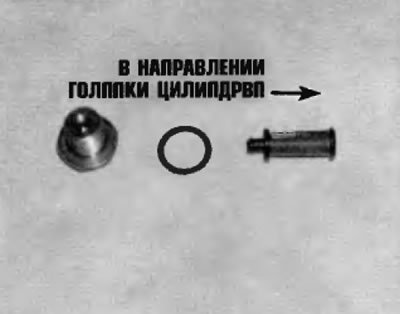
Fig. 8.8. When installing the filter, use a new sealing ring and ensure that the large head of the filter faces the cylinder head
Oil control valve
9. To replace the oil control valve (OCV), remove the retaining bolt and remove the valve from the cylinder head (fig. 8.9, a, b). The valve is located on the rear side of each cylinder head (closer to the gear plug). When installing a new valve, use a new O-ring. Tighten the valve mounting bolt to the specified torque specified in Specifications at the beginning of this chapter.
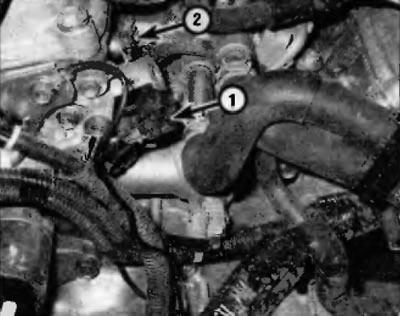
Fig. 8.9, a. Location of the control oil valves for the rear row of cylinders
1 - Electrical connector
2 - Bolt
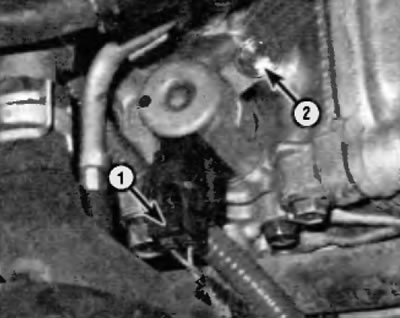
Fig. 8.9, b. Location of the oil control valves for the front row of cylinders
1 - Electrical connector
2 - Bolt
Timing pulley of the camshaft with the actuator
10. Remove the cylinder head cover (see paragraph 4), timing belt (see paragraph 7) and intake camshaft (see paragraph 10).
Note: Do not remove the exhaust camshaft or timing pulley from the vehicle.
11. Clamp the camshaft in a vice on a workbench. Clamp the shaft by the hexagonal section of the shaft.
Caution: Be careful not to damage the camshaft, its cams and journals.
12. Ensure that the toothed pulley assembly with the actuator does not rotate from the detent position. The detent position is the neutral position that the actuator assumes when the engine is idling and under no load, and at any time when the VVT system is not activated by the PCM
13. Using brake cleaner, remove all traces of oil from the front camshaft journals and VVT pilot oil ports. Apply vinyl tape to all pilot ports except the advance side oil port.
14. Apply 1.0 kg/cm³ air pressure to the advance side oil port and try to rotate the actuator by hand. The actuator should rotate freely without obvious binding approximately 30 degrees in the advance direction from the fixed position.
Note. It is mandatory to have an airtight seal between the compressed air gun tip and the pin of the advance oil port, because if there is an air leak on the compressed air gun tip or in any other control oil hole, the locking pin in the actuator will not come out of the installation hole. If a leak occurs, apply a slightly higher air pressure to the oil port on the advance side to remove the locking pin from the mounting hole.
15. If the actuator does not rotate as freely as specified, replace the intake camshaft timing pulley and actuator assembly,
16. To replace the toothed pulley assembly with the actuator, clamp the camshaft in a vice on a workbench and unscrew the nut by 46 mm, turning it clockwise (the nut has a left-hand thread).
17. Remove the toothed pulley assembly with the actuator. If the element does not come off the camshaft, tap it lightly with a plastic-faced hammer.
Caution: Do not attempt to disassemble the toothed pulley assembly with the actuator. It is a non-separable unit and cannot be reassembled.
18. Lubricate the bearing surface for the timing pulley/actuator assembly on the camshaft with clean engine oil. Align the locking pin before installing the timing pulley/actuator assembly (in the camshaft) and a groove for the locking pin (in a toothed pulley assembly with an actuator). Install the toothed pulley assembly with the actuator. Screw on the new toothed pulley mounting nut and tighten it to the specified torque specified in Specifications at the beginning of this chapter (don't forget that the nut has a left-hand thread).
19. Install the intake camshaft (see paragraph 10), timing belt (see paragraph 7) and the cylinder head cover (see paragraph 4).