



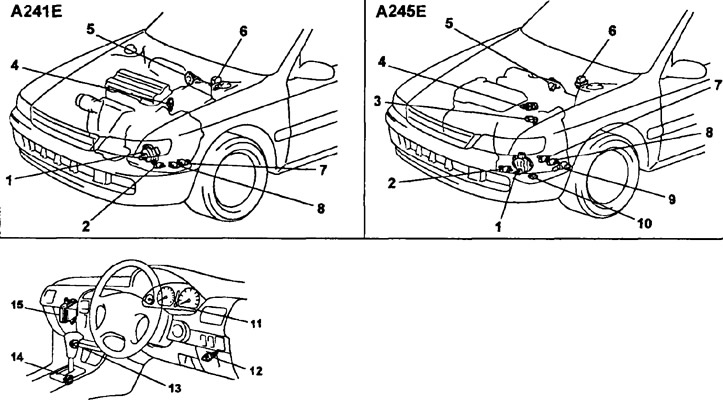
Electrical Component Locations (models since 1996.): 1 - Engine start prohibition switch, 2 - Torque converter lock-up clutch control electromagnetic valve, 3 - Speed sensor No.2, 4 - Engine coolant temperature sensor, 5 - Throttle position sensor, 6 - Diagnostic connector, 7 - Solenoid valve No.2, 8 - Solenoid valve No.1, 9 - Torque converter lock-up quality control electromagnetic valve, 10 - Automatic transmission working fluid temperature sensor, 11 - Overdrive off indicator "O/D OFF", 12 - Brake light switch, 13 - Overdrive switch, 14 - Automatic transmission operating mode selection switch (economical or sporty), 15 - electronic control unit of automatic transmission and engine
1. Check the voltage at the automatic transmission and engine control unit connector.
- c) Remove the center panel.
- b) Turn on the ignition.
- c) Measure the voltage at each contact of the automatic transmission and engine control unit connector (see table 3).
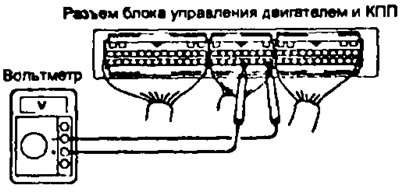
A241E since 1996.
Note: For models since 1996:
- signal waveform between terminals "SLU-" and "SLU+" when the torque converter lockup is off.
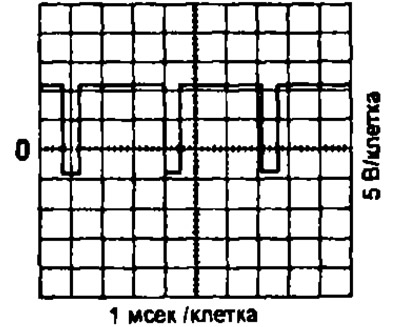
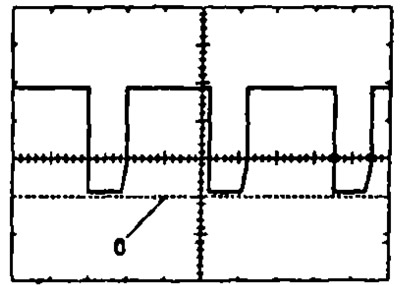
- signal waveform between terminals "SLU-" and "E1" when the torque converter lock-up is enabled.
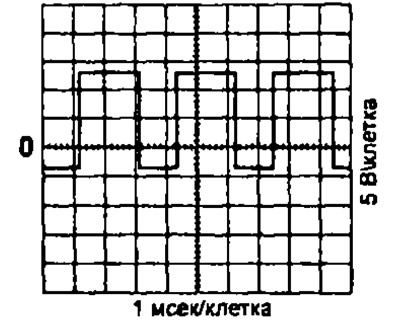
- signal waveform between the "SPD" and "E1" terminals when the vehicle is moving at a speed of about 60 km/h.
Note: The higher the vehicle speed, the higher the frequency of pulses generated by the speed sensor.
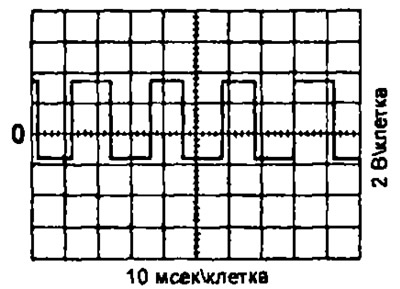
- (A245E) signal shape between terminals "NC2+" and "NC2-" when the vehicle is moving at a speed of about 60 km/h in the "D" range.
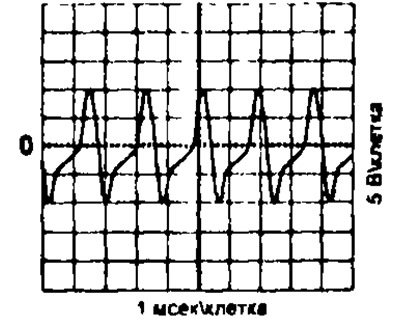
A540N, A241E (since 1996):
- signal form between the "SPD" and "E1" terminals when the car is moving at a speed of about 20 km/h. The division value (cells) is 5 V and 20 ms.
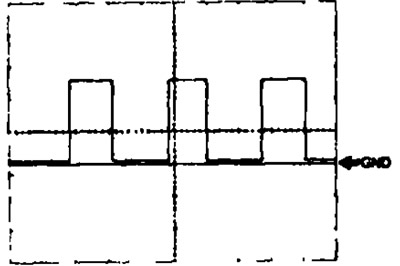
- signal form between terminals "SLD+" and "SLD-", ignition key in the "ON" position. Division value (cells) 5 V and 1 ms.
2. Check the solenoid valves.
- a) Disconnect the connector from the engine and automatic transmission control unit.
- b) Measure the resistance between terminals S1, S2, ST (only A540H), SL and "ground" or "SLD+" and "SLD-" (Only A540H). Resistance 11-15 Ohm.
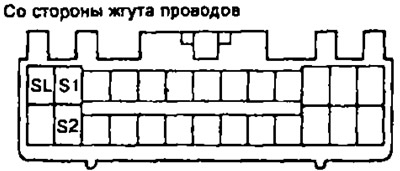
A240E, A241E
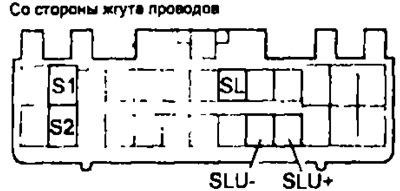
A245E
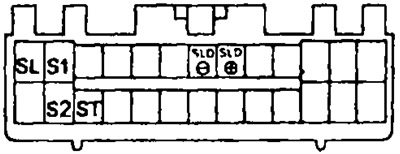
A540N
- c) (A245E) Measure the resistance between the terminals "SLU+" and "SLU-" and the ground. Resistance 5.1-5.5 Ohm
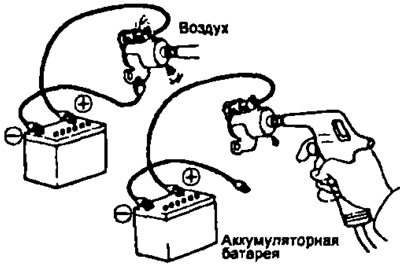
- d) Apply battery voltage to each contact. A click indicates that the electromagnetic valves are working.
3. (Except A540H) Check the seals of the solenoid valves No.1, Ne 2 and the locking valve.
caution: The presence of foreign material in the solenoid valve may cause it to malfunction.
- a) Using compressed air (pressure 490 kPa), check the solenoid valve seals (the valve should not let air through)
- b) Apply battery voltage to the solenoid valve: the valve should allow air to pass through.
(A245E) Check the torque converter lock-up quality control solenoid valve. Connect the positive lead through an 8-10W bulb to terminal "1" of the solenoid valve connector and the negative lead to terminal "2", then check the valve movement.
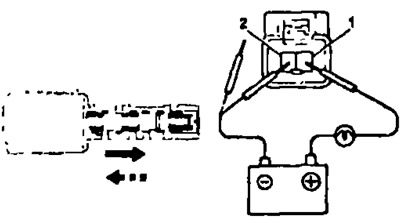
- a) Connect the positive terminal of the variable voltage power supply to terminal "1" of the valve connector and the negative terminal to terminal "2".
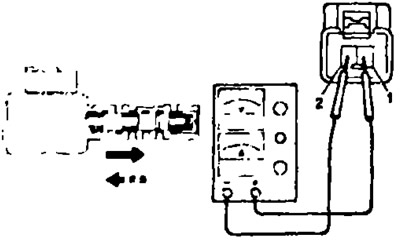
- b) Check the valve movement when the voltage increases (the current should be no more than 1 A). As the voltage increases, the valve should slowly extend.
- c) When the voltage is removed, the valve should slowly return to its original position.
4. A540N. Check the seals of the solenoid valves.
Caution: The presence of foreign material in the solenoid valve may cause it to malfunction.
- a) Check solenoid valves No.1, No.2:
- using compressed air, check the seals of the solenoid valves (the valve should not let air through).
- apply battery voltage to the solenoid valve.
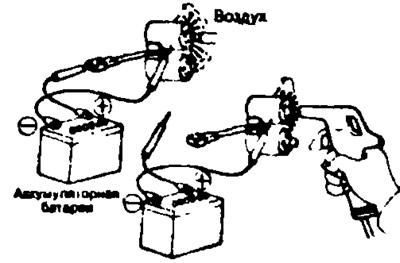
- b) Check the torque converter lock-up clutch control solenoid valve.
- apply compressed air to the valve at a pressure of 490 kPa. The valve should not leak air
- drop battery voltage on the electromagnetic valve, the valve should let air through.
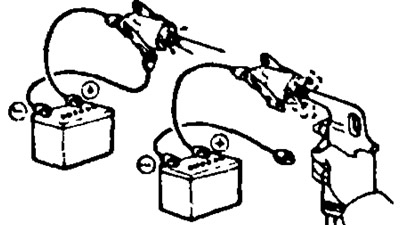
- c) Check the solenoid valve that regulates the pressure in the main line.
- apply compressed air to the valve at a pressure of 490 kPa, the valve should not leak air,
- apply battery voltage to the solenoid valve: the valve should allow air to pass through.
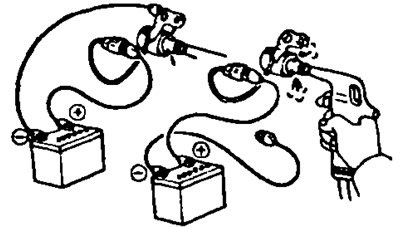
- d) Check the electromagnetic valve for controlling the center differential lock:
- Connect the positive terminal of the battery through an 8-10 W lamp to terminal "1" of the valve connector and the negative terminal of the battery to terminal "2", the valve should move.
- Checking the valve operation; Connect the positive terminal of the variable voltage power supply to terminal "1" of the valve connector and the negative terminal to terminal "2".
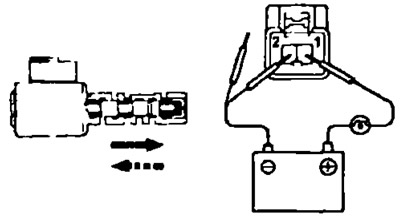
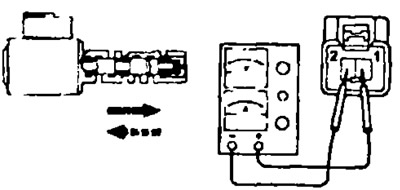
Check the valve movement with a gradual increase in voltage (the current should be no more than 1 A). When the voltage increases, the valve should retract. When the voltage is removed, the valve should slowly return to its original position.
5. (A245E and A540H) Check speed sensor #2.
Measure the resistance between the sensor connector terminals. Nominal resistance is 560-680 Ohm.
If the measured resistance differs from the nominal value, replace the sensor.
6. Check the engine start inhibit switch.
Check the conductivity between the connector terminals indicated in the table.
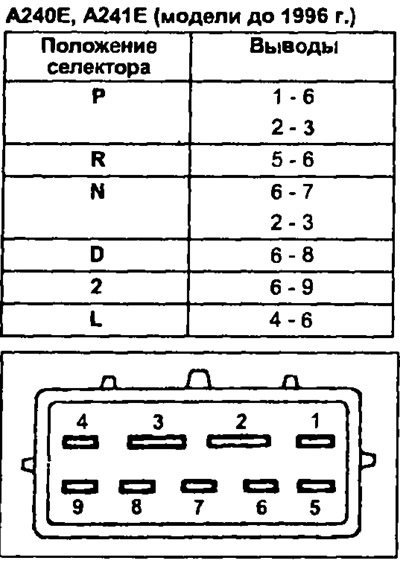 | 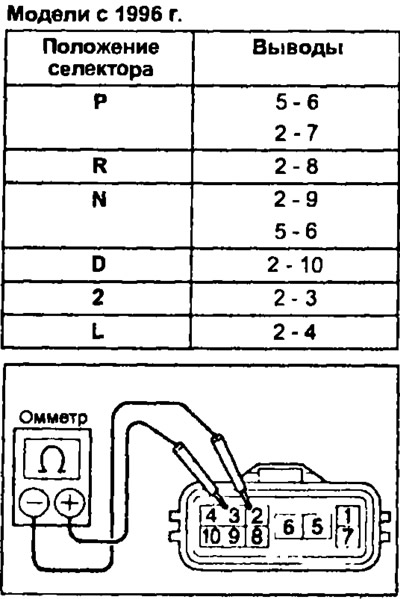 |
If there is no conductivity between the specified terminals, replace the start inhibit switch.
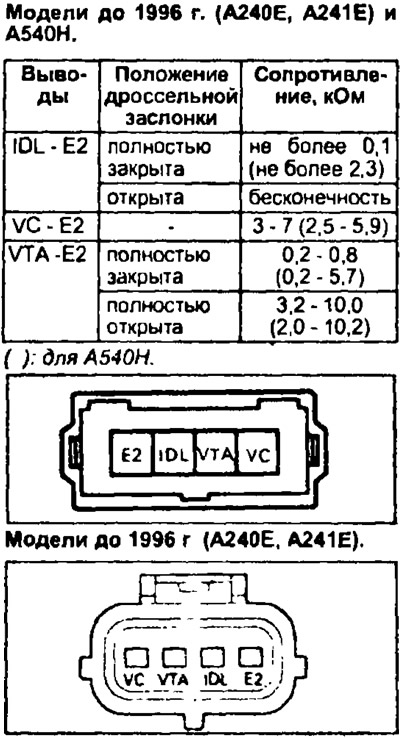
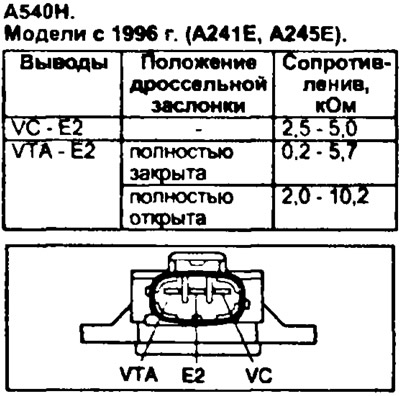
7. Check the throttle position sensor.
- c) Measure the resistance between the sensor connector terminals specified in the table. If the resistance does not match the specified value, replace the sensor.
 |  |
8. Models since 1996 Check the automatic transmission mode selector switch.
Using an ohmmeter, check the conductivity between the sensor connector terminals as indicated in the table.
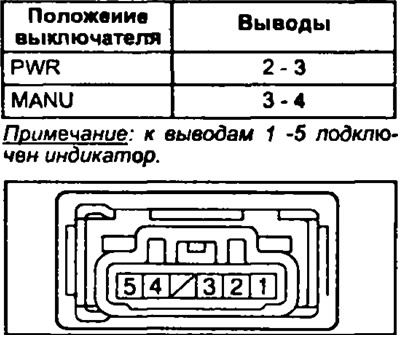
If there is no conductivity between the specified terminals, then replace the automatic transmission mode selection switch.
9. Models before 1996 Check speed sensor #2.
- a) Jack up the vehicle so that one of the front wheels can rotate freely.
- b) Connect the ohmmeter to the connector terminals.
- c) Rotate the wheel and make sure that the resistance changes from 0 to infinity.
10. Check the speed sensor No.1. (See the chapter "Body electrical equipment").
(The original source is located on the website: www.ToyotaMAN.ru)
11. Check the overdrive switch.
- a) Models before 1996: Check for continuity between terminals 1 and 3.
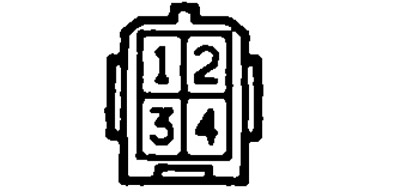
- b) 1996 and later models Check continuity between terminals "2" and "4" of the overdrive switch connector. There should be no continuity when the button is pressed (O/D ON), there should be continuity when the O/D mode is off. Otherwise, replace the switch.
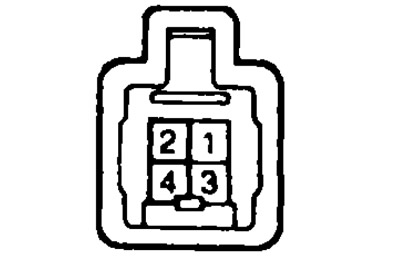
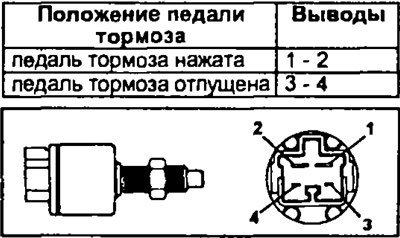
12. Check the brake light switch.
Models before 1996 Check continuity between terminals "1" and "3".
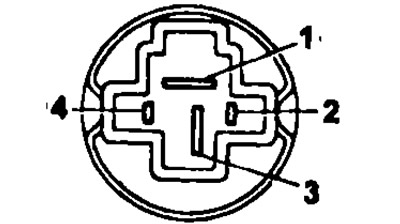
1996 and later models Check continuity between terminals "1" and "2" of the brake light switch connector.
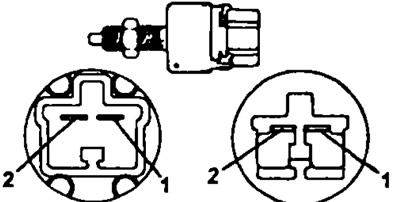
There should be conductivity when the pedal is pressed, there should be no conductivity when the pedal is released. Otherwise, replace the brake light switch
4WD models. Check the conductivity between the terminals as indicated in the table.
13. A245E. Check the working fluid temperature sensor. Measure the resistance between the sensor connector contacts. Resistance:
- at a working fluid temperature of 20°C: 2-3 kOhm
- at a working fluid temperature of 80°C: 0.2-0.4 kOhm
If the resistance differs from the nominal value, replace the sensor.
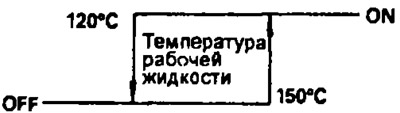
14. A540N. Check the working fluid temperature sensor.
Check the conductivity between the terminal and the sensor body when changing the temperature of the working fluid, as shown in the figure.
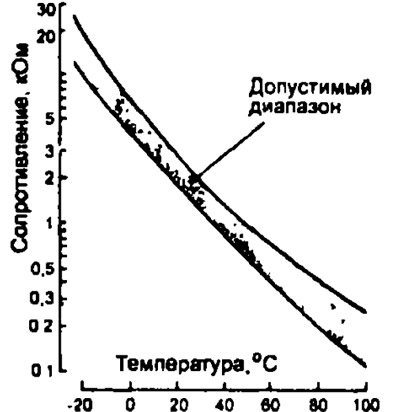
15 Measure the resistance between the terminals of the engine coolant temperature sensor connector. Replace the sensor if the resistance is not as shown in the figure.
17. Check the switch of the forced downshift mode (kick-down).
- a) Disconnect the kick-down switch connector.
- b) Using an ohmmeter, check for conductivity between terminals "1" and "2" when the switch is in the "ON" position.
Table 3. Voltage at the contacts of the automatic transmission control unit connector (A241E before 1996.)
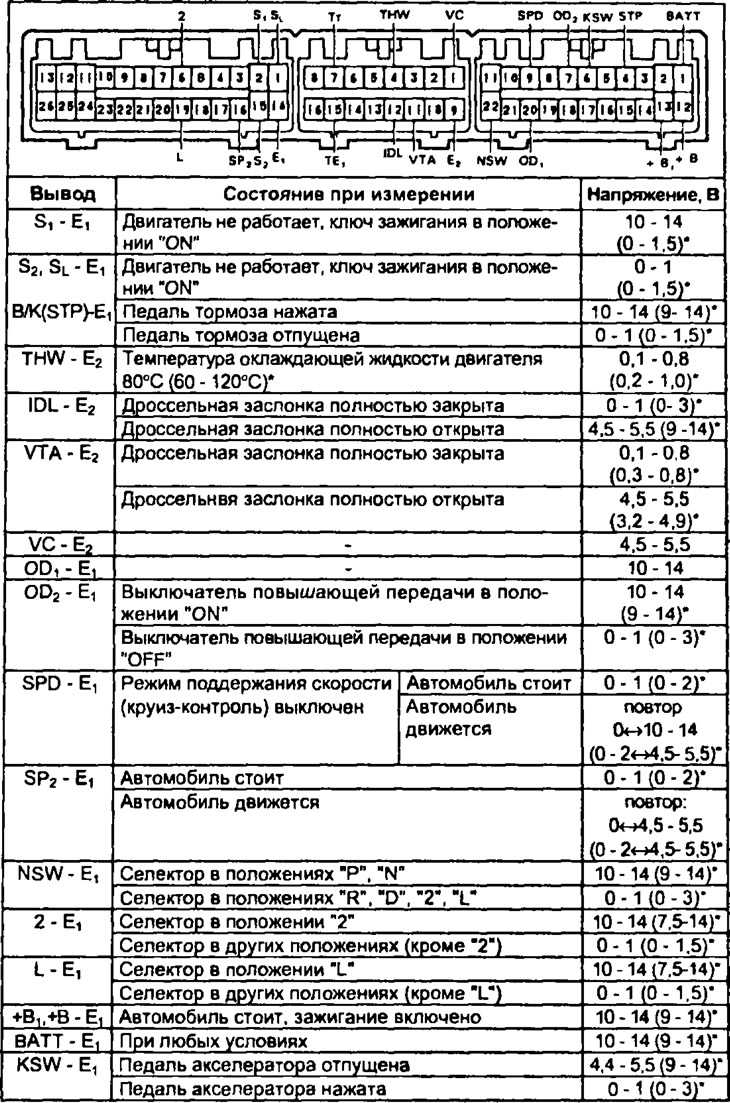
()* - for models with a station wagon body.
Note: the connectors of the electronic control unit of the automatic transmission and engine of station wagon models may not have the OD terminal.
Table 3 (continuation). Voltage at the contacts of the automatic transmission control unit connector (models since 1996: A241E, A54DH)
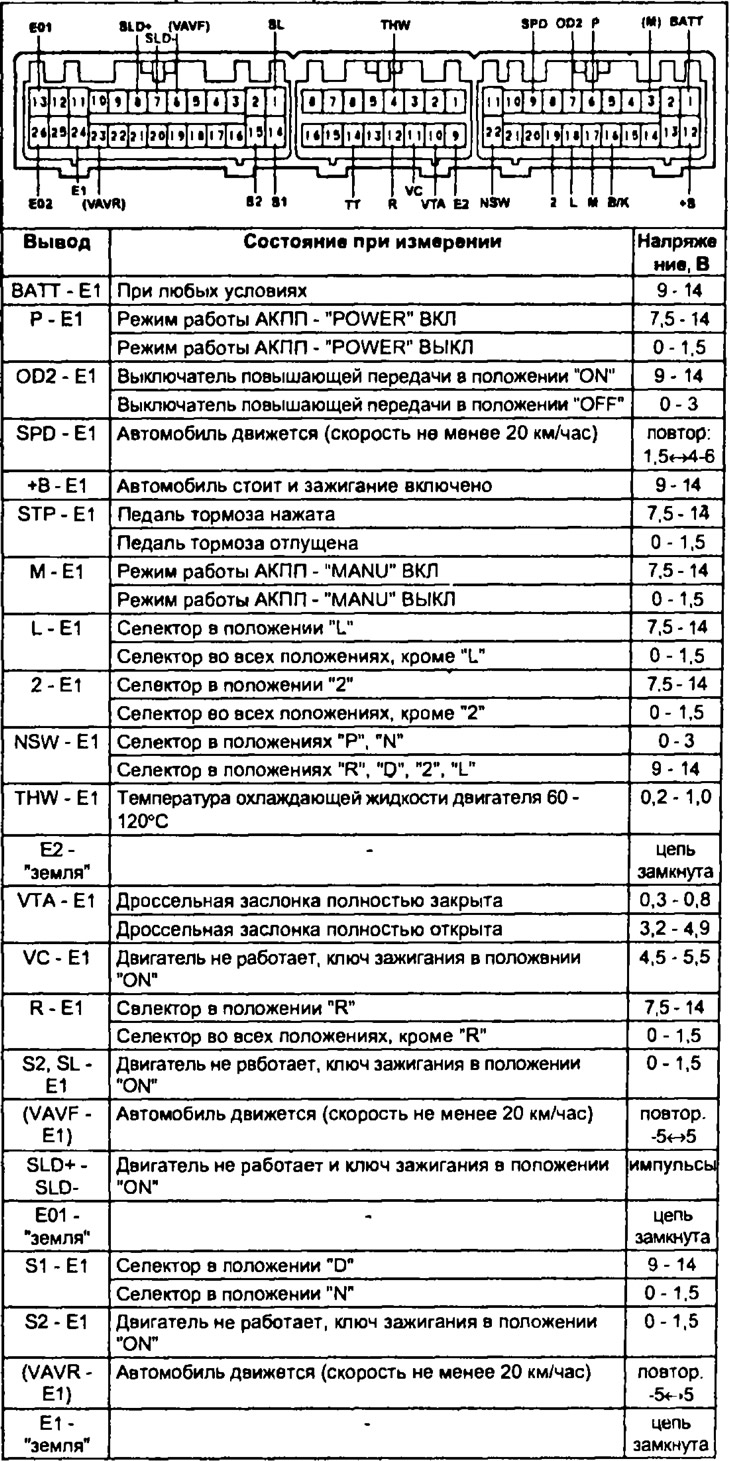
(): for A540H.
Table 3 (continuation). Voltage at the contacts of the automatic transmission control unit connector (A245E)
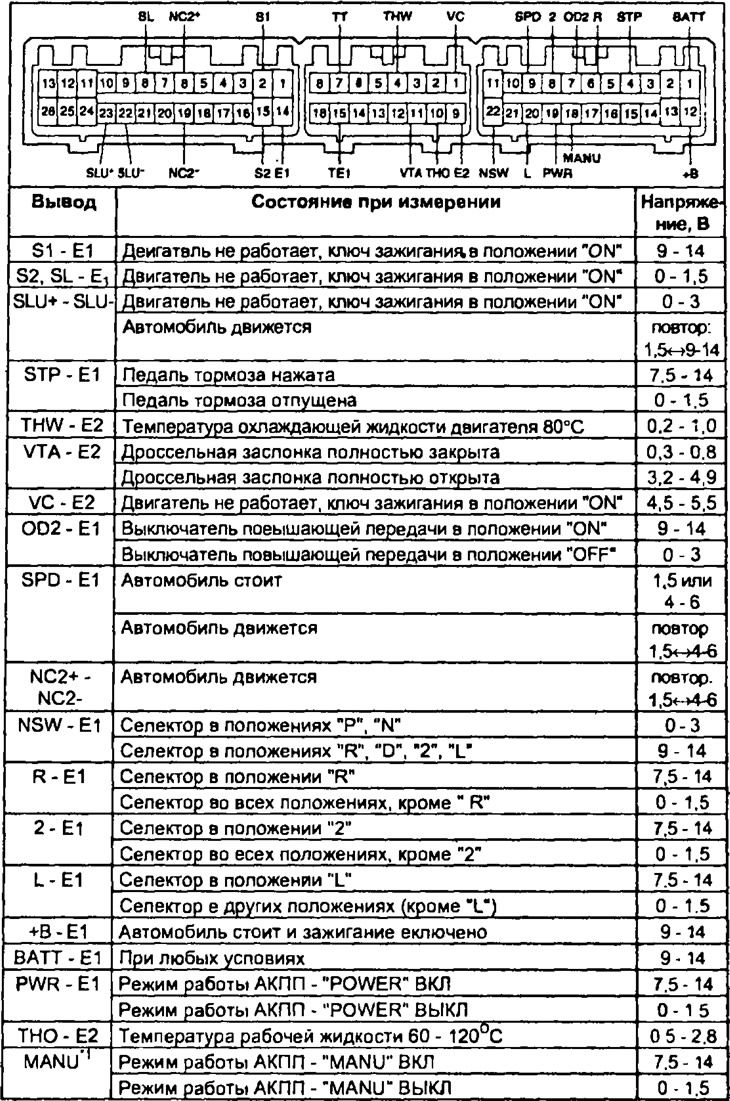
* - for models since 1996.