



Contents: The steering column is fixed ↓ The steering column is not fixed ↓ Trauma-safe design ↓ Primary consequences of the collision ↓ Secondary effects of the collision ↓ Electrical steering column lock…↓
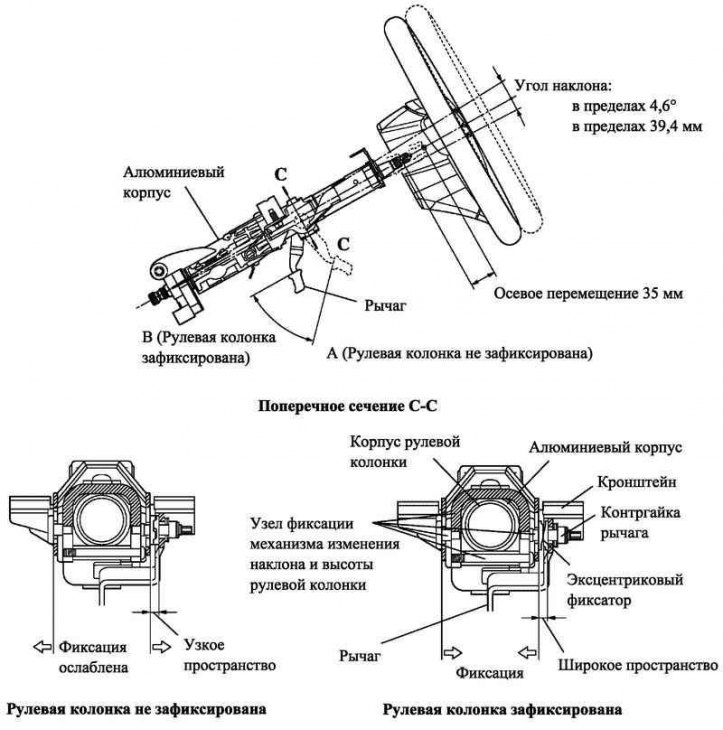
Fig. 5.8. Mechanism for changing the tilt and height of the steering column
The tilt and height adjustment mechanism consists of the following parts and units: lever, locking device, bracket, eccentric locks and aluminum body.
To change the height, a splined connection of the steering column to the main shaft is used.
The use of an aluminum body allows for increased efficiency of steering column fixation.
[The material is reprinted from an online resource ToyotaMan.ru]
Fixation zone (eccentric locks) shifted towards the center of the steering column to smooth out the shape of the lower part, which the driver's feet could hit during a collision.
The steering column is fixed
When fixing the steering column height and tilt mechanism by moving the lever to position B, the eccentric locks wedge the housing relative to the bracket. Due to this, the steering column is securely fixed in the angular and axial directions.
The steering column is not fixed
When the steering column height and tilt mechanism is loosened by moving the lever to position A, the eccentric locks allow the housing to move relative to the bracket. This loosens the steering column lock and allows its tilt and height to be changed.
Trauma-safe design
The impact energy is absorbed as a result of deformation of the limiting plate (damper).
The following design elements participate in absorbing the impact energy: a limiting plate, a bracket, clamps, and the main and intermediate shafts moving relative to each other.
The intermediate shaft is installed in the main shaft with tension, due to which the impact energy is absorbed during the process of mutual movement of the shafts.
The impact-crushing bracket used in previous models to strengthen the instrument panel has been replaced with a reinforced one.
The aluminum housing holds the steering column housing in a fixed position. When the steering column housing is displaced as a result of a collision, the impact energy is absorbed by friction.
Primary consequences of the collision
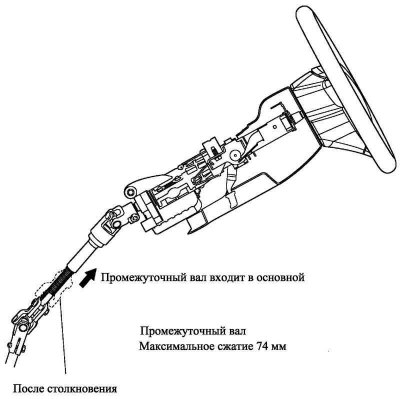
Fig. 5.9. Primary consequences of the collision
When the steering mechanism is displaced as a result of an impact (primary consequences) the intermediate shaft is integrated into the main shaft, which allows the steering column to extend into the passenger compartment for a shorter length.
Secondary effects of the collision
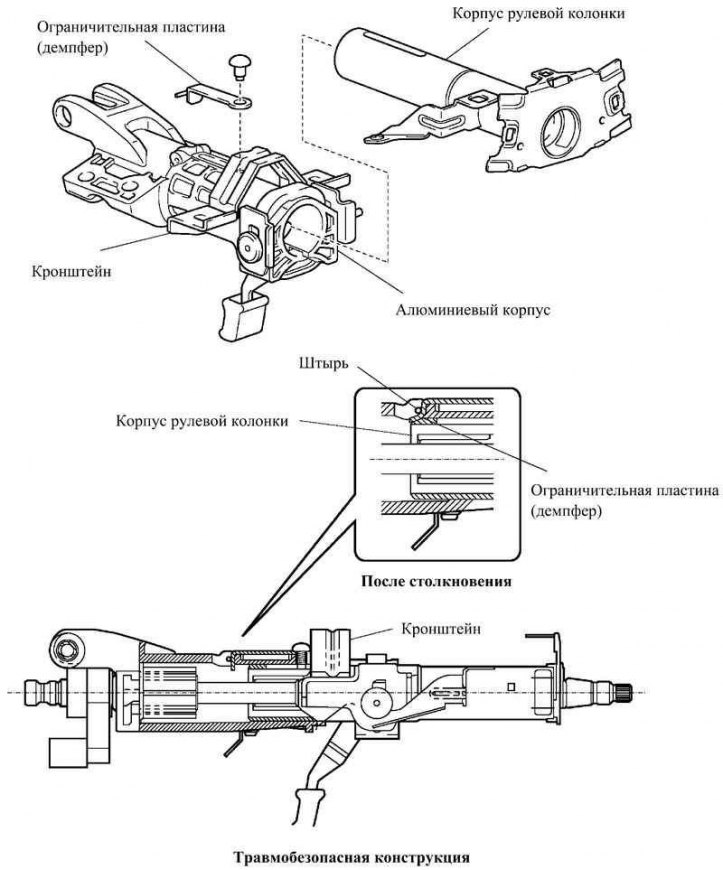
Fig. 5.10. Secondary effects of a collision
Impact energy transmitted to the steering wheel during a collision (secondary effects of the impact), is absorbed by the steering wheel and the driver's airbag. In addition, the impact energy is absorbed by the friction force that occurs when the steering column housing shifts when the height changes. At this point, the limiting plate is deformed and also absorbs the impact energy. This sequential impact energy absorption scheme helps minimize secondary effects of a collision.
Electrical steering column lock system
In previous models, the driver had to insert the key into the ignition to unlock the steering column. New models are equipped with an engine start button, so the steering column is unlocked by an electric motor at the command of the electronic control unit of the steering column lock mechanism. To lock the steering column, you must turn off the engine and remove the key from the ignition.