



Contents: Disconnecting hose #1 connecting the…↓ Removal the power steering pump…↓ Securing the power steering pump…↓ Removal the power steering pump…↓ Removal the rear power steering pump…↓ Removal the flow control valve ↓ Removal the rear part of the power…↓ Removal the shaft with the pulley ↓ Removal the power steering pump rotor ↓ Removal the front side plate of the…↓ Removal the seal from the power…↓ Checking the power steering pump…↓ Checking the rotor and blades of the…↓ Checking the flow control valve ↓ Checking the valve spring ↓ Checking the outlet fitting ↓ Installing the seal in the power…↓ Installing the shaft with pulley ↓ Installing the front side plate of…↓ Installing the power steering pump…↓ Installing the rotor of the power…↓ Installing the rear part of the…↓ Checking preload ↓ Installing a contact sensor ↓ Installing a flow control valve ↓ Installing the Power Steering Pump…↓ Installing the rear bracket of the…↓ Installing the power steering pump…↓ Connecting the power steering pump…↓ Connecting hose #1, connecting the…↓
Note: When clamping in a vice, do not allow the parts to be pressed too hard.
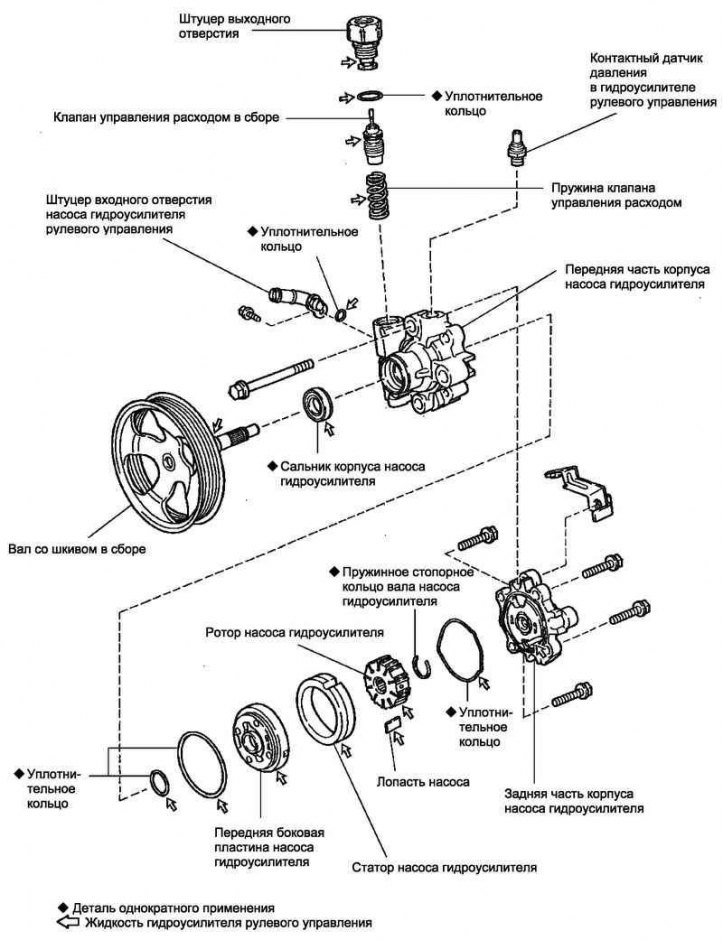
Fig. 5.31. Power steering pump components
During assembly, lubricate the parts marked with arrows in Figure 5.31 with power steering fluid.
Remove the front right wheel.
Remove the lower engine shield No.1.
Remove the right lower engine shield.
Remove the fan and alternator V-belt.
Disconnecting hose #1 connecting the power steering reservoir and the pump
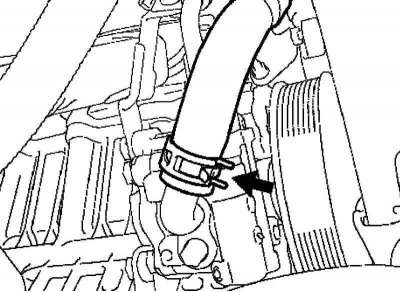
Fig. 5.32. Hose clamp No.1
Remove the clamp and remove hose No.1 connecting the power steering reservoir and the pump (Fig. 5.32).
Disconnecting the power steering pump feed pipe
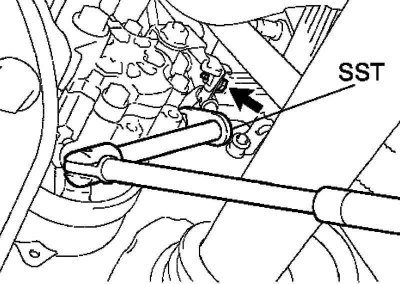
Fig. 5.33. Disconnecting the power steering pump feed pipe
Disconnect the power steering pump feed pipe assembly using the SST tool (Fig. 5.33).
Remove the bolt and disconnect the feed tube clamp.
Removal the power steering pump assembly
Disconnect the connector from the oil pressure sensor.
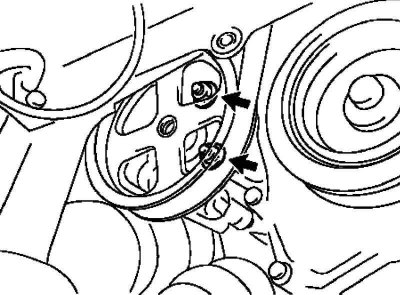
Fig. 5.34. Fastening the power steering pump
Remove the two bolts and two nuts, then remove the power steering pump assembly (Fig. 5.34).
Securing the power steering pump assembly in a vice
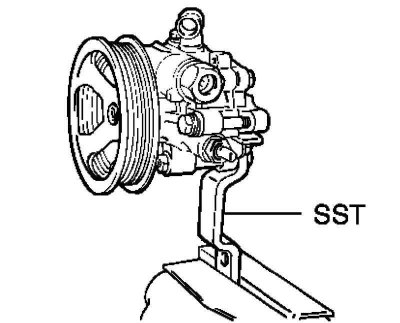
Fig. 5.35. Installing the power steering pump in a vice
Clamp the power steering pump assembly in a vice using the SST tool (Fig. 5.35).
Removal the power steering pump inlet nipple
Remove the bolt and nipple from the power steering pump inlet.
Remove the O-ring from the power steering pump inlet fitting.
Removal the rear power steering pump bracket
Remove the bolt and rear power steering pump bracket.
Removal the flow control valve
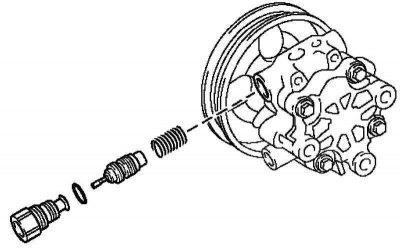
Fig. 5.36. Pump outlet fitting
Unscrew the pump outlet fitting (Fig. 5.36).
Remove the O-ring from the pump outlet fitting.
Remove the flow control valve and spring.
Remove the power steering pressure sensor.
Note: A dropped or damaged sensor must be replaced with a new one.
Removal the rear part of the power steering pump housing
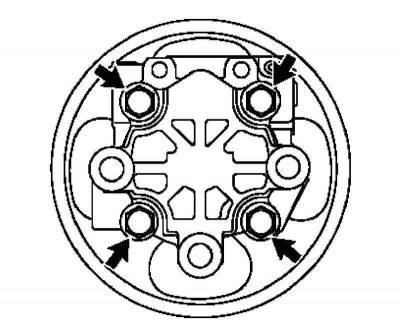
Fig. 5.37. Fastening the rear part of the power steering pump housing
Remove the four bolts and separate the rear part of the power steering pump housing from the front part of the housing (Fig. 5.37).
Remove the O-ring from the rear of the power steering pump housing.
Removal the shaft with the pulley
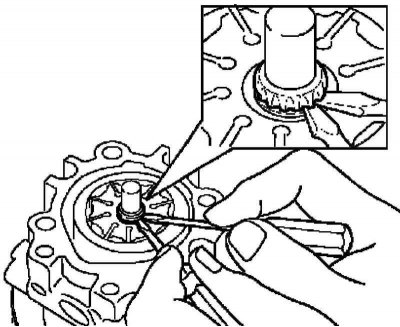
Fig. 5.38. Removing the snap ring
Using two screwdrivers, remove the snap ring from the shaft with the pulley (Fig. 5.38).
Remove the shaft with the pulley.
Removal the power steering pump rotor
Remove 10 pump blades.
Remove the power steering pump rotor.
Remove the power steering pump stator.
Removal the front side plate of the power steering pump
Remove the front side plate from the front of the power steering pump housing.
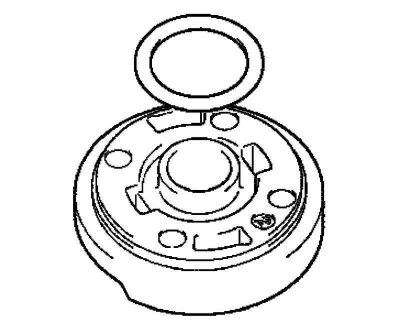
Fig. 5.39. Sealing ring
Remove the sealing ring from the front side plate (Fig. 5.39).
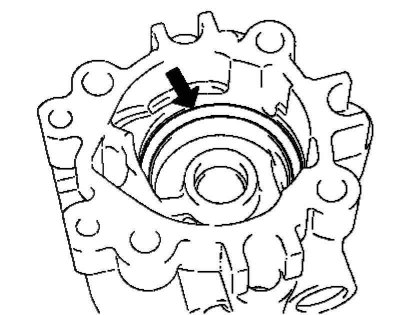
Fig. 5.40. O-ring of the front part of the power steering pump housing
Remove the sealing ring from the front of the power steering pump housing (Fig. 5.40).
Removal the seal from the power steering pump housing
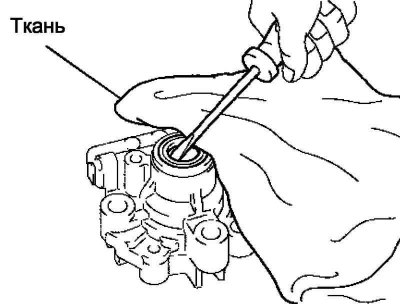
Fig. 5.41. Removing the oil seal
Remove the seal using a screwdriver (Fig. 5.41).
Note: Be careful not to damage the front of the power steering pump housing.
Checking the power steering pump shaft and bushing in the front of the housing
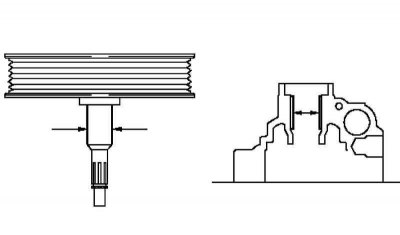
Fig. 5.42. Checking the power steering pump shaft
Using a micrometer and a dial indicator for holes, measure the clearance between the shaft and the pump body (Fig. 5.42).
Maximum allowable gap: 0.07 mm.
If the clearance exceeds the maximum allowable value, replace the power steering pump assembly.
Checking the rotor and blades of the power steering pump
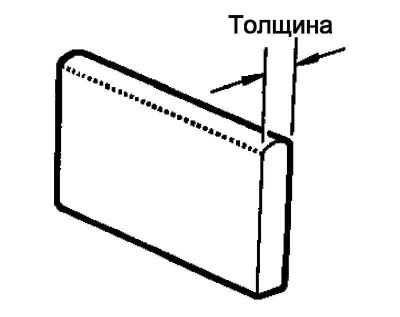
Fig. 5.43. Pump blade thickness
Use a micrometer to measure the thickness of the pump blades (Fig. 5.43).
Nominal thickness: 1.405–1.411 mm.
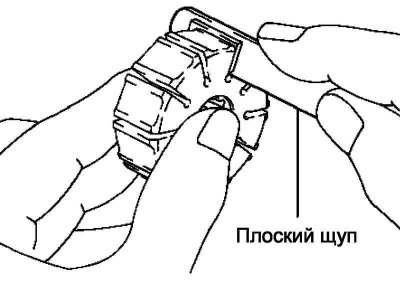
Fig. 5.44. Measuring the gap between the blades and the walls of the pump rotor slots
Using a flat feeler gauge, measure the gap between the blades and the walls of the pump rotor slots (Fig. 5.44).
Maximum allowable gap: 0.03 mm.
If the clearance exceeds the maximum allowable value, replace the power steering pump assembly.
Checking the flow control valve
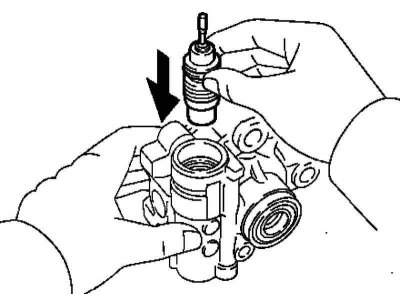
Fig. 5.45. Checking the free movement of the valve
Lubricate the flow control valve with power steering fluid and make sure that the valve moves smoothly into the hole under its own weight (Fig. 5.45).
If the valve does not fit properly, replace the power steering pump assembly.
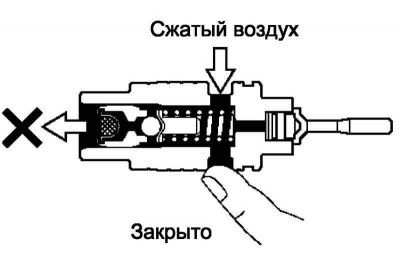
Fig. 5.46. Checking the valve tightness
Make sure the flow control valve is tight. Close one of the openings and apply air at a pressure of 392–490 kPa to the opposite opening. Make sure that air does not escape from the openings at the ends of the valve (Fig. 5.46).
If the valve is not sealed, replace the power steering pump assembly.
Checking the valve spring
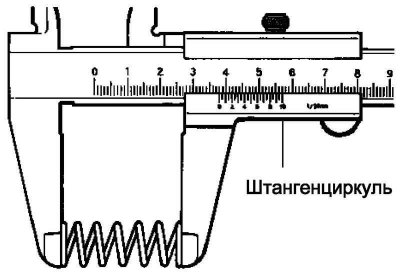
Fig. 5.47. Measuring the length of the valve spring
Use a caliper to measure the length of the valve spring in its free state (Fig. 5.47).
Minimum length: 36.9 mm.
If the free length of the valve spring is less than the permissible limit, replace the power steering pump assembly.
Checking the outlet fitting
If the outlet hole for the nipple in the pump housing is damaged, which may cause fluid leakage, replace the power steering pump assembly.
Installing the seal in the power steering pump housing
Lubricate the working lip of the new oil seal with power steering fluid.
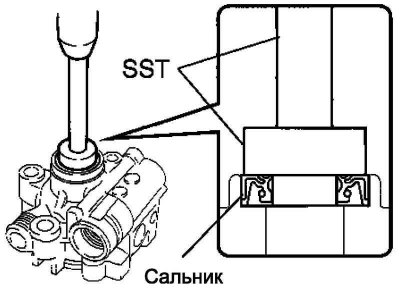
Fig. 5.48. Scheme of pressing in the seal
Using the SST mandrel and a hammer, press in the new seal (Fig. 5.48).
Note: It is necessary to ensure that the seal is correctly oriented in the power steering pump housing.
Installing the shaft with pulley
Lubricate the surface of the front housing bushing with power steering fluid.
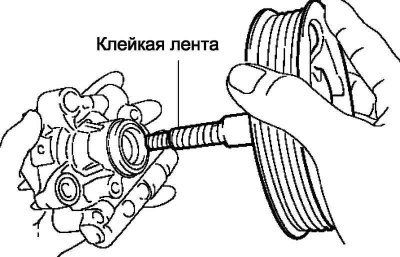
Fig. 5.49. Installing the shaft with pulley
Carefully insert the shaft with the pulley (Fig. 5.49).
Note: Be careful not to damage the seal lip of the pump seal.
Note: After installing the shaft with the pulley, check that the working lip of the oil seal is correctly oriented.
Installing the front side plate of the power steering pump
Lubricate the new O-ring with power steering fluid and install it onto the front of the pump housing.
Lubricate the new O-ring with power steering fluid and install it onto the front side plate of the pump.
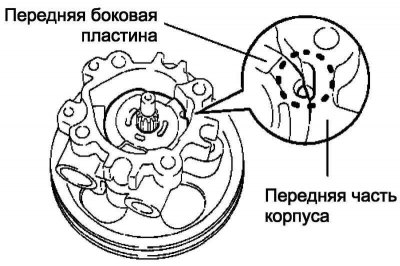
Fig. 5.50. Installation diagram of the front side plate of the power steering pump
Install the front side plate, aligning the recess on it with the recess in the front of the pump body (Fig. 5.50).
Note: Care must be taken to ensure that the front side plate of the pump is oriented correctly.
Installing the power steering pump stator
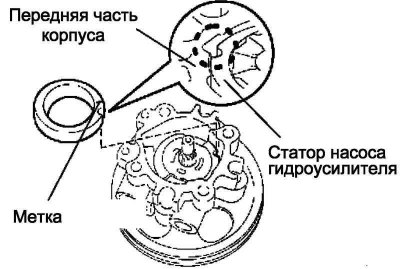
Fig. 5.51. Stator installation diagram
Align the stator recess with the recess in the front side plate and install the stator so that the mark faces outward (Fig. 5.51).
Note: It is necessary to ensure that the stator is correctly installed in the power steering pump housing.
Installing the rotor of the power steering pump
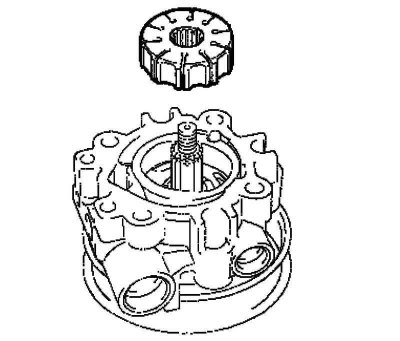
Fig. 5.52. Installing the rotor
Install the power steering pump rotor (Fig. 5.52).
Note: The direction of the power steering pump rotor does not matter.
Lubricate the 10 pump vanes with power steering fluid.
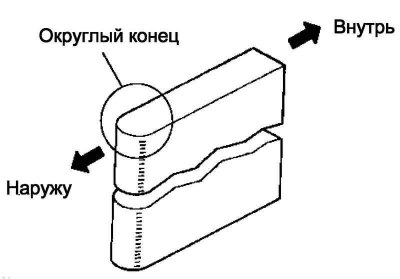
Fig. 5.53. Pump blade installation diagram
Position the blades so that the rounded end faces outward (Fig. 5.53).
Installing the Power Steering Pump Shaft Snap Ring
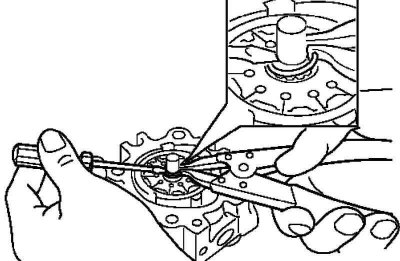
Fig. 5.54. Installing the spring ring
Using a puller and a screwdriver, install the spring retaining ring onto the shaft with the pulley (Fig. 5.54).
Installing the rear part of the power steering pump housing
Lubricate the new O-ring with power steering fluid and install it onto the rear of the pump housing.
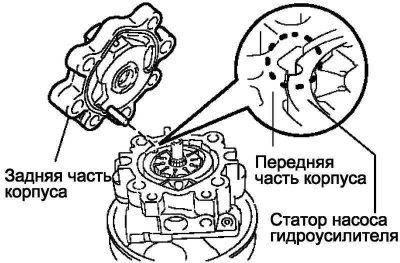
Fig. 5.55. Installing the rear part of the power steering pump housing
Align the guide pin on the rear of the pump housing with the notches on the stator, on the front side plate and on the front of the pump housing and secure the rear of the housing with four bolts (Fig. 5.55).
Tightening torque: 22 Nm.
Checking preload
Make sure the pump rotates without jamming or making any extraneous noise.
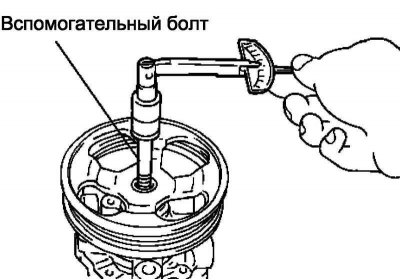
Fig. 5.56. Installing the auxiliary bolt
Tighten the auxiliary bolt without tightening it (Fig. 5.56).
Recommended auxiliary bolt dimensions:
- Thread diameter: 10 mm.
- Thread pitch: 1.25 mm.
- Bolt length: 50mm.
Using a torque wrench, check the torque of the pulley.
Torque of resistance to rotation: no more than 0.27 Nm.
If the torque resistance does not match the specified value, check the oil seal.
Installing a contact sensor
power steering oil pressure
Lubricate the new O-ring with power steering fluid and install it onto the power steering pressure sensor.
Install the oil pressure sensor onto the power steering pump assembly.
Tightening torque: 21 Nm.
Installing a flow control valve
Lubricate the valve spring and flow control valve with power steering fluid.
Insert the valve spring and fluid flow control valve.
Lubricate the new O-ring with power steering fluid and install it onto the pump outlet fitting.
Screw the fitting into the pump outlet.
Tightening torque: 69 Nm.
Installing the Power Steering Pump Inlet Fitting
Lubricate the new O-ring with power steering fluid and install it onto the power steering pump inlet fitting.
Install the power steering pump inlet fitting and secure it with the bolt.
Tightening torque: 12 Nm.
Installing the rear bracket of the power steering pump
Install the rear power steering pump bracket and secure with the bolt.
Tightening torque: 44 Nm.
Installing the power steering pump assembly
Install the power steering pump assembly and secure with two bolts and nuts.
Tightening torque: 37 Nm.
Connect the connector to the power steering oil pressure sensor.
Note: Do not allow oil to come into contact with the connector.
Connecting the power steering pump feed pipe
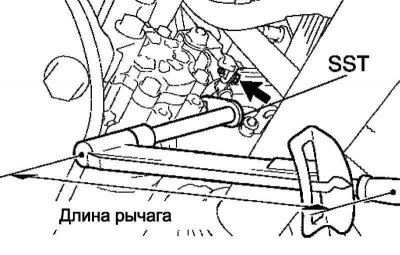
Fig. 5.57. Connecting the power steering pump feed pipe
Connect the feed tube assembly using the SST tool (Fig. 5.57).
Tightening torque: 41 Nm.
Note: Use a torque wrench with a lever length of 345 mm.
Note: The tightening torque value is given for the SST position parallel to the torque wrench.
Install the feed tube clamp and secure it with the bolt.
Tightening torque: 7.8 Nm.
Connecting hose #1, connecting the power steering reservoir and the pump
Connect and secure with a clamp hose No.1, connecting the power steering reservoir and the pump.
Install the fan and alternator V-belt.
Fill the power steering fluid.
Bleed the power steering system.
Check the tightness of the system.
Install the right lower engine shield.
Install the lower engine shield No.1.
Install the right front wheel.
Tightening torque: 103 Nm.