



Contents: Electromagnetic relief valve ↓ Checking the resistance of the…↓ Checking the supply voltage ↓
The basic value of the amount of fuel injected into the engine cylinders (cyclic feed) is calculated by the electronic control unit based on the deviation of the actual engine speed, determined by the speed sensor signal, from its set value. set by the driver by changing the position of the accelerator pedal. In fact, the accelerator pedal position sensor is the throttle position sensor rigidly connected to the accelerator pedal. The cyclic fuel supply required to reduce the detected speed deviation is calculated according to a specified control algorithm by the automatic speed regulator, implemented as a software block in the electronic control unit. The speed regulator operates on the feedback principle. The output signal of the speed regulator is fed to the electromagnetic bypass valve (actuator) The high-pressure fuel pump, where the cyclic fuel supply to the next cylinder is formed, proportional to the frequency regulator signal, as shown in Fig. 3.
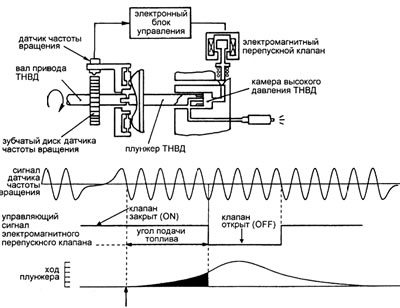
Fig. 3. Method of regulating the volume of fuel injected
When the diesel engine is not operating at the control characteristics, mainly when reaching the limiting characteristics, the output signal of the frequency regulator is automatically limited to values calculated in the electronic unit based on signals received from the intake air temperature, boost pressure and coolant temperature sensors.
When the injection pump shaft rotates, the cams of the washer rigidly connected to the plunger (Fig. 3), starting from a certain angle of rotation of the shaft, run onto the rollers rotating on axes in the washer free relative to the shaft. The cams, pushing off from the rollers, move the plunger to the right, compressing the fuel in the high-pressure chamber of the injection pump. The return stroke of the plunger is carried out due to springs acting on the cam washer. One of them is shown in Fig. 2 below the plunger. The plunger rotating together with the shaft, through a channel made in it with a radial outlet, alternately connects the high-pressure chamber of the injection pump with the high-pressure lines of the injectors of the corresponding cylinders. The high-pressure chamber of the injection pump is connected to the drain through a normally open conical shutter of the electromagnetic bypass valve controlled by the electronic unit. Speed sensor (fuel injection pump shaft positions), interacting with a toothed disk rotating with the shaft, generates a sequence of rectangular electrical pulses. Each tooth of the disk generates one pulse. In the sectors of the disk corresponding to the angles of the beginning of preparation of fuel supply to the next cylinders of the engine, there are no teeth. By the time the working stroke of the plunger begins, the electromagnetic bypass valve must be closed under the action of an electrical pulse received by it from the electronic control unit. The moment of the beginning of the working stroke of the plunger is detected by the electronic control unit by the extension of the pause between the pulses of the shaft position sensor when the sensor passes a sector of the disk without teeth. With the beginning of the working stroke, the plunger of the high-pressure fuel pump, moving to the right, creates fuel pressure in the high-pressure chamber, sufficient to open the injector connected to this chamber. Fuel injection into the cylinder begins. To stop injection, the electronic control unit switches off the electromagnetic valve, its shutter opens, connecting the high-pressure chamber with the drain into the fuel tank. The pressure in the fuel injection pump chamber and in front of the injector drops, the injector closes and the injection ends. The amount of cyclic fuel supply is determined by the injection angle, which begins from the moment the injector opens and ends at the moment the electromagnetic valve switches off. Thus, the supply amount is set by changing the duration of the electrical pulse generated by the speed controller in the electronic control unit.
Electromagnetic relief valve
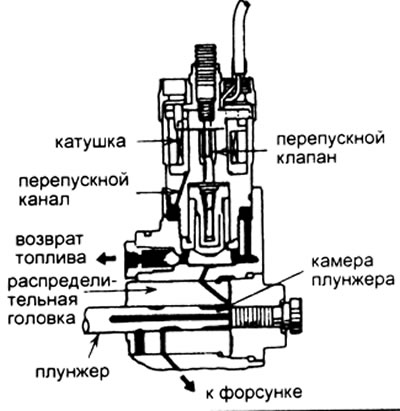
Fig. 4Electromagnetic relief valve device (cross section)
The electromagnetic bypass valve is used to regulate the amount of fuel supplied by opening and closing the fuel return line from the high-pressure chamber of the fuel injection pump to the fuel tank in accordance with signals from the electronic control unit. The amount of fuel injected is regulated by increasing or decreasing the period between the start of the plunger lift and the opening of the fuel return channel. The electromagnetic bypass control valve is a dispenser of fuel supplied to the cylinders. The design of the electromagnetic bypass valve is shown in Figure 4. The operation of the electromagnetic bypass valve is explained by the diagram of the change in voltage supplied by the electronic control unit to the solenoid coil (see fig. 5). To speed up the response (closing the shutter) valve, a forcing voltage of about 50 V is briefly applied to the coil, which is obviously higher than the long-term permissible voltage under the conditions of heating the coil. After the valve is triggered, the voltage on the coil decreases to 0.5 V. Due to the decrease in magnetic resistance in the triggered electromagnet, this voltage is sufficient to hold the electromagnet anchor attracted together with the valve. As a result, the consumption of electrical energy and the heating of the electromagnet are radically reduced. In addition, conditions are created for accelerating the shutdown (opening the shutter) valve. After the valve is switched off, voltage pulses are sent to its coil from the electronic unit (on a triangular diagram), the amplitude of which is obviously insufficient for the valve to operate. These pulses can be used, for example, to diagnose the metering valve. The electromagnetic bypass valve is installed vertically on the distribution head in the rear upper part of the fuel injection pump housing.
When the ignition is on, battery voltage is supplied between terminals 1 and ground. This enables the electromagnetic metering valve to be turned on when the diesel engine is running. When the ignition is turned off, voltage is removed from the metering coil and it acts as a cut-off valve. The diesel engine stalls. In case of fuzzy plunger operation (mechanical wear, unclear and incomplete opening of the key transistor, poor contacts in the connector) the amount of injected fuel decreases, engine power drops, and starting, both cold and hot, is difficult.
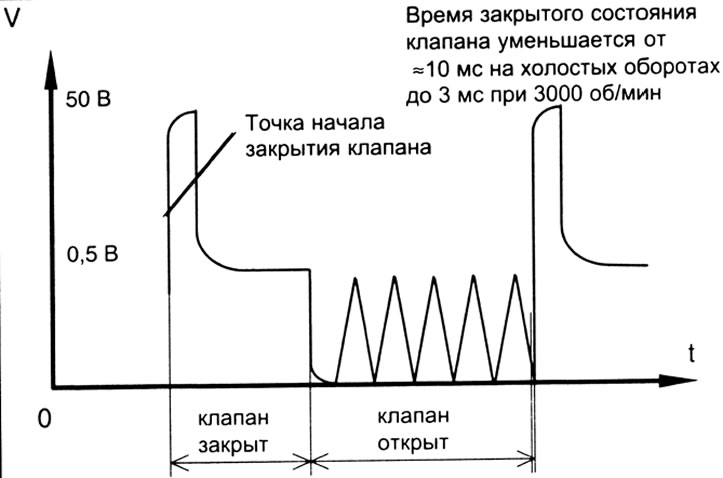
Fig. 5 Diagram of the change in voltage supplied to the coil of the electromagnetic bypass valve
Checking the resistance of the electromagnetic bypass valve
1. Turn off the ignition.
2. Disconnect the electromagnetic bypass valve connector.
3. Measure the resistance between the valve terminals. The resistance value should be in the range of 1.0 - 2.0 Ohm at a temperature of 20°C.
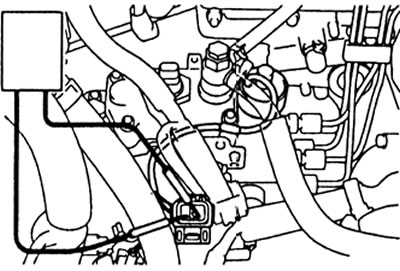
Fig. 6 Checking the resistance of the electromagnetic bypass valve
Checking the supply voltage
1. Turn off the ignition.
2. Disconnect the electromagnetic bypass valve connector.
3. Turn on the ignition.
4. Measure the voltage between the ground and the connector terminals. The voltage should be: at the power terminal (black wire) 13 V, at the terminal of the key transistor controlling the valve operation (red wire) 10.5 V.
5. If the voltage does not meet the technical specifications, check the wiring and relay.
Note: There are several modifications of electronically controlled injection pumps, and the valves on them have different threads.
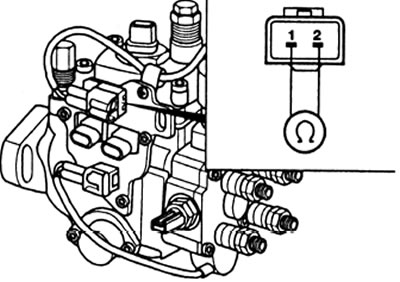
Fig. 7Checking the voltage of the electromagnetic bypass valve