



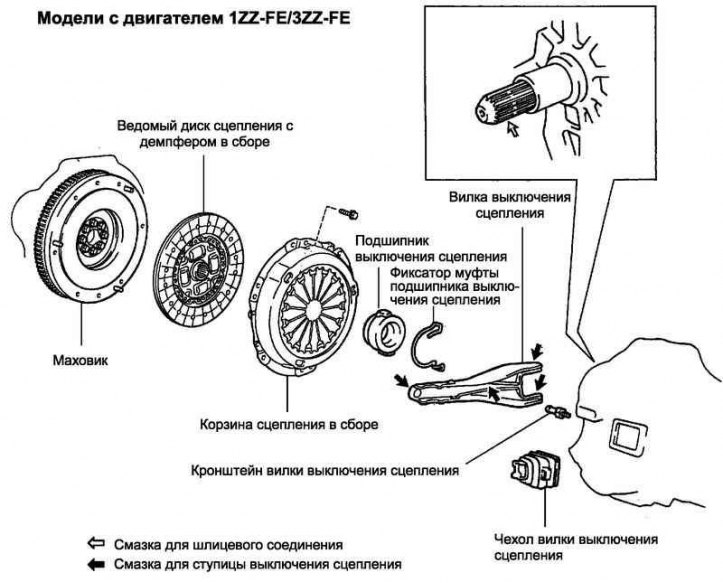
Fig. 3.42. Clutch components
Removal the clutch release fork
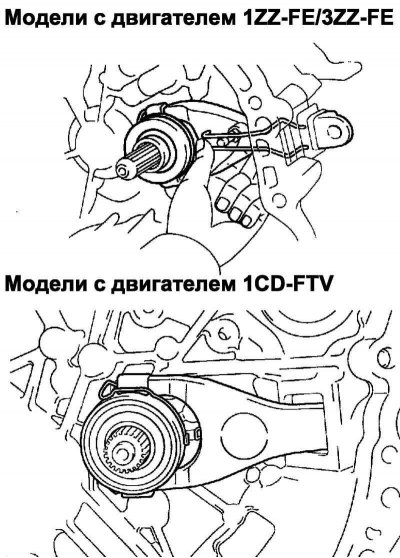
Fig. 3.43. Removing the clutch release fork
Remove the clutch release fork with the clutch release bearing from the manual transmission housing in the block with the final drive (Fig. 3.43).
Removal the clutch release bearing
Remove the clutch release bearing from the clutch release fork.
Removal the clutch release fork bracket
Remove the clutch release fork bracket from the front final drive housing.
Remove the clutch release bearing sleeve retainer.
Remove the clutch release fork boot.
Removal the clutch basket assembly
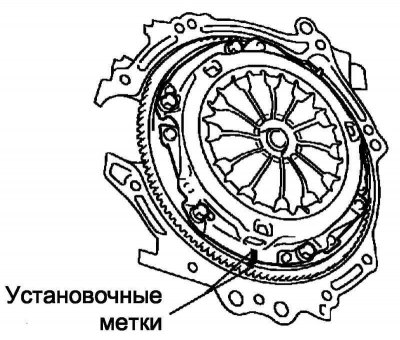
Fig. 3.44. Markings on the clutch basket
Place marks on the clutch basket and flywheel so that they can be installed in their original position during subsequent assembly (Fig. 3.44).
Loosen the mounting bolts by gradually unscrewing them one turn at a time until the spring load is reduced.
Unscrew the mounting bolts and remove the clutch basket.
Note: Work should be performed carefully to avoid dropping the clutch driven disc.
Remove the clutch driven disc with the damper assembly.
Note: Make sure that no oil or foreign particles get on the friction linings of the driven disk, the working surfaces of the pressure plate and the flywheel.
Checking the condition of the clutch slave disc
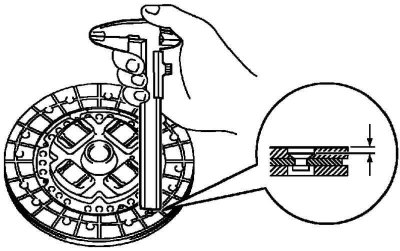
Fig. 3.45. Measuring the rivet penetration
Use a caliper to measure the depth of the rivets (Fig. 3.45).
Minimum permissible rivet penetration: 0.3 mm.
If necessary, replace the clutch driven disc with the damper assembly.
Install the clutch slave disc into the gearbox.
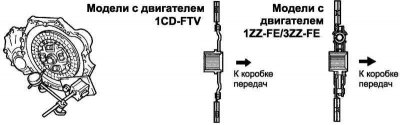
Fig. 3.46. Correct position of the clutch disc during installation
Note: When installing, ensure that the clutch driven disc with the damper assembly is correctly oriented.
Using an indicator, measure the radial runout of the clutch driven disc with the damper assembly.
Maximum permissible radial runout: 0.8 mm.
If necessary, replace the clutch driven disc with the damper assembly.
Checking the clutch basket assembly
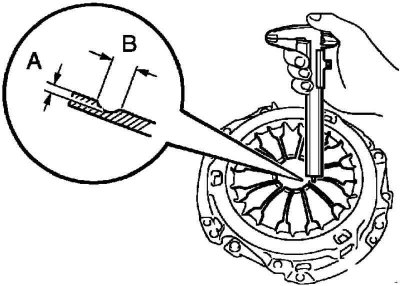
Fig. 3.47. Measuring the depth of diaphragm blade wear
Use a caliper to measure the depth and width of the groove formed due to wear on the diaphragm spring petals (Fig. 3.47).
Manual transmission in block with main gear type C251A.
- A (Depth): 0.3 mm.
- W(Width): 6.0mm.
The maximum permissible value of the manual transmission in the block with the main transmission of the type C251/E358.
- A (Depth): 0.5 mm.
- W(Width): 6.0mm.
Replace the clutch basket assembly if necessary.
Checking the flywheel
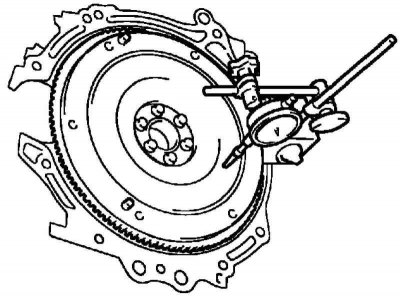
Fig. 3.48. Measuring the radial runout of the flywheel
Measure the flywheel radial runout using a dial indicator (Fig. 3.48).
Maximum permissible value of radial runout: 0.1 mm.
Replace the flywheel if necessary.
Checking the clutch release bearing assembly
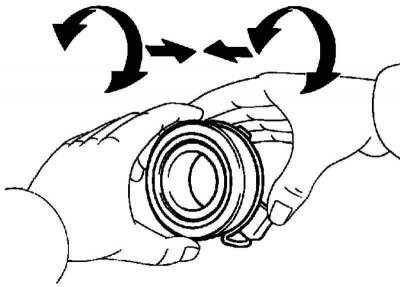
Fig. 3.49. Checking the clutch release bearing
Check if it's free (without jamming) the clutch release bearing moves, rotating and simultaneously moving in the axial direction (Fig. 3.49).
Check to see if the bearing is excessively worn or damaged.
Note: Replace the clutch release bearing assembly if necessary.
Installing the clutch slave disc with damper assembly
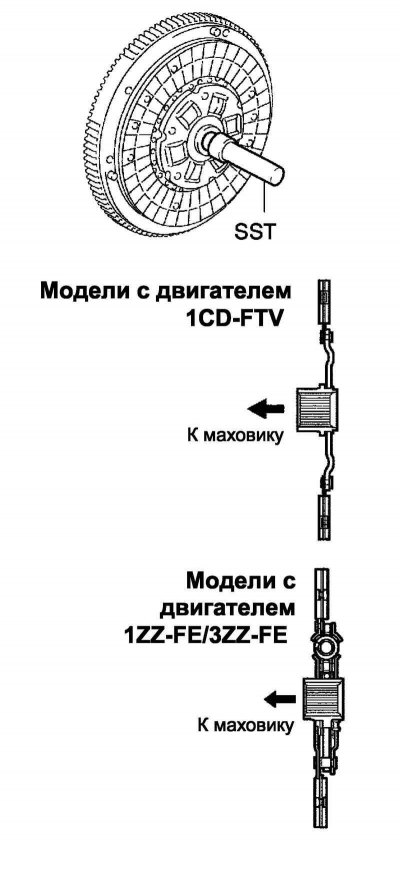
Fig. 3.50. Installation diagram of the clutch driven disc with damper assembly
Insert the SST mandrel into the clutch driven disc with damper assembly and install the disc on the flywheel (Fig. 3.50).
Note: When installing, ensure that the clutch driven disc with the damper assembly is correctly oriented.
Installing the clutch basket assembly
Align the timing marks on the clutch basket and flywheel.
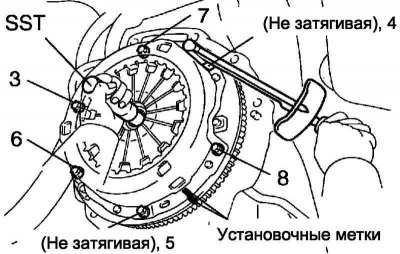
Fig. 3.51. Clutch basket mounting bolt tightening sequence
Tighten the 6 bolts in the sequence shown in Figure 3.51. Start with the bolt located next to the guide pin at the top.
Tightening torque: 19 Nm.
Move the SST slightly up, down, right and left to ensure the driven disc is properly centered, then tighten the bolts.
Checking and adjusting the clutch basket assembly
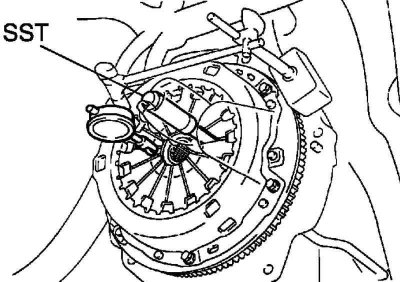
Fig. 3.52. Measuring the position of the ends of the diaphragm spring petals
Using a roller indicator, measure whether the ends of the diaphragm spring petals lie in the same plane (Fig. 3.52).
Maximum permissible deviation from the plane: 0.5 mm.
If the value is not within the nominal value, align the diaphragm spring petal using the SST tool.
Installing the clutch release fork bracket
Install the clutch release fork bracket to the front gearbox housing. Tightening torque: 37 N·m.
Installing the clutch release fork
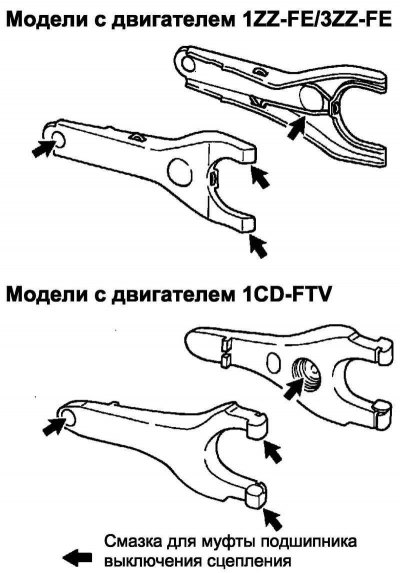
Fig. 3.53. Places of application of consistent lubricant
Apply clutch release hub grease to the mating surfaces of the release fork and bearing, the release fork and rod, and the release fork and its bracket (Fig. 3.53).
Clutch release bearing grease or similar.
Install the clutch release bearing onto the fork.
Install the clutch release bearing sleeve retainer.
Installing the clutch release bearing assembly
Apply spline grease to the input shaft splines.
Clutch spline grease or similar.
Install the clutch release bearing assembly with the clutch release fork into the gearbox housing.
Note: After installation, move the fork back and forth and make sure the release bearing moves easily.
Install the clutch release fork boot.
Install the manual transmission in the block with the main gear.