



Clean the brake lines.
Caution: The brake lines are coated with plastic to protect against corrosion. If the protective layer is damaged, this may lead to corrosion of the lines. For this reason, do not clean the lines with a wire brush, sandpaper or scrape with a screwdriver.
Inspect the lines from the master brake cylinder to the wheel cylinders with a lamp. The master brake cylinder is located in the engine compartment under the brake fluid reservoir.
No bends or crushing of pipelines, traces of corrosion or abrasion are allowed. If the above defects are present, the pipelines must be replaced.
Brake hoses connect the brake pipes to the wheel cylinders, compensating for their mutual movement. They are made of high-strength material. However, over time, they can age, lose their properties, and be damaged by sharp objects. Damaged hoses must be replaced.
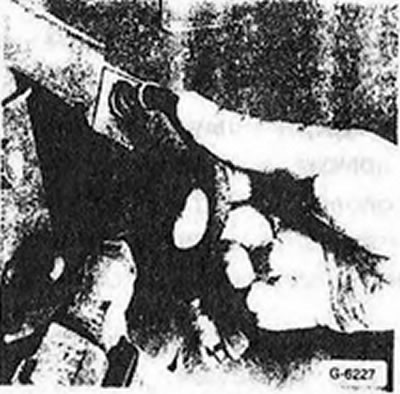
Check for damage by bending it with your hands. Hoses must not be twisted.
Turn the steering wheel to the right and left until it stops. The brake hoses should not touch the vehicle components in any position.
The original publication can be found on the website: ToyotaMAN.ru
Brake fluid must not leak from the hose connections.
Caution: If the brake fluid reservoir appears wet, this does not indicate damage to the master cylinder. Most likely, brake fluid is leaking through the vent hole in the reservoir cap.
Remove the car from the lift.