



Contents: Adjustment ↓ Removal high pressure fuel pipe #1 ↓ Checking valve drive clearances ↓ Valve clearance (cold engine) ↓ Adjusting valve clearances ↓ Example (for intake valves) ↓
Adjustment
Disconnect the negative battery terminal.
Note: Before removing the high pressure fuel lines, clean them with a soft brush and compressed air.
Note: After removing the high-pressure fuel pipes, to prevent dust from entering, cover the high-pressure fuel pump, common rail fuel line and injectors with film and secure it with vinyl tape.
Note: After removing the cylinder head cover, cover the injector intake ports with a vinyl or plastic bag to prevent foreign particles from entering.
Caution! Check and adjust valve clearances after the engine has cooled down.
Remove the upper outer hood panel.
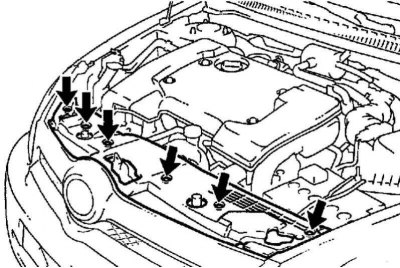
Fig. 2.325. Fastening the upper radiator casing
Remove the 6 clips, then remove the upper radiator shroud (fig. 2.325).
Remove the front right wheel.
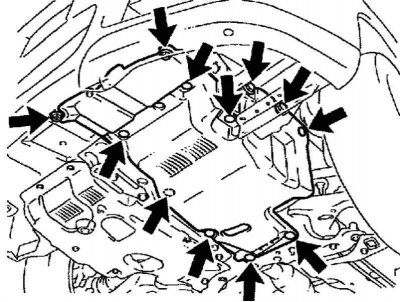
Fig. 2.326. Fastening the lower left engine shield
Remove 4 bolts and 8 clips, then remove the lower left engine shield (fig. 2.326).
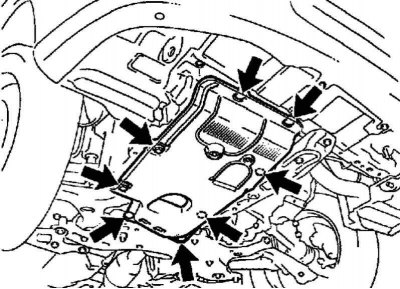
Fig. 2.327. Fastening the lower shield of engine No.1
Remove 2 bolts and 6 clips, then remove the lower shield of engine No.1 (fig. 2.327).
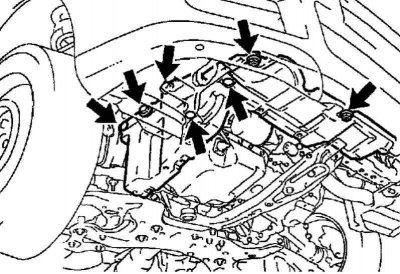
Fig. 2.328. Fastening the lower engine shield
Remove 4 bolts and 3 clips, then remove the lower engine shield (fig. 2.328).
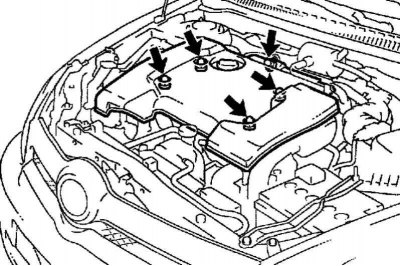
Fig. 2.329. Fastening the engine cover
Remove 5 nuts, then remove the engine cover (fig. 2.329).
Remove the battery.
Remove air duct #1.
Disconnect the engine wiring harness.
Remove timing belt drive cover No.2.
Removal high pressure fuel pipe #1
Remove 2 nuts and disconnect 2 upper high pressure fuel line clamps from the intake manifold.
Using SST, disconnect the high pressure fuel line from the Common Rail fuel rail.
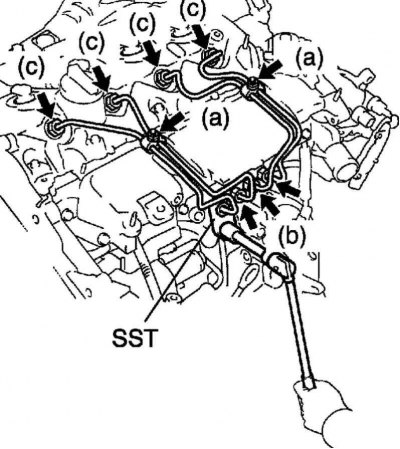
Fig. 2.330. Removing high-pressure fuel pipe No.1
Using SST, disconnect the high pressure fuel line from the injector (fig. 2.330).
After removing the high pressure fuel line, cover the fuel rail with vinyl tape and cover the injector inlet with a plastic bag to prevent dirt and foreign particles from entering.
Remove high pressure fuel lines No.2 and No.4.
Note: Perform the same operations as when removing high pressure fuel pipe No.1.
Remove the cylinder head cover.
Remove the fuel return line assembly.
Remove the injectors as an assembly.
Note: Since each injector has its own fuel injection characteristics, the removed injectors must be arranged in a certain order so that the injectors can be installed in their original locations during assembly.
Checking valve drive clearances
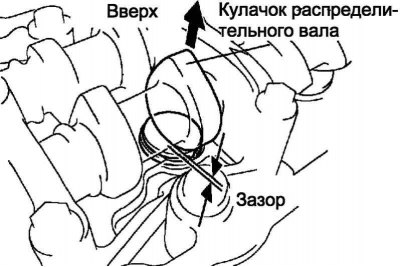
Fig. 2.331. Position of the camshaft cam lobe
Turn the crankshaft so that the cam lobe located above the valve being tested is pointing upwards (fig. 2.331).
Using a set of feeler gauges, measure the clearance between the valve lifter and the camshaft cam.
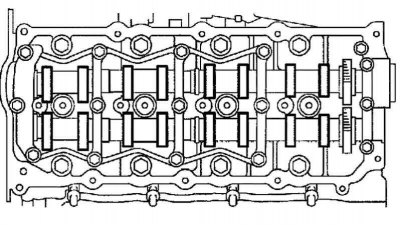
Fig. 2.332. Valves to be tested
Measure the clearance in the 16 valve drive (fig. 2.332)
Record the results of valve clearance measurements that do not correspond to the prescribed values. This data will be needed later to select adjusting washers.
Valve clearance (cold engine)
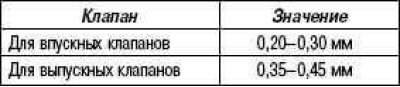
Adjusting valve clearances
Remove the adjusting washer.
Turn the crankshaft so that the cam lobe located above the adjustable valve is pointing upward.
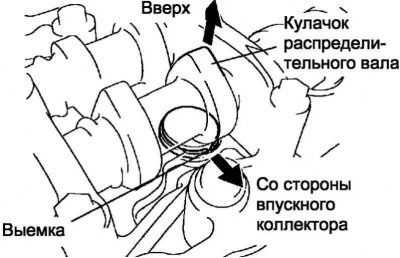
Fig. 2.333. Notch on the valve tappet
Rotate the recess on the valve lifter towards the intake manifold (fig. 2.333).
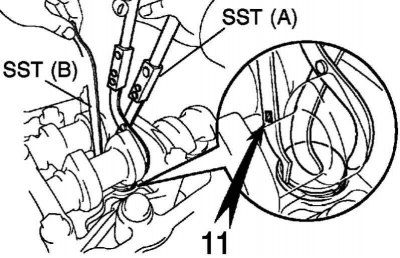
Fig. 2.334. Installation of special tools A and B
Using SST (A), press the valve lifter down, then insert SST (B) between the camshaft lobe and the valve lifter. Remove SST (A) (fig. 2.334).
Note: Use SST (B) marked "11".
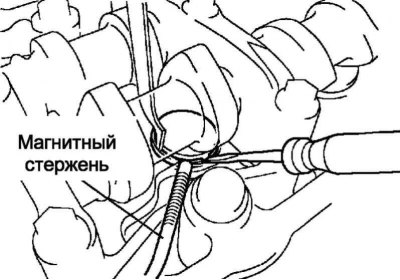
Fig. 2.335. Removing the adjusting washer
Using a small screwdriver and a magnetic rod, remove the adjusting washer (fig. 2.335).
Select the replacement shim according to the formulas and tables provided at the end of the chapter.
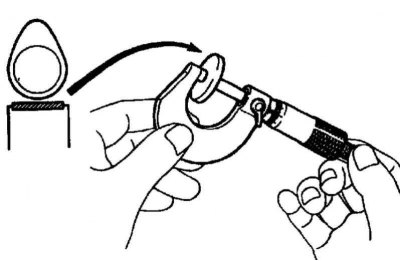
Fig. 2.336. Measuring the thickness of the removed washer
Use a micrometer to measure the thickness of the removed washer (fig. 2.336).
Calculate the thickness of the new washer so that the valve drive clearance matches the specified value.
- T - Thickness of the removed adjusting washer.
- A - Measured clearance in the valve drive.
- N - Thickness of the new adjusting washer.
For intake valves:
N = T + (A–0.25 mm)
For exhaust valves:
N = T + (A–0.40 mm)
Note: Select a new washer whose thickness is closest to the calculated value.
Example (for intake valves)
Measured clearance in the intake valve drive = 0.45 mm.
0.45 mm – 0.25 mm = 0.20 mm.
(measured – nominal = excess clearance).
Measured thickness of removed washer = 2.80 mm.
0.20 mm + 2.80 mm = 3.00 mm.
(excess clearance + thickness of removed washer = ideal thickness of new washer)
The closest thickness of a new washer = 3.00 mm.
Select washer #21.
Note: Adjusting washers are available in 17 sizes in 0.05mm increments, from 2.50mm to 3.30mm.
Install a new adjusting washer.
Place a new adjusting washer onto the valve lifter.
Using SST (A), press the valve lifter down, then remove SST (B) (fig. 2.334).
Recheck the valve drive clearance.
Install the injector assembly.
Install the fuel return line assembly.
Install the cylinder head cover.
Install high pressure fuel line No.1.
Note: Installation of tubes should be performed with the engine cooled to room temperature or below.
Remove the plastic bag from the injector and the vinyl tape from the fuel rail.
Fit the high pressure fuel line.
Using SST, tighten the high pressure fuel line to fuel rail retaining nut.
Tightening torque: 31 Nm with SST, 34 Nm without SST.
Note: Use a torque wrench with a lever length of 30 cm.
Note: After installation, make sure the high pressure fuel pipe is not deformed and is installed correctly. If the pipe is deformed or cannot be installed correctly, replace the pipe with a new one.
Using SST 09023-12700, tighten the high pressure fuel line to injector retaining nut.
Tightening torque: for used tubes – 42 Nm with SST, 46 Nm without SST.
For new tubes: 31 Nm with SST, 34 Nm without SST.
Install the 2 upper high pressure fuel pipe clamps and secure with 2 nuts.
Tightening torque: 5.0 Nm.
Note: Install the remaining components in the reverse order of removal.