



Contents: Removal camshaft #2 ↓ Removal the camshaft ↓ Checking the camshaft synchronizing…↓ Removal the camshaft synchronizing…↓ Installing the camshaft…↓ Installing the camshaft ↓ Installing camshaft #2 ↓
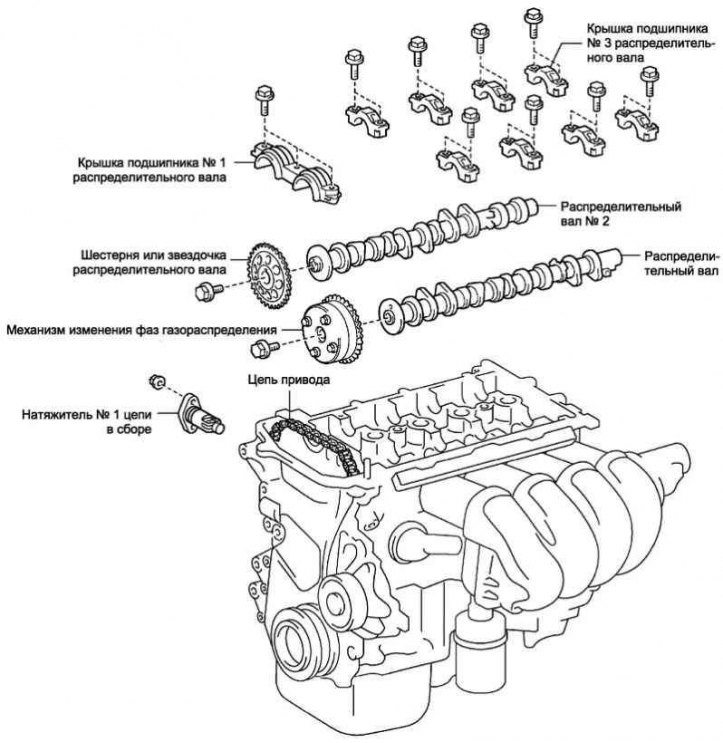
Fig. 2.157. Components of camshafts
Remove the cylinder head cover.
Set the piston of cylinder No.1 to TDC of the compression stroke.
Removal camshaft #2
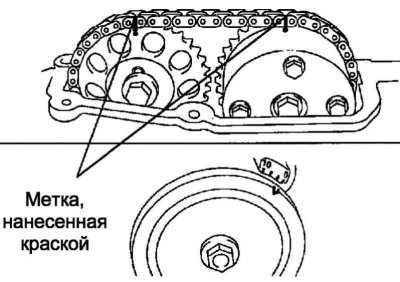
Fig. 2.158. Places of application of the camshaft chain and drive gears
Apply marks to the chain and to the camshaft drive gears (fig. 2.158).
Unscrew 2 nuts, then remove the chain tensioner.
Caution! Do not rotate the crankshaft unless the chain is tensioned by the tensioner.
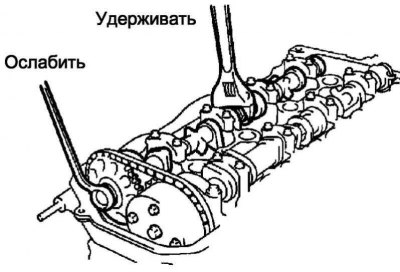
Fig. 2.159. Loosening the camshaft synchronizing clutch mounting bolt
While holding the hexagonal portion of the camshaft with a wrench, loosen the camshaft timing clutch mounting bolt (fig. 2.159).
Note: Be careful not to damage the valve lifters.
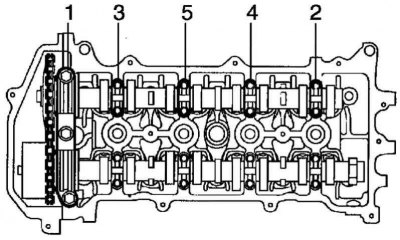
Fig. 2.160. The order of loosening the bearing cap fastening bolts
In several stages, evenly loosen and unscrew the 11 bolts, acting in the sequence shown in Figure 2.160, then remove the 5 bearing caps.
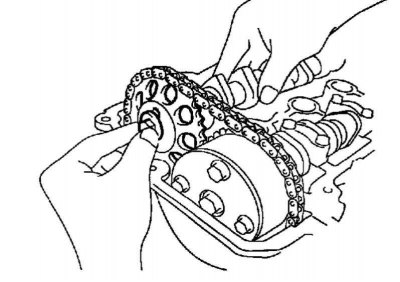
Fig. 2.161. Removing the camshaft drive gear
Remove the camshaft drive gear as shown in Figure 2.161.
Removal the camshaft
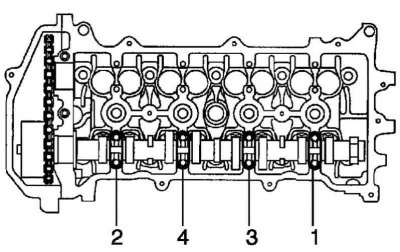
Fig. 2.162. The order of loosening the bearing cap fastening bolts
In several steps, evenly loosen and unscrew the 8 bolts, acting in the sequence shown in Figure 2.162, then remove the 4 bearing caps.
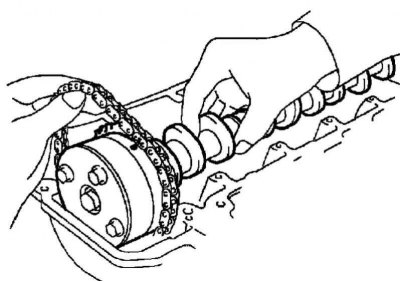
Fig. 2.163. Removing the camshaft
While holding the chain by hand, remove the camshaft and camshaft timing clutch (fig. 2.163).
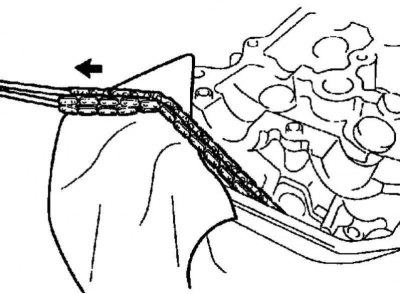
Fig. 2.164. Securing the chain
Secure the chain with wire as shown in Figure 2.164.
Note: Make sure that no foreign objects get inside the timing chain cover.
Checking the camshaft synchronizing clutch
Check if the camshaft synchronizing clutch is locked.
Clamp the camshaft in a vice, then make sure the timing clutch is locked.
Note: Care must be taken not to damage the camshaft.
Remove the locking pin.
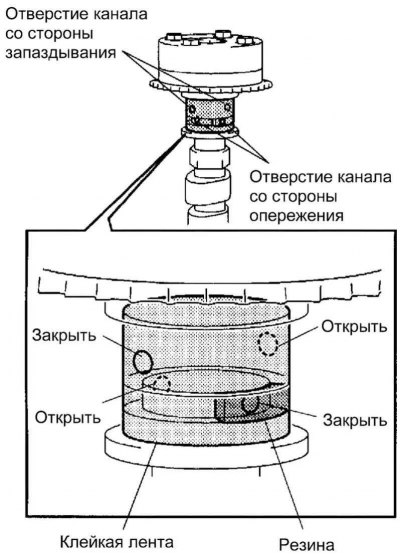
Fig. 2.165. Adhesive tape installation diagram
Cover the 4 oil passage holes on the camshaft journal with adhesive tape as shown in Figure 2.165.
Note: The two oil passage holes on the advance side are located in the camshaft grooves. Close one of the passages with a rubber plug.
Pierce the tape from the advance channel side and from the retard channel side on the opposite side of the groove.
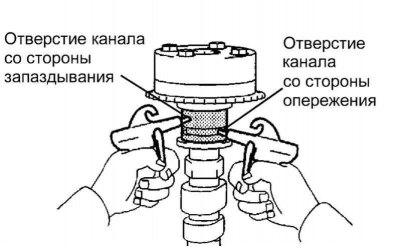
Fig. 2.166. Compressed air supply
Feed into two open channels (from the lead side and from the lag side) compressed air at a pressure of about 150 kPa (fig. 2.166).
Caution: To avoid oil splashing, cover the channel openings with a rag.
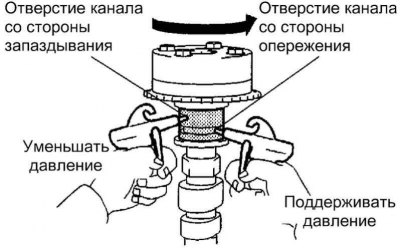
Fig. 2.167. Checking the synchronizing clutch
Make sure that when the air pressure in the retard channel decreases, the camshaft synchronizing clutch turns in the advance direction (fig. 2.167).
Note: When the locking pin is removed, the camshaft timing clutch rotates in the advance direction.
When the camshaft timing clutch reaches the maximum advance position, stop supplying compressed air to the retard side channel, then stop supplying compressed air to the advance side channel.
Caution! If the compressed air supply to the advance side channel is stopped before the compressed air supply to the retard side channel is stopped, the camshaft timing clutch may unexpectedly turn to the retard side. This often results in breakage of the locking pin.
Check if the synchronizing clutch turns smoothly.
Turn the camshaft timing clutch several times within the rotation range without reaching the most retarded position, then check whether it turns smoothly.
Caution! The coupling must be turned by hand without applying compressed air.
Check if the clutch locks in the position of greatest retardation.
Make sure the camshaft timing clutch is locked in the most retarded position.
Removal the camshaft synchronizing clutch
Clamp the camshaft in a vice, then make sure the synchronizing clutch is locked.
Caution: Be careful not to damage the camshaft.
Cover the 4 oil passage holes on the camshaft journal with adhesive tape as shown in Figure 2.165.
Note: Two oil channel holes on the advance side are located in the camshaft grooves. Close one of the channels with a rubber plug.
Pierce the tape from the advance channel side and from the retard channel side on the opposite side of the groove.
Feed into two open channels (from the lead side and from the lag side) compressed air at a pressure of about 150 kPa (fig. 2.166).
Caution: To avoid oil splashing, cover the channel openings with a rag.
Make sure that when the air pressure in the retard channel decreases, the camshaft synchronizing clutch turns in the advance direction.
Note: When the locking pin is removed, the camshaft timing clutch rotates in the advance direction.
When the camshaft timing clutch reaches the maximum advance position, stop supplying compressed air to the retard side channel, then stop supplying compressed air to the advance side channel.
Caution! If the compressed air supply to the advance side channel is stopped before the compressed air supply to the retard side channel is stopped, the camshaft timing clutch may unexpectedly turn to the retard side. This often results in breakage of the locking pin.
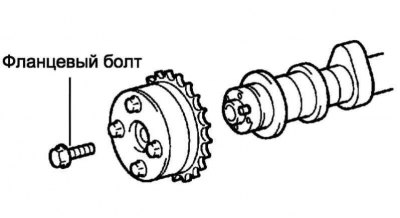
Fig. 2.168. Synchronizing clutch fastening bolt
Loosen the mounting bolt and remove the camshaft synchronizing sleeve assembly (fig. 2.168).
Note: Do not remove the remaining 4 bolts.
Note: When reusing the camshaft timing clutch, first release the locking pin, then install the clutch.
Installing the camshaft synchronizing clutch
Install the camshaft timing clutch onto the camshaft without inserting the pin into the groove.
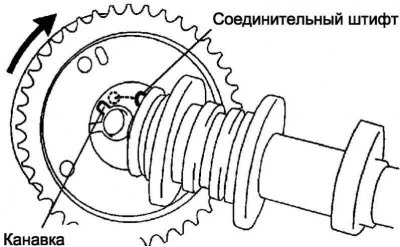
Fig. 2.169. Installing the synchronizing clutch
Turn the synchronizing sleeve to the left as shown in Figure 2.169, pressing it lightly towards the camshaft. Continue pressing until the pin enters the groove.
Caution! Do not rotate the synchronizing clutch in the direction of lag (to the right).
Make sure there is no gap between the synchronizing clutch and the camshaft.
Tighten the mounting bolt, securing the camshaft synchronizing sleeve. Tightening torque: 54 N·m.
Make sure the synchronizing clutch can rotate in the retard direction (to the right) and is locked in the most retard position.
Installing the camshaft
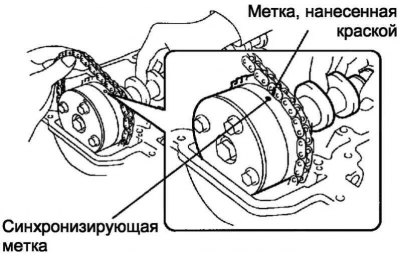
Fig. 2.170. Installing the timing chain of the camshaft clutch
Place the chain on the camshaft timing clutch, aligning the links with the mark with the timing marks on the camshaft gears, as shown in Figure 2.170.
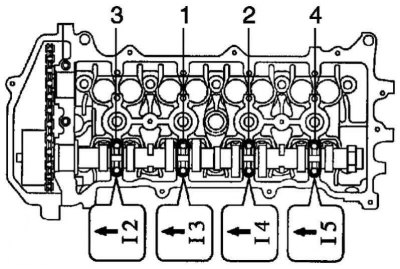
Fig. 2.171. The order of tightening the bolts securing the camshaft bearing caps
Check that the marks, which should face the front of the engine, and the cover numbers are correctly positioned, then tighten the bolts in the sequence shown in Figure 2.171. Tightening torque: 13 N·m.
Installing camshaft #2
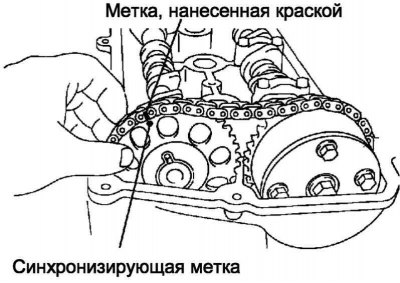
Fig. 2.172. Installing camshaft No.2
Install camshaft #2 into the cylinder head, aligning the paint mark with the mark on the camshaft drive gear (fig. 2.172).
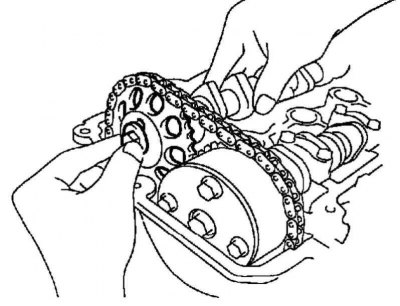
Fig. 2.173. Fitting the camshaft drive gear mounting bolt
Tighten the camshaft drive gear mounting bolt (fig. 2.173).
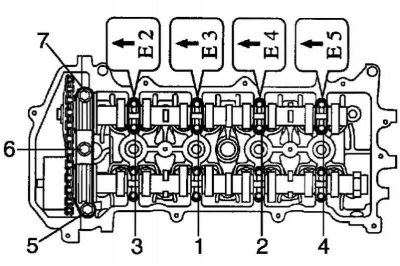
Fig. 2.174. Tightening order of bearing cap fastening bolts of camshaft No.2
Check that the marks, which should face the front of the engine, and the cover numbers are correctly positioned, then tighten the bolts in the sequence shown in Figure 2.174. Tightening torque: 13 N·m.
Install bearing cover No.1. Tightening torque: 23 N·m.
Hold the hexagonal portion of the camshaft with a wrench and tighten the camshaft drive gear mounting bolt. Tightening torque: 54 N·m.
Note: Be careful not to damage the valve lifters.
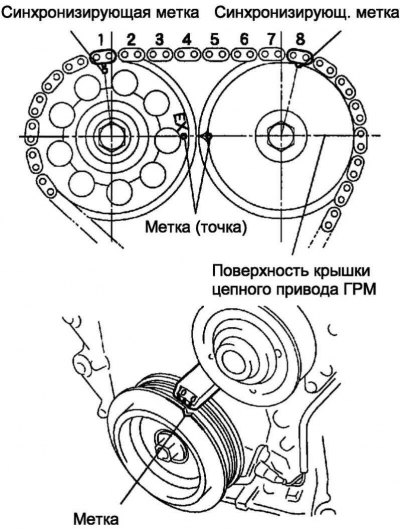
Fig. 2.175. Alignment of synchronization marks
Make sure that the 2 marks (dots) are located opposite each other. Also make sure that each of the timing marks coincides with the corresponding marked link of the timing chain drive, as shown in Figure 2.175. In addition, make sure that the mark on the crankshaft pulley is aligned with the timing mark "0" on the timing chain drive cover.
Install the chain tensioner.
Make sure there is no dirt on the sealing ring, then install the hook.
Apply a thin layer of engine oil to the O-ring.
Secure the chain tensioner with 2 nuts. Tightening torque: 9.0 Nm.
Note: Be careful not to crush the sealing ring.
Note: If the hook comes loose and releases the plunger while installing the chain tensioner, re-attach the plunger with the hook.
Turn the crankshaft counterclockwise, then remove the hook from the lock pin and release the plunger.
Turn the crankshaft clockwise and make sure the plunger presses on the chain tensioner shoe.
If the plunger does not extend, use a screwdriver to press the shoe towards the tensioner until the hook disengages from the locking pin and the plunger can extend.
Check and adjust the valve clearance.
Install the cylinder head cover.
The installation of the remaining components is carried out in the reverse order of removal.