



Share information:
Vehicle Maintenance Toyota Camry 3 (XV30)

Maintenance information
Regular maintenance is essential. We strongly recommend that you take care of your new vehicle by servicing your Toyota according to the maintenance schedule provided on the following pages. Regular maintenance will...
Regular maintenance is essential. We strongly recommend that you take care of your new vehicle by servicing your Toyota according to the maintenance schedule provided on the following pages. Regular maintenance will...

Maintenance schedule
During vehicle operation, such processes as loosening of fastening of units and assemblies, wear of rubbing surfaces, violation of adjustment parameters, aging of rubber products and paint coatings inevitably occur. To...
During vehicle operation, such processes as loosening of fastening of units and assemblies, wear of rubbing surfaces, violation of adjustment parameters, aging of rubber products and paint coatings inevitably occur. To...

Checking the engine oil level
Fig. 1.164. Engine oil dipsticks When the engine is at operating temperature and turned off, check the oil level on the dipstick (fig. 1.164). 1. To get an accurate reading, the vehicle must be parked on level ground....
Fig. 1.164. Engine oil dipsticks When the engine is at operating temperature and turned off, check the oil level on the dipstick (fig. 1.164). 1. To get an accurate reading, the vehicle must be parked on level ground....

Replacing the oil filter on a car with a 1AZ-FE and 2AZ-FE engine
Remove the oil filler cap. Remove the oil drain plug and drain the oil into a container. Fig. 1.165. Removing the oil filter Using special tool 09228-06501, remove the oil filter. (fig. 1.165). Check and clean the oil...
Remove the oil filler cap. Remove the oil drain plug and drain the oil into a container. Fig. 1.165. Removing the oil filter Using special tool 09228-06501, remove the oil filter. (fig. 1.165). Check and clean the oil...
Checking the engine coolant level
When the engine is cold, look at the transparent expansion tank of the cooling system. The coolant level is satisfactory if it is between the "F" and "L" lines on the tank. If the level is lower, add coolant. The...
When the engine is cold, look at the transparent expansion tank of the cooling system. The coolant level is satisfactory if it is between the "F" and "L" lines on the tank. If the level is lower, add coolant. The...
Checking the radiator and condenser
If any of the above parts are heavily soiled or you are unsure of their condition, take the vehicle to a Toyota dealer. Caution: If the engine is hot, do not touch the radiator or condenser to prevent burns.
If any of the above parts are heavily soiled or you are unsure of their condition, take the vehicle to a Toyota dealer. Caution: If the engine is hot, do not touch the radiator or condenser to prevent burns.

Checking tire pressure
Maintain tire pressure at the appropriate level. It is necessary to check the tire pressure every two weeks or at least once a month. Don't forget to check the pressure in the spare tire! Incorrect tire pressure can...
Maintain tire pressure at the appropriate level. It is necessary to check the tire pressure every two weeks or at least once a month. Don't forget to check the pressure in the spare tire! Incorrect tire pressure can...
Checking, replacing and rotating tires
Checking tires Check tire treads for wear indicators. If the indicators are visible, replace the tires. The location of tire wear indicators is indicated by the marking "TWI" or "L", etc., stamped on the sidewall of...
Checking tires Check tire treads for wear indicators. If the indicators are visible, replace the tires. The location of tire wear indicators is indicated by the marking "TWI" or "L", etc., stamped on the sidewall of...
Rechargeable battery — safety precautions
The battery produces flammable and explosive hydrogen gas. When using tools, avoid sparking from the battery. Smoking and lighting matches near the battery is prohibited. The electrolyte contains poisonous and corrosive...
The battery produces flammable and explosive hydrogen gas. When using tools, avoid sparking from the battery. Smoking and lighting matches near the battery is prohibited. The electrolyte contains poisonous and corrosive...
External inspection of the battery
Check the battery for corroded or loose terminal connections, cracks, or loose hold-down clamps. If the battery has become corroded, wash the battery with a solution of warm water and baking soda. Apply grease to the...
Check the battery for corroded or loose terminal connections, cracks, or loose hold-down clamps. If the battery has become corroded, wash the battery with a solution of warm water and baking soda. Apply grease to the...
Precautions when recharging the battery
During charging, the battery releases hydrogen gas. Therefore, before recharging: 1. If charging is performed while the battery is installed in the vehicle, be sure to disconnect the ground cable. 2. When connecting or...
During charging, the battery releases hydrogen gas. Therefore, before recharging: 1. If charging is performed while the battery is installed in the vehicle, be sure to disconnect the ground cable. 2. When connecting or...
Adding fluid to the washer reservoir
If any windshield washer does not work, the windshield washer reservoir may be empty. Add washer fluid. You can use plain water as a washer fluid. But in cold climates where the temperature range is below 0°C, use a...
If any windshield washer does not work, the windshield washer reservoir may be empty. Add washer fluid. You can use plain water as a washer fluid. But in cold climates where the temperature range is below 0°C, use a...
Replacing lamps in lighting fixtures
When replacing a bulb, make sure the ignition and light switches are off. Use bulbs with the rated power specified in the table. Caution: To prevent burns, do not replace lamps while they are hot. Warning! Halogen bulbs...
When replacing a bulb, make sure the ignition and light switches are off. Use bulbs with the rated power specified in the table. Caution: To prevent burns, do not replace lamps while they are hot. Warning! Halogen bulbs...
Replacing low beam lamps
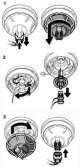
1. Open the hood. Disconnect the connector by pressing the release button. Turn the bulb counterclockwise and remove it. 2. Release the lamp retaining spring and remove the lamp. Disconnect the connector and install a...
1. Open the hood. Disconnect the connector by pressing the release button. Turn the bulb counterclockwise and remove it. 2. Release the lamp retaining spring and remove the lamp. Disconnect the connector and install a...
Replacing high beam bulbs
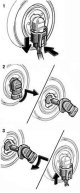
Fig. 1.168. High beam lamp replacement diagram 1. Open the hood. Disconnect the connector by pressing the release button (see fig. 1.168). If the connector is tight, wiggle it. 2. Turn the lamp counterclockwise and...
Fig. 1.168. High beam lamp replacement diagram 1. Open the hood. Disconnect the connector by pressing the release button (see fig. 1.168). If the connector is tight, wiggle it. 2. Turn the lamp counterclockwise and...
Replacing parking light bulbs
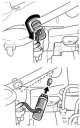
Fig. 1.169. Parking light bulb replacement diagram The replacement of parking light bulbs is shown in Fig. 1.169.
Fig. 1.169. Parking light bulb replacement diagram The replacement of parking light bulbs is shown in Fig. 1.169.
Replacing front turn signal lamps
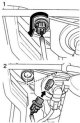
Fig. 1.170. Front turn signal lamp replacement diagram Replacing the front turn signal lamps is shown in Fig. 1.170.
Fig. 1.170. Front turn signal lamp replacement diagram Replacing the front turn signal lamps is shown in Fig. 1.170.
Replacing the side turn signal lamps
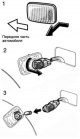
Fig. 1.171. Side direction indicator lamp replacement diagram Replacing the side turn signal lamps is shown in Fig. 1.171.
Fig. 1.171. Side direction indicator lamp replacement diagram Replacing the side turn signal lamps is shown in Fig. 1.171.
Replacing the rear light bulbs
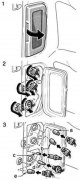
a: rear turn signal light; b: brake light/tail light; c: rear light; d: reversing light; e: rear fog light. Fig. 1.172. Diagram of replacement of lamps of rear direction indicators, brake lights/tail lights, rear...
a: rear turn signal light; b: brake light/tail light; c: rear light; d: reversing light; e: rear fog light. Fig. 1.172. Diagram of replacement of lamps of rear direction indicators, brake lights/tail lights, rear...

Fuses — location and ratings
Fig. 1.173. Location of fuses Fuses (Type A): 1. HEADLH LWR 15 A: left headlight (low beam); 2. HEAD RH LWR 15 A: right headlight (low beam), headlight level controller; 3. DRL 5 A: no circuit; 4. ABS N0.4 7.5 A:...
Fig. 1.173. Location of fuses Fuses (Type A): 1. HEADLH LWR 15 A: left headlight (low beam); 2. HEAD RH LWR 15 A: right headlight (low beam), headlight level controller; 3. DRL 5 A: no circuit; 4. ABS N0.4 7.5 A:...
Checking and replacing fuses
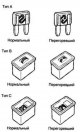
Fig. 1.174. Examples of blown and normal fuses If the headlights or other electrical components do not work, check the fuses. If any fuses are blown, they need to be replaced (fig. 1.174). Turn off the ignition and...
Fig. 1.174. Examples of blown and normal fuses If the headlights or other electrical components do not work, check the fuses. If any fuses are blown, they need to be replaced (fig. 1.174). Turn off the ignition and...
Protection of the body from corrosion
The most common causes of vehicle corrosion are road salt, dirt and moisture that accumulates underneath the vehicle, as well as paint or protective coatings chipped by rocks, gravel, minor chips and dents that leave...
The most common causes of vehicle corrosion are road salt, dirt and moisture that accumulates underneath the vehicle, as well as paint or protective coatings chipped by rocks, gravel, minor chips and dents that leave...
Preventing car body corrosion
You can prevent corrosion. The best way to prevent corrosion is to keep your car clean. It is very important to pay special attention to the underside of your car. If you live in a region (country) where your car is...
You can prevent corrosion. The best way to prevent corrosion is to keep your car clean. It is very important to pay special attention to the underside of your car. If you live in a region (country) where your car is...
Washing and applying wax paste
Washing your car when its surface is heated by the sun's rays is unacceptable. Always wash your car in the shade. Wash your car as often as possible. Dirt is abrasive and can scratch your car if not washed off. Air...
Washing your car when its surface is heated by the sun's rays is unacceptable. Always wash your car in the shade. Wash your car as often as possible. Dirt is abrasive and can scratch your car if not washed off. Air...
Removal stains from paintwork
Do not use gasoline, strong solvents or corrosive cleaning agents. These may damage the paintwork. To remove road tar, use a clean soft cloth dampened with turpentine. Be gentle. To remove insect residue or resin, use...
Do not use gasoline, strong solvents or corrosive cleaning agents. These may damage the paintwork. To remove road tar, use a clean soft cloth dampened with turpentine. Be gentle. To remove insect residue or resin, use...
Polishing and waxing
Before applying polish and wax, be sure to wash and dry your car. Use only high-quality products available on the market and follow the manufacturer's instructions on the packaging. Polish and wax both the paint and the...
Before applying polish and wax, be sure to wash and dry your car. Use only high-quality products available on the market and follow the manufacturer's instructions on the packaging. Polish and wax both the paint and the...
Car bumper care
When caring for your car bumpers, you must take precautions. Be careful not to let battery electrolyte or brake fluid get on the bumpers. If this happens, wash the bumpers immediately with clean water. Be careful when...
When caring for your car bumpers, you must take precautions. Be careful not to let battery electrolyte or brake fluid get on the bumpers. If this happens, wash the bumpers immediately with clean water. Be careful when...
Cleaning the car interior
To clean vinyl upholstery, first remove crumbs and dust with a vacuum cleaner. Then use a solution of neutral detergent in warm water using a clean sponge or soft cloth. If there are still stains on the upholstery,...
To clean vinyl upholstery, first remove crumbs and dust with a vacuum cleaner. Then use a solution of neutral detergent in warm water using a clean sponge or soft cloth. If there are still stains on the upholstery,...
This section is available on: russian, bulgarian, belarusian, ukrainian, serbian, croatian, romanian, polish, slovak, hungarian
Similar sections for other Toyota models
➥ Maintenance Toyota Duet (1998-2004)
➥ Maintenance (diesel) Toyota RAV 4 XA20 (2000-2005)
➥ Maintenance Toyota Corona T190 (1992-1997)
➥ Maintenance Toyota Carina T190 (1992-1996)
➥ Maintenance Toyota Highlander 1 (2000-2007, petrol)
➥ Maintenance Toyota Cruiser 60/80 (1980-1997, petrol)
Link in different formats to this article
TEXTHTMLBB Code
- User manual
- Vehicle description
- Keys, locks and alarms
- Governing bodies
- Salon equipment
- Driving and operation
- Maintenance
- Power unit
- 4-cylinder engine
- Control system (I4)
- Engine overhaul (I4)
- 6-cylinder engine
- Control system (V6)
- Engine overhaul (V6)
- Transmission
- Clutch
- Mechanical gearbox
- Automatic gearbox
- Drive mechanism
- Chassis, running gear
- Wheels and tires
- Car suspension
- Steering
- Brake system
- Body and interior
- Exterior (external elements)
- Doors, locks and windows
- Air conditioning and heater
- Electrical equipment
- Equipment and devices
- Power devices
- Electrical circuits
- General information
- Controls and instruments
- Driving and operation
- Daily care
- Maintenance
- Power unit
- 4-cylinder engine
- 6-cylinder engine
- Engine overhaul
- Engine electrical equipment
- Cooling system
- Heating and ventilation
- Fuel system
- Exhaust system
- Transmission
- Mechanical gearbox
- Automatic gearbox
- Clutch
- Chassis, running gear
- Suspension and axle shafts
- Steering
- Brake system
- Body and interior
- Exterior (external elements)
- Interior (internal elements)
- Doors, locks and windows
- Electrical equipment
- Equipment and devices
- Electrical circuits
- General information
- User manual
- Maintenance
- Power unit
- 4-cylinder engine
- 6-cylinder engine
- Overhaul of engines
- Cooling and heating
- Fuel system
- Engine electrical equipment
- Control system
- Transmission
- Mechanical gearbox
- Automatic gearbox
- Clutch and drive shafts
- Chassis, running gear
- Brake system
- Car suspension
- Steering
- Body and interior
- Exterior (external elements)
- Interior (internal elements)
- Doors, locks and windows
- Electrical equipment
- Equipment and devices
- Headlights and lighting
- Electrical circuits
- General information
- User manual
- Maintenance
- Power unit
- Petrol engines
- Diesel engines
- Engine overhaul
- Cooling and lubrication system
- Fuel system (diesel)
- Fuel injection (petrol)
- Engine electrical equipment
- Transmission
- Clutch and cardan
- Automatic gearbox
- Chassis, running gear
- Front suspension
- Rear suspension
- Steering
- Brake system
- Body and interior
- Body elements
- Air conditioning and heater
- SRS security system
- Electrical equipment
- Equipment and devices
- Electrical circuits