



Share information:
Car front and rear suspension Toyota Camry 3 (XV30)

Front and rear suspension — general information
The suspension is the link between the body and the wheels. Through it, the forces acting on the wheels are transmitted to the body. The elements included in the suspension soften dynamic loads, reduce body vibrations,...
The suspension is the link between the body and the wheels. Through it, the forces acting on the wheels are transmitted to the body. The elements included in the suspension soften dynamic loads, reduce body vibrations,...

Shock absorber — design description
Fig. 4.14. Shock absorber of the Camry car To ensure stability of movement and comfort, shock absorbers (Fig. 4.14) with low-pressure nitrogen (N₂) and a control valve with a linear characteristic are used. In addition,...
Fig. 4.14. Shock absorber of the Camry car To ensure stability of movement and comfort, shock absorbers (Fig. 4.14) with low-pressure nitrogen (N₂) and a control valve with a linear characteristic are used. In addition,...

Rear suspension — design description
Fig. 4.17. Rear suspension of the Camry: 1 – upper support; 2 – cylindrical spring; 3 – shock absorber; 4 – lower arm mount; 5 – spherical bushing The rear suspension (Fig. 4.17) of the car is independent with McPherson...
Fig. 4.17. Rear suspension of the Camry: 1 – upper support; 2 – cylindrical spring; 3 – shock absorber; 4 – lower arm mount; 5 – spherical bushing The rear suspension (Fig. 4.17) of the car is independent with McPherson...
Front Suspension Components
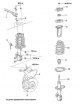
Fig. 4.20. Front suspension shock absorber strut: 1 – front suspension central arm; 2 – washers; 3 – stabilizer strut; 4 – rotation speed sensor (ABS); 5 – brake disc; 6 – upper support of the rack; 7 – Upper support...
Fig. 4.20. Front suspension shock absorber strut: 1 – front suspension central arm; 2 – washers; 3 – stabilizer strut; 4 – rotation speed sensor (ABS); 5 – brake disc; 6 – upper support of the rack; 7 – Upper support...

Checking the front suspension components
Check the strut for fluid leaks, damage to the dust covers and suspension spring. Inspect the shock absorbers for cracks or damage. Check the condition of the spring seats. Check the shock absorber for signs of fluid...
Check the strut for fluid leaks, damage to the dust covers and suspension spring. Inspect the shock absorbers for cracks or damage. Check the condition of the spring seats. Check the shock absorber for signs of fluid...

Removal the front suspension shock absorber
Remove the front wheel. Fig. 4.22. Unscrewing the anti-roll bar strut mounting nut Unscrew the anti-roll bar mounting nut (Fig. 4.22). Caution: If the ball joint axle rotates with the nut, use a hex wrench (6mm) to hold...
Remove the front wheel. Fig. 4.22. Unscrewing the anti-roll bar strut mounting nut Unscrew the anti-roll bar mounting nut (Fig. 4.22). Caution: If the ball joint axle rotates with the nut, use a hex wrench (6mm) to hold...

Checking and installing the front suspension shock absorber
Examination Fig. 4.27. Checking the shock absorber stroke By pulling and pressing the shock absorber rod, check that its movement is smooth and there is no extraneous resistance or noise. If faulty, replace the shock...
Examination Fig. 4.27. Checking the shock absorber stroke By pulling and pressing the shock absorber rod, check that its movement is smooth and there is no extraneous resistance or noise. If faulty, replace the shock...

Removal, checking and installation the lower ball joint
Removal Remove the steering knuckle assembly with the hub. Using a screwdriver, remove the dust cover. Remove the cotter pin and unscrew the nut. Using a special tool, remove the ball joint. Examination Before...
Removal Remove the steering knuckle assembly with the hub. Using a screwdriver, remove the dust cover. Remove the cotter pin and unscrew the nut. Using a special tool, remove the ball joint. Examination Before...

Removal and installation the front suspension anti-roll bar
Remove the front wheels. Fig. 4.33. Anti-roll bar strut mounting nuts Unscrew the 2 mounting nuts and disconnect the left and right anti-roll bar struts from the lower arm (Fig. 4.33). Caution: If the ball joint axle...
Remove the front wheels. Fig. 4.33. Anti-roll bar strut mounting nuts Unscrew the 2 mounting nuts and disconnect the left and right anti-roll bar struts from the lower arm (Fig. 4.33). Caution: If the ball joint axle...
Rear Suspension Components
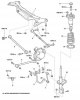
Fig. 4.37. Rear suspension components: 1 – rear suspension beam; 2 – lower arm of rear suspension No.1; 3 – lower arm of rear suspension No.2; 4 – trailing arm of the rear suspension; 5 – parking brake drive cable; 6 –...
Fig. 4.37. Rear suspension components: 1 – rear suspension beam; 2 – lower arm of rear suspension No.1; 3 – lower arm of rear suspension No.2; 4 – trailing arm of the rear suspension; 5 – parking brake drive cable; 6 –...

Removal the rear suspension shock absorber
Remove the rear wheels. Fig. 4.38. Removing the rear seat Remove the rear seat cushion retaining clips. Pull it out and, supporting it from below, remove it (Fig. 4.38). Remove the rear seat back. Remove the rear...
Remove the rear wheels. Fig. 4.38. Removing the rear seat Remove the rear seat cushion retaining clips. Pull it out and, supporting it from below, remove it (Fig. 4.38). Remove the rear seat back. Remove the rear...

Checking and installing the rear suspension shock absorber
Examination Fig. 4.46. Checking the shock absorber stroke By pulling and pressing the shock absorber rod, check that its movement is smooth and there is no extraneous resistance or noise. If faulty, replace the shock...
Examination Fig. 4.46. Checking the shock absorber stroke By pulling and pressing the shock absorber rod, check that its movement is smooth and there is no extraneous resistance or noise. If faulty, replace the shock...
Possible faults of the rear suspension
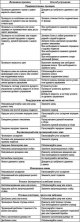
Table 4.7. Possible rear suspension faults, their causes and troubleshooting methods
Table 4.7. Possible rear suspension faults, their causes and troubleshooting methods
This section is available on: russian, bulgarian, belarusian, ukrainian, serbian, croatian, romanian, polish, slovak, hungarian
Similar sections for other Toyota models
➥ Car suspension Toyota Corolla Verso 3 (2004-2009)
➥ Car suspension Toyota Duet (1998-2004)
➥ Car suspension Toyota Cruiser 70 (1985-1996, diesel)
➥ Car suspension Toyota Carina T190 (1992-1996)
➥ Car suspension Toyota 4Runner N120 (1989-1995)
➥ Car suspension Toyota RAV 4 XA10 (1994-2000)
Link in different formats to this article
TEXTHTMLBB Code
- User manual
- Vehicle description
- Keys, locks and alarms
- Governing bodies
- Salon equipment
- Driving and operation
- Maintenance
- Power unit
- 4-cylinder engine
- Control system (I4)
- Engine overhaul (I4)
- 6-cylinder engine
- Control system (V6)
- Engine overhaul (V6)
- Transmission
- Clutch
- Mechanical gearbox
- Automatic gearbox
- Drive mechanism
- Chassis, running gear
- Wheels and tires
- Car suspension
- Steering
- Brake system
- Body and interior
- Exterior (external elements)
- Doors, locks and windows
- Air conditioning and heater
- Electrical equipment
- Equipment and devices
- Power devices
- Electrical circuits
- General information
- Controls and instruments
- Driving and operation
- Daily care
- Maintenance
- Power unit
- 4-cylinder engine
- 6-cylinder engine
- Engine overhaul
- Engine electrical equipment
- Cooling system
- Heating and ventilation
- Fuel system
- Exhaust system
- Transmission
- Mechanical gearbox
- Automatic gearbox
- Clutch
- Chassis, running gear
- Suspension and axle shafts
- Steering
- Brake system
- Body and interior
- Exterior (external elements)
- Interior (internal elements)
- Doors, locks and windows
- Electrical equipment
- Equipment and devices
- Electrical circuits
- General information
- User manual
- Maintenance
- Power unit
- 4-cylinder engine
- 6-cylinder engine
- Overhaul of engines
- Cooling and heating
- Fuel system
- Engine electrical equipment
- Control system
- Transmission
- Mechanical gearbox
- Automatic gearbox
- Clutch and drive shafts
- Chassis, running gear
- Brake system
- Car suspension
- Steering
- Body and interior
- Exterior (external elements)
- Interior (internal elements)
- Doors, locks and windows
- Electrical equipment
- Equipment and devices
- Headlights and lighting
- Electrical circuits
- General information
- User manual
- Maintenance
- Power unit
- Petrol engines
- Diesel engines
- Engine overhaul
- Cooling and lubrication system
- Fuel system (diesel)
- Fuel injection (petrol)
- Engine electrical equipment
- Transmission
- Clutch and cardan
- Automatic gearbox
- Chassis, running gear
- Front suspension
- Rear suspension
- Steering
- Brake system
- Body and interior
- Body elements
- Air conditioning and heater
- SRS security system
- Electrical equipment
- Equipment and devices
- Electrical circuits