



Examination
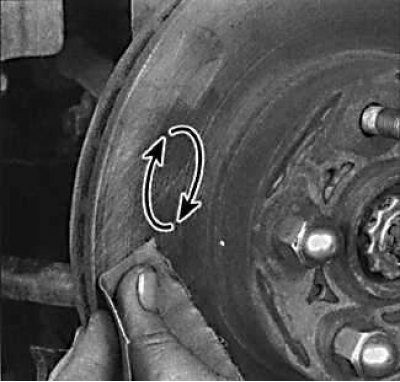
Cleaning the working surface of the brake disc with fine sandpaper
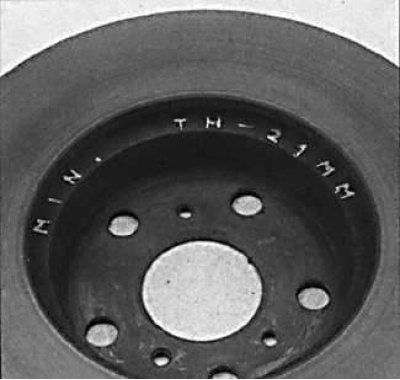
The minimum thickness of the brake disc is stamped on the inner surface of the brake disc.
Measuring the thickness of the brake disc
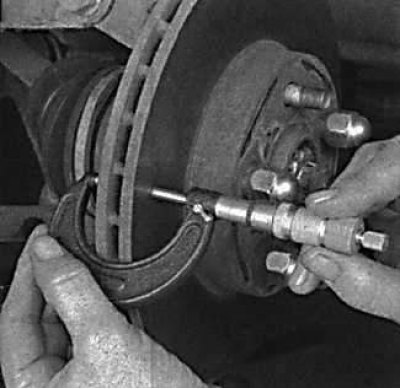
1. Raise the front or rear of the car and secure it on stands. Remove the corresponding wheel.
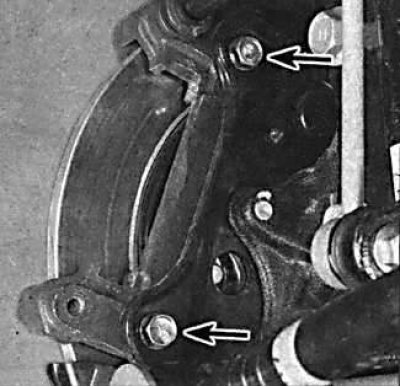
2. Remove the caliper and tie it to the strut using soft wire without disconnecting the brake hose. Place 10mm washers under the wheel nuts and screw on the wheel nuts. Unscrew the two bolts and remove the caliper bracket.
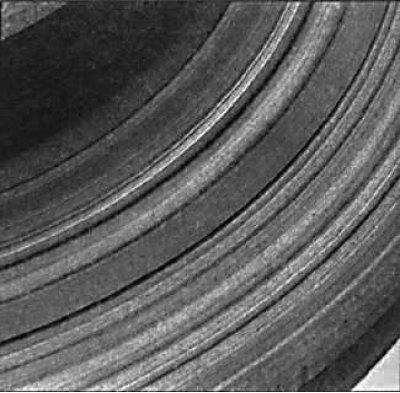
3. Slowly rotate the brake disc so that it can be viewed from both sides. The wear of the brake disc from the pads should be within the permissible limits. If the wear exceeds the permissible limit, or there are cracks on the disc, the disc must be replaced.
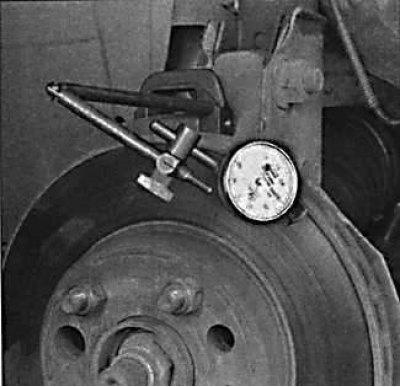
4. Use a dial indicator to check the runout of the brake disc. Attach the dial indicator to any convenient location and, by rotating the disc, determine its runout at a distance of 10 mm from the outer edge.
Removal
1. Unscrew the wheel mounting nuts with thick washers that were installed when checking the disc runout. Remove the brake disc. The rear wheel brake disc may not be easily removed from the hub due to corrosion of the hub or because it is held in place by the brake pads. In the first case, tap the perimeter of the disc with a plastic hammer or wooden mallet to remove the brake disc from the hub.
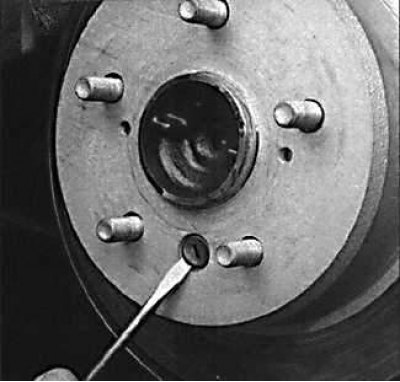 | 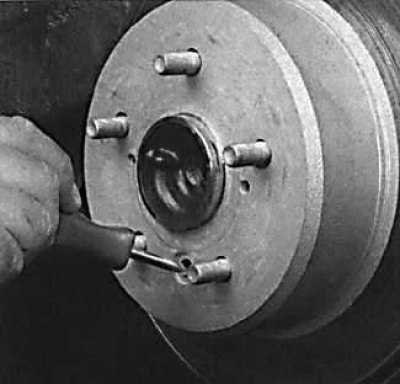 |
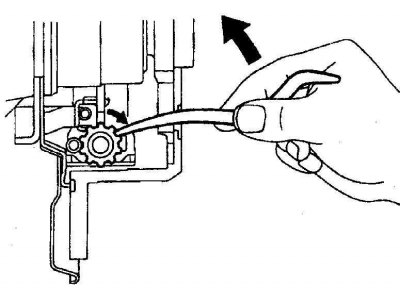
2. In the second case, remove the plug from the inspection hole of the brake disc and, by rotating the wheel of the adjusting bar, move the brake pads away from the brake disc, and the brake disc should be easily removed.
Installation
1. Install the brake disc onto the wheel studs.
2. Install the caliper bracket onto the steering knuckle and secure with bolts. Install the caliper.
3. Install the wheel and lower the car. Press the brake pedal several times to press the brake pads against the brake disc.