Contents: Precautions when working with oils ↓ Checking the engine oil level ↓ Selecting motor oil ↓ Engine oil change ↓ Replacing the oil filter ↓
Precautions when working with oils
1. Long-term and repeated contact with motor oil removes the natural oil layer from the skin, causing dryness, irritation and dermatitis. In addition, the motor oils used contain potentially dangerous components that can cause skin cancer.
2. After working with oil, wash your hands thoroughly with soap or other cleaning agent.
3. Do not use gasoline, kerosene, diesel fuel or solvent to clean the skin.
Checking the engine oil level
1. Place the car on a flat horizontal surface. After turning off the engine, wait a few minutes for the oil to drain into the crankcase.
2. Remove the dipstick and wipe it with a rag.
3. Reinstall the dipstick until it stops.
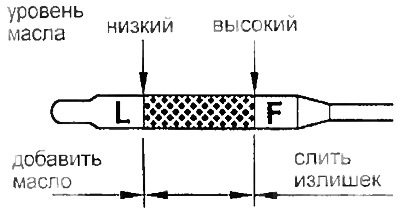
4. Remove the dipstick and assess the oil level in the engine crankcase
If the oil level is below or slightly above the low mark on the dipstick, add the same type of engine oil that was put into the engine.
5. Add oil if necessary.
- a) Remove the oil filler cap.
- b) Add the required amount of engine oil. The approximate amount of oil required to fill the volume between the low and high level marks on the dipstick is 1.0 liter.
Note.
- Avoid overfilling the oil, otherwise the engine may be damaged.
- After adding oil, always check the oil level on the dipstick.
- c) Install the oil filler cap.
Selecting motor oil
1. Use oil according to API classification (for petrol engines -SH, SJ), (for diesel engines -CE, CF).
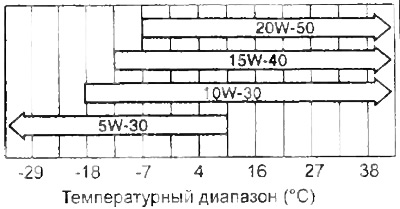
2. Select viscosity (SAE) according to the temperature range diagram corresponding to the vehicle operating conditions until the next oil change.
Engine oil change
1. Place the vehicle on a flat, horizontal surface.
2. Warm up the engine for a few minutes until it reaches normal operating temperature, then turn off the engine.
3. Remove the engine oil filler cap.
4. Unscrew the drain plug on the oil pan and drain the oil into a suitable container.
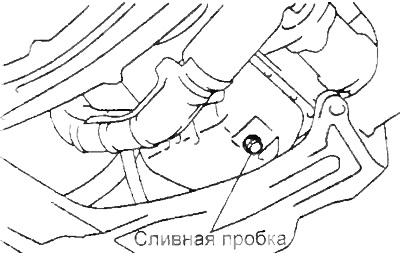
3S-FE, 4S-FE
5. Install a new gasket and tighten the drain plug.
- Tightening torque - 37 Nm
6. Fill the engine with new oil.
Note: For the type and recommended viscosity of oil, see the "Choosing Engine Oil" subsection.
Filling capacity:
3S-FE, 4S-FE:
with filter replacement - 3.9 l
dry engine:
- without oil cooler - 4.3 l
- with oil cooler - 4.4 l
ZS-T:
- with filter replacement - 5.1 l
- dry engine - 5.8 l
7. Replace the oil filler cap.
8. Check the oil level and make sure there are no leaks.
9. Check the oil level and ensure there are no leaks with the engine running.
Replacing the oil filter
Note: When operating in severe conditions, replace every 5000 km (or 6 months.).
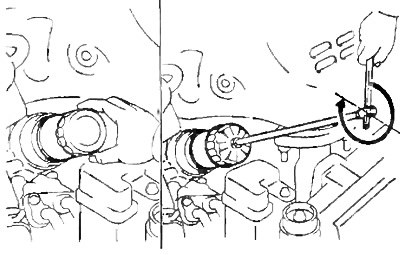
1. Using a special key, loosen the oil filter fastening (rotate counterclockwise).
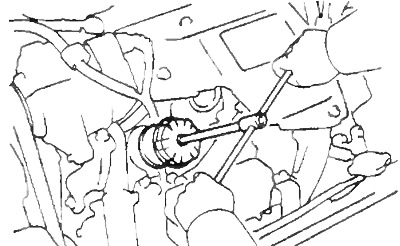
2. Unscrew the filter by hand and remove it, holding it with the working side up to avoid spilling oil.
3. Clean the mating surface on the cylinder block. Make sure there are no remains of the old filter gasket.
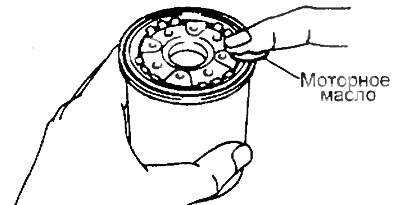
4. Apply a small amount of engine oil to the gasket of the new filter.
5. Using your hand, screw the filter onto the seat until the gasket contacts the mating surface of the cylinder block.
6. Using a special key, tighten the filter an additional 3/4 turn.