



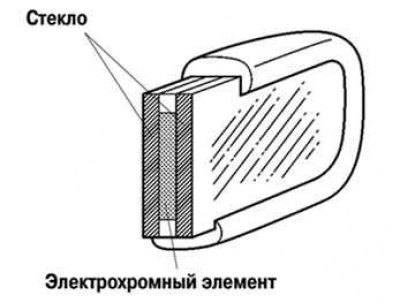
Fig. 1.13. Cross-section of the outside rearview mirror
An electrochromic mirror element consists of two layers of glass with an electrochromic filler between them. The electrochromic element changes color due to electrochemical oxidation. These features are used to electronically change the reflectivity of the mirror (Fig. 1.13).
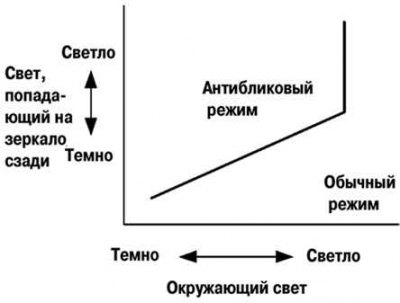
Fig. 1.14. Scheme of change of reflection coefficient of internal and external rear-view mirrors
The electrochromic mirror system provides two control modes, AUTO and DAY, which can be selected by the mode selector switch. In AUTO mode, the system changes (Fig. 1.14) the reflectivity of the interior and exterior rear-view mirrors in accordance with the difference in intensity of the ambient light and the light hitting the mirrors from behind.
When the mode selector switch is set to DAY, the reflectivity of the inside and outside rearview mirrors is set to provide maximum reflection regardless of the intensity of ambient light or light entering the mirrors from behind. When AUTO is selected, the system is activated only when the ignition switch is in the ON position.
During daytime, the interior and exterior rearview mirrors remain in DAY mode. The automatic antiglare system detects ambient light via sensor number 1 and light entering the mirrors from behind via sensor number 2 and determines the time of day (day or night) by the intensity of the surrounding light. At the same time, the intensity of the light falling on the rear mirrors is determined by the difference in intensity of the surrounding light and the light falling on the rear mirror. When the automatic antiglare circuit detects increased brightness of the light falling from behind, the control circuit of the electrochromic element supplies voltage to the inside and outside rear view mirrors to change their reflectivity.
According to the intensity of light hitting the rear view mirror, the reflection coefficient of the interior and exterior rear view mirrors changes continuously.