



Hang the caliper without disassembling it and secure it securely with wire. Check that the brake hose is not stretched.
Release the parking brake lever (or pedal) and remove the rear brake disc.
Disassembly
Note: If the brake disc is difficult to remove, turn the adjusting gear until the brake disc rotates easily (Fig. 6.62).
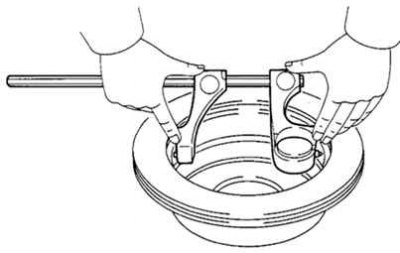
Fig. 6.63. Measuring the inner diameter of the brake drum
Measure the inner diameter of the brake drum (Fig. 6.63).
If the drum has scratches, mechanical damage or increased wear, it can be bored to the maximum permissible internal diameter
- Standard diameter: 170 mm
- Maximum allowable: 171 mm
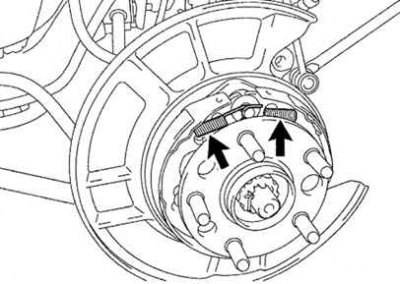
Fig. 6.64. Releasing the tension springs
Release the parking brake shoe tension springs (Fig. 6.64).
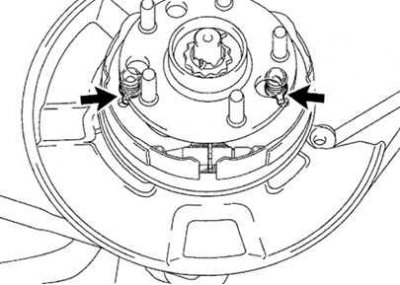
Fig. 6.65. Removing the adjusting screws of the parking brake shoes
Remove the parking brake shoe adjusting screws (fig. 6.65.)
Remove the spacer plate together with the spring.
Remove the retainer spring, spring seats and retainer.
Disconnect the return spring and remove the front shoe.
Pull back the rear shoe.
Remove the return spring from the rear shoe.
Remove the retainer spring, spring seats and retainer.
Disconnect the parking brake cable from the parking brake lever.
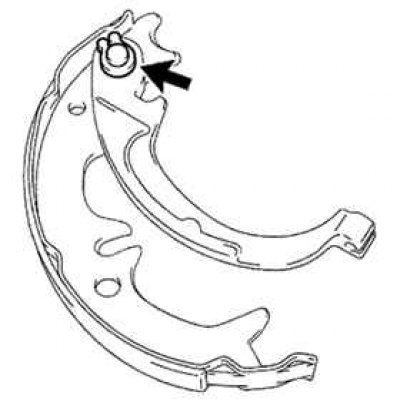
Fig. 6.66. Removing the parking brake lever
Remove the lock washer and parking brake lever (Fig. 6.66).
Examination
Inspect removed parts for wear, rust or damage.
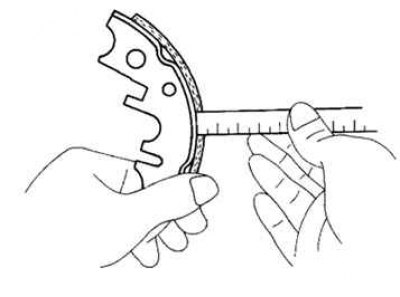
Fig. 6.67. Measuring the thickness of brake shoe linings
Measure the thickness of the brake shoe linings (Fig. 6.67).
- Standard thickness: 2.0 mm
- Minimum allowable: 1.0 mm
If the lining thickness is less than the minimum or the linings are unevenly worn, replace the brake pads.
Note: If at least one brake pad requires replacement, the entire set must be replaced.
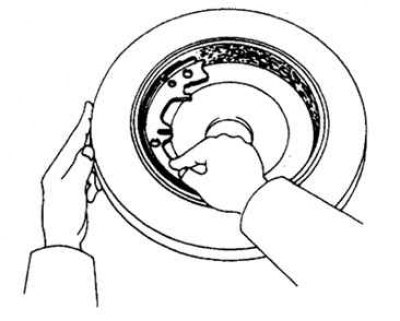
Fig. 6.68. Checking the tightness of the brake shoes to the brake drum
Check the tightness of the brake shoe lining to the drum (Fig. 6.68).
If the contact between the working surfaces is poor, either grind the linings or replace the brake pads.
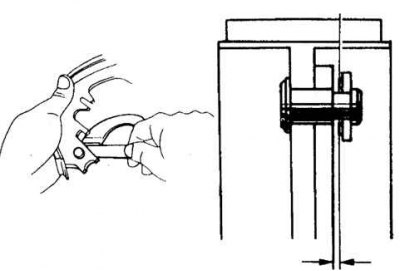
Fig. 6.69. Measuring the gap between the brake shoe and the parking brake lever
Using a feeler gauge, measure the gap between the brake shoe and the parking brake lever (Fig. 6.69).
Maximum allowable gap: 0.35 mm.
If the gap does not meet the specifications, select an adjusting washer of the required thickness, using the data in the table.
Assembly
Assemble in the reverse order of disassembly.
Apply high temperature grease to the parts indicated by the arrow in the assembly drawing.
Adjust the parking brake shoe clearance.
Temporarily install the wheel nuts and remove the cap.
[The original publication can be found on the website: www.ToyotaMan.ru]
Turn the adjuster to move the pads apart until they lock the disc.
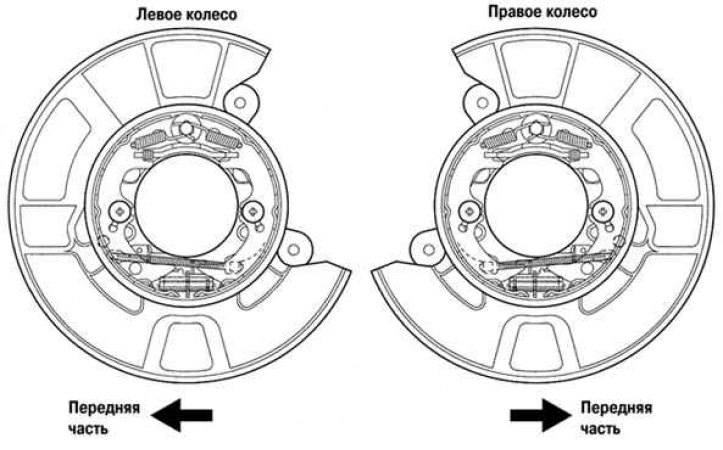
Fig. 6.70. Checking the correct installation of brake discs
Check that all components are installed correctly (Fig. 6.70).
With the vehicle moving at low speed on a dry, clean and level road, pull the parking brake lever until the shoes are pressed against the drum. Make sure the shoes are bedded in.
Check and adjust the travel of the parking brake lever.